

In Central Europe, a coffee break can easily turn into an afternoon. You might arrive at a grand café intending to order a quick espresso, only to find yourself lingering over a slice of cake, watching waiters weave between marble tables and listening to conversations that seem to have no particular urgency. In Vienna, Budapest and Prague, coffeehouses are part of the urban landscape, but they are also connected to the region’s literary, political and social history. Each city has developed its own interpretation of the tradition. Vienna is known for its formal service and elegant interiors, Budapest for its lavish historic cafés and literary associations, while Prague combines old-fashioned coffeehouse grandeur with a lively contemporary café scene. Understanding these differences makes exploring the region more interesting, especially if you enjoy travelling through places at a slower pace.
More Than Somewhere to Order a Coffee
Central Europe’s traditional coffeehouses grew into important social institutions during the 18th and 19th centuries. They provided somewhere to read newspapers, meet friends, discuss politics, conduct business or spend several hours working away from home. For writers and journalists, they were particularly useful, offering a public space where ideas could be exchanged and creative work could take shape. Their popularity was partly connected to the changing character of European cities. As urban populations grew, cafés became accessible meeting places for people from different professions and backgrounds. They were not simply restaurants serving hot drinks, but extensions of public life, with their own routines and familiar customers. The Prague to Vienna train is one way to connect the historic café cities which, spread across the former Habsburg lands, share certain architectural and cultural characteristics despite having distinct identities.
Vienna: The Art of Staying a Little Longer
Vienna is perhaps the city most closely associated with the classic Central European coffeehouse. Its traditional establishments are recognisable for their marble-topped tables, bentwood chairs, newspaper stands, upholstered booths and spacious interiors. Service is generally unhurried, and ordering a coffee does not mean you are expected to leave as soon as you finish it. The idea is to settle in, read, talk or simply enjoy the atmosphere. The train from Vienna to Budapest makes it easy to continue exploring the region’s café traditions, but Vienna deserves more than a quick stop before moving on. Try ordering a Wiener Melange, a local favourite combining espresso-style coffee with steamed milk and milk foam. An Einspänner, served in a glass and topped with whipped cream, is another classic choice. Traditional cafés often serve coffee with a small glass of water, presented on a tray, and the pastry selection can be just as tempting as the drinks. The city’s coffeehouse history is closely linked to its writers, artists and intellectuals. Around the turn of the 20th century, cafés became regular meeting places for literary circles, including the group known as Jung Wien. Some establishments still trade on these connections, while others preserve the atmosphere through their interiors and traditional service. The culture was added to Austria’s national inventory of intangible cultural heritage in 2011, recognising its importance beyond the act of drinking coffee.
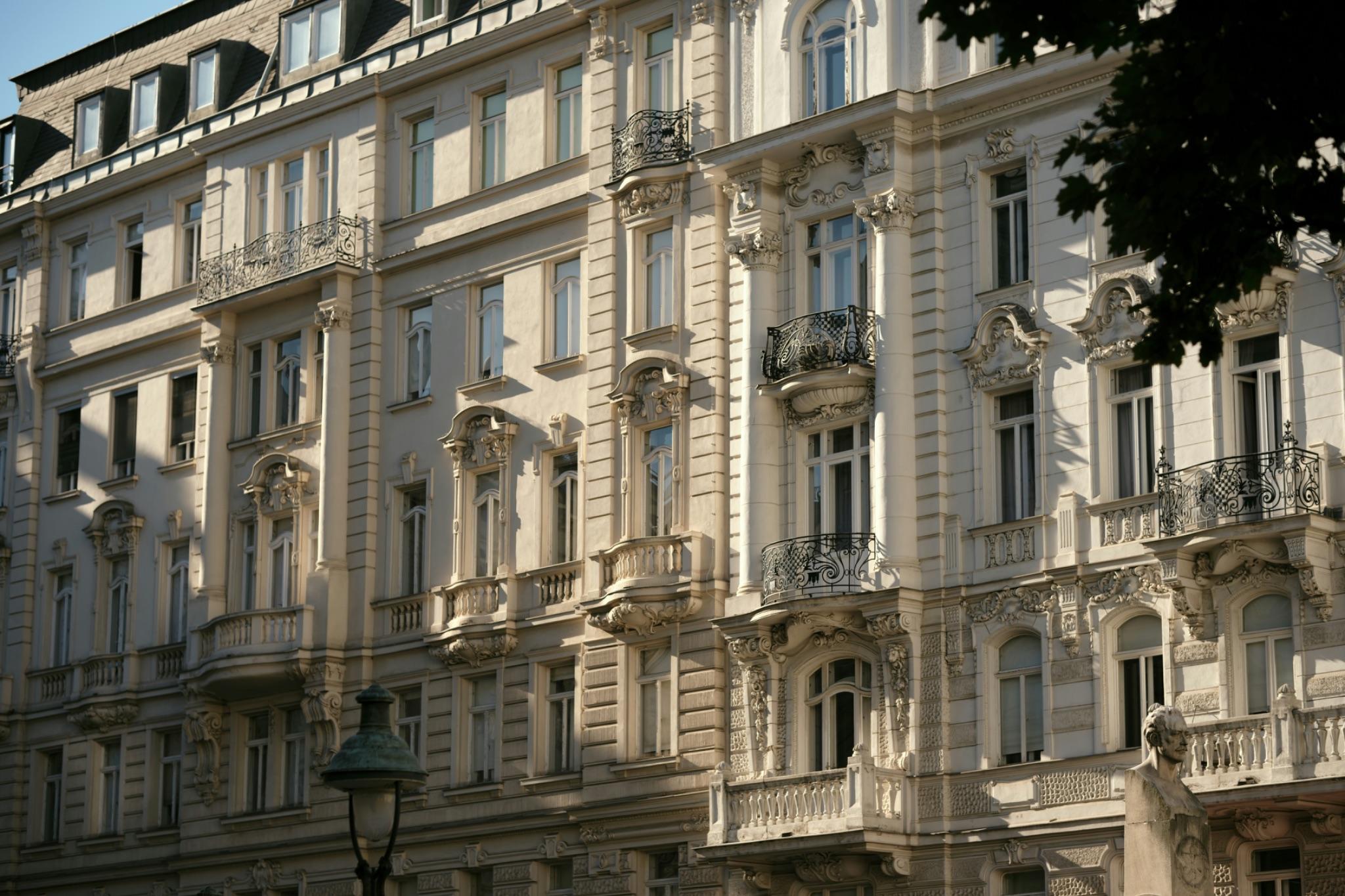
Budapest: Grand Interiors and Literary Conversations
Budapest developed a coffeehouse culture of its own during the 19th century, reaching its height around the turn of the 20th century. At one point, the city had hundreds of cafés, many serving as meeting places for journalists, writers, artists and political thinkers. They were particularly important to the development of Hungarian literature and public debate, with newspapers and literary publications often closely connected to particular establishments. Most famous coffeehouses in Budapest often feature chandeliers, elaborate ceilings, ornate mirrors and richly decorated interiors. New York Café is the best-known example, while Centrál Café has strong literary associations and Gerbeaud is particularly celebrated for its pastries and confectionery. Expect a more theatrical setting than in many everyday cafés, especially in the grand establishments around the city centre. Hungarian coffeehouse culture also has a strong relationship with cakes. Order a coffee alongside dobos torta, a layered sponge cake with chocolate buttercream and a caramel topping, or try a slice of zserbó, made with layers of pastry, walnuts, apricot jam and chocolate. These sweet treats are part of the experience rather than an afterthought. For a less formal atmosphere, explore the smaller cafés around Bartók Béla út and the inner-city neighbourhoods, where independent coffee shops have brought a contemporary style to the old tradition.
Prague: Bohemian Cafés with a Viennese Influence
Prague’s coffeehouses reflect the city’s complicated cultural history. The Czech lands spent centuries within the Habsburg monarchy, and Viennese influences can still be seen in the architecture and atmosphere of several historic establishments. Kavárna Slavia and Café Louvre are two well-known examples, both associated with generations of writers, artists and intellectuals. They offer a glimpse of the period when cafés were important places for discussion, reading and creative work. There is a particularly appealing contrast between these grand interiors and Prague’s modern coffee scene. Around the city, smaller independent cafés serve carefully prepared espresso, filter coffee and seasonal drinks, often in minimalist spaces that feel quite different from the traditional establishments. You can spend the morning in a historic café overlooking the Vltava and later stop at a contemporary coffee bar in Vinohrady or Karlín. The two experiences complement each other rather than compete. Prague is also a good city for pairing coffee with something sweet. Traditional pastries and cakes are easy to find, while modern bakeries have introduced their own interpretations of familiar Central European favourites. Try a koláč, a round pastry filled with fruit, poppy seeds or sweet cheese, or look for local versions of strudel and other baked desserts.
How to Enjoy a Traditional Coffeehouse
The most important thing to understand is that a traditional coffeehouse is not designed around quick turnover. You can order one drink, read the newspaper, chat with a companion or sit quietly for a while. There is usually no need to rush, although it is polite to order something if you plan to occupy a table for an extended period. In particularly popular cafés, staff may direct you to a table, so follow their lead rather than choosing a seat immediately. It is also worth remembering that historic coffeehouses can be more expensive than neighbourhood cafés, especially in Budapest’s best-known venues. Pay attention to menus before ordering, and consider visiting during quieter hours if you want to appreciate the interiors without the busiest crowds. If the atmosphere matters more than a famous address, a smaller local establishment can be just as rewarding.
A Coffee Break Worth Building into Your Trip
Vienna, Budapest and Prague demonstrate why coffeehouse culture has remained such an important part of Central European life. Each city has its own traditions, from Vienna’s unhurried service to Budapest’s grand literary cafés and Prague’s blend of historic elegance and modern coffee-making. Rather than treating cafés as convenient stops between attractions, make time to experience them properly. Order a local speciality, try a regional cake and enjoy the surroundings without watching the clock. It is a simple way to understand the character of these cities, and perhaps one of the most enjoyable parts of travelling through Central Europe.