
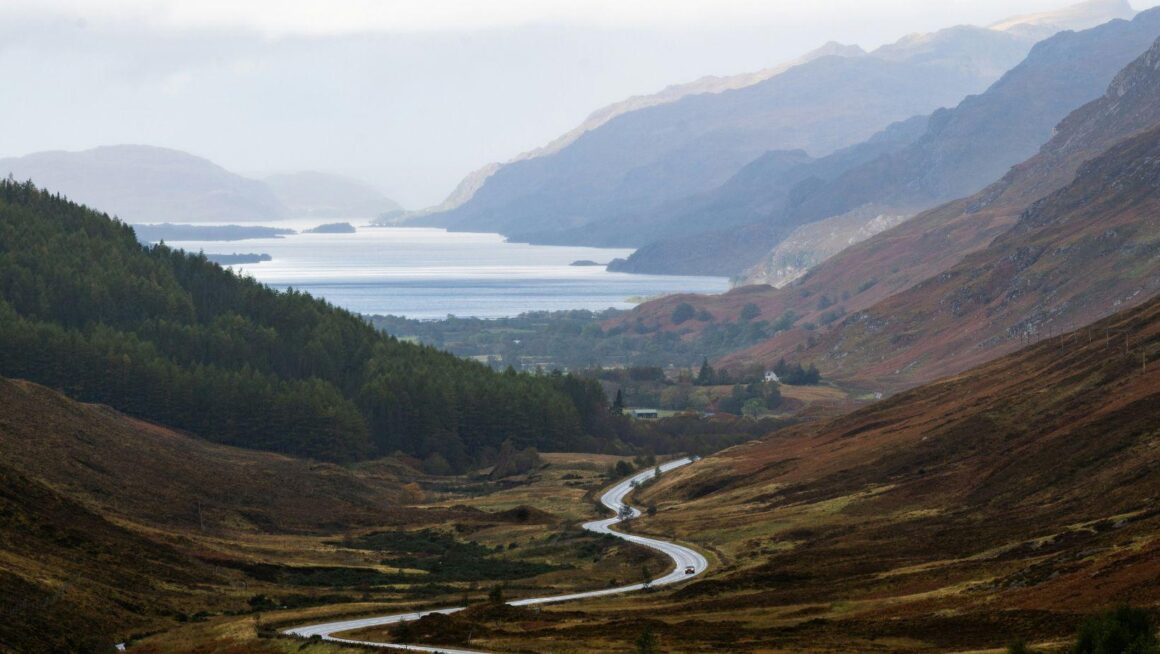
A road trip through Scotland and Ireland can be spectacular in almost any weather. Rain brings out the deep greens of the countryside, gives old stone castles an atmospheric edge and sends waterfalls tumbling down hillsides. It can also arrive just as you reach a coastal viewpoint, soak through unsuitable shoes or turn a pleasant walk into an uncomfortable slog. Packing well makes all the difference. The trick is to prepare for changing conditions without filling the boot with unnecessary luggage. You might set off from a sunny town, encounter wind and showers along the coast, then find yourself enjoying a surprisingly warm afternoon inland. A practical wardrobe built around waterproof layers, comfortable footwear and a few clever extras will serve you far better than a suitcase full of outfits.
Start with a Proper Waterproof System
A lightweight showerproof jacket is not quite enough for a trip around the Celtic countries. If you plan to explore the Scottish Highlands, walk along Ireland’s Atlantic coast or spend time outside at castles and historic sites, choose a genuinely waterproof jacket with sealed seams and a well-fitting hood. Breathability matters too, since a jacket that keeps rain out but traps perspiration can become uncomfortable during longer walks. Waterproof trousers are worth packing if hiking, rural walks or exposed coastal routes feature prominently in your plans. They are less essential for a city-focused itinerary, but can be a welcome addition when paths are muddy and showers persistent. A compact waterproof cover for your daypack will protect your camera, phone, snacks and spare clothing when the weather changes unexpectedly. An umbrella can be useful in towns, although strong coastal winds often make a hooded jacket the more reliable option. Layering is just as important as waterproofing. Pack a few breathable base layers, a fleece or wool jumper and a warmer outer layer for chilly mornings and evenings. This combination allows you to adjust throughout the day without carrying several bulky coats. Scotland’s outdoor safety advice also recommends warm layers and waterproof clothing, particularly when exploring hills and coastal areas. If you are joining tours to Scotland, think about the difference between sightseeing in cities and spending time in remote landscapes. For Ireland, the same approach works well on coastal drives and countryside excursions.
Build a Wardrobe Around the Route
Your clothing choices should reflect the places you intend to visit, not just the number of days away. A week spent exploring Edinburgh, Glasgow, Dublin and Galway calls for comfortable everyday outfits with a few smarter options for restaurants and evenings out. A longer drive through the Highlands, the Isle of Skye, Connemara or County Kerry requires more practical clothing, especially if you plan to stop for walks whenever the scenery catches your eye. Pack comfortable walking trousers, several pairs of quick-drying socks and a warm hat if your itinerary includes exposed viewpoints or mountain areas.Those planning Ireland tours should also bring a light jumper or fleece that can be worn beneath a waterproof shell, even during the warmer months. Avoid packing a separate outfit for every day. Choose a small collection of colours that work together, then bring clothes that can be worn in different combinations. Darker trousers are practical when paths are muddy, while quick-drying fabrics are more useful than heavy cotton if you get caught in a shower. One or two casual outfits for dinner will usually be enough, unless your itinerary includes a special occasion.
Footwear That Can Handle Mud, Rain and Long Walks
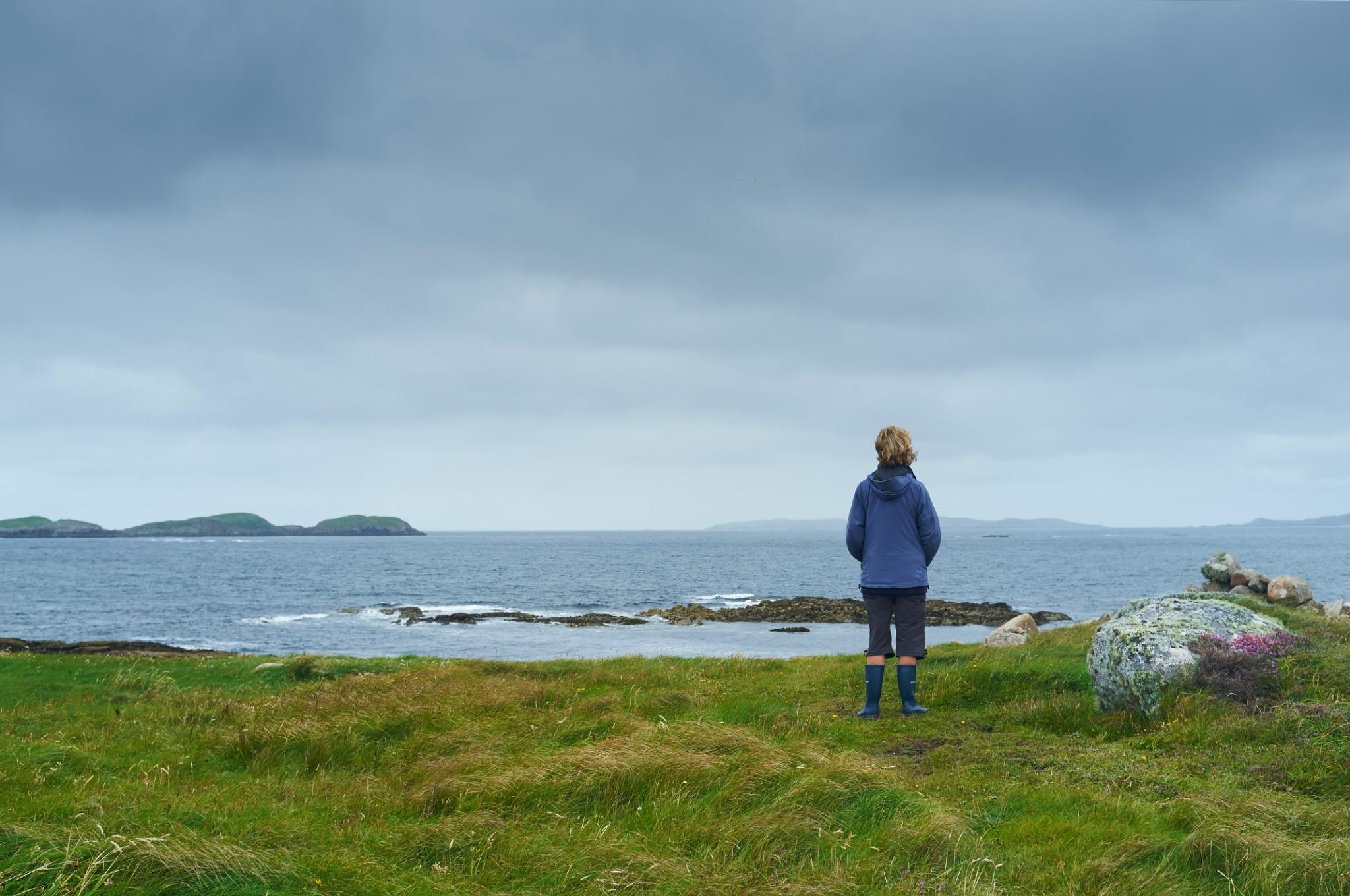
Shoes can make or break a rainy road trip. Wet feet become uncomfortable quickly, especially when you still have several hours of driving or sightseeing ahead. A pair of waterproof walking shoes or lightweight hiking boots with good grip should be your main choice for outdoor activities. Make sure they are already broken in before departure, as a holiday is a poor time to discover that new footwear causes blisters. Pack a second pair of comfortable shoes for towns, museums and evenings. Trainers can work well for everyday exploring, provided they are comfortable and you have somewhere to dry them if they get wet. Bring enough socks to change during the day, preferably in wool or synthetic fabrics that manage moisture better than ordinary cotton. A small waterproof bag is useful for separating damp footwear from clean clothes in the boot. Don’t overlook indoor comfort, either. A pair of lightweight slippers or comfortable socks can be welcome after a long day outdoors, particularly in rural accommodation where you may want to relax without wearing your walking shoes.
Keep a Dry Change of Clothes Within Reach
One of the most useful habits on a rainy road trip is keeping a spare set of clothing somewhere accessible. Rather than burying everything in your main suitcase, put a dry top, socks and underwear in a small packing cube or waterproof bag. If you get soaked during a walk around a castle or along a windswept beach, you can change before continuing to your next stop. A microfibre towel is another worthwhile addition. It takes up little space, dries relatively quickly and can be used after unexpected downpours, muddy walks or visits to beaches. Pack a few reusable bags for wet jackets, muddy trousers and anything that needs to stay separate from the rest of your luggage. A small travel laundry bag will also keep worn clothes organised between accommodation stops.
Road Trip Essentials You Shouldn’t Leave Behind
Clothing is only part of the preparation. A rainy Celtic road trip involves plenty of time in the car, so a few practical items can make long drives more comfortable. Keep a reusable water bottle, snacks, tissues, hand sanitiser and a small first-aid kit within easy reach. A power bank is useful for keeping your phone charged, especially if you rely on it for navigation, accommodation details and photographs. A phone holder, charging cable and offline maps are particularly helpful when driving through rural areas where mobile reception may be unreliable. If you are renting a car, check what equipment is already included rather than assuming everything will be provided. Keep your driving licence, booking details, insurance information and identification somewhere secure but accessible. Remember that Scotland and Northern Ireland use pounds sterling, while the Republic of Ireland uses euros, so check your payment arrangements if crossing the border. Prepare a small emergency kit for the vehicle as well. A torch, blanket, spare warm layer, water and a few non-perishable snacks are sensible additions. Before setting off in poor weather, check forecasts and road conditions, allow extra time and make sure the vehicle’s tyres, lights, brakes and windscreen wipers are in good condition. Transport Scotland recommends carrying emergency supplies and planning alternative routes when bad weather could disrupt a journey.
Don’t Forget the Small Comforts
A few inexpensive extras can make wet-weather sightseeing much more pleasant. Sunglasses and sunscreen might seem unnecessary when rain is in the forecast, but both countries can have bright spells between showers. Lip balm and moisturiser are useful when wind and cold weather leave your skin feeling dry, while insect repellent is worth considering if you are travelling through Scotland during midge season. Pack a compact daypack for daily excursions, ideally with a waterproof cover or water-resistant fabric. Keep your camera or phone protected inside it, and bring a small notebook if you enjoy recording places, restaurant recommendations and scenic stops. A reusable coffee cup or insulated flask can also be handy when you want a hot drink during a long drive or a break beside a viewpoint. Finally, remember that accommodation may have limited drying facilities. Check whether your hotels, guesthouses or holiday cottages provide laundry facilities, particularly if you are travelling for more than a week. Being able to wash and dry a few essentials means you can pack less and avoid carrying several days’ worth of damp clothing.
Pack for the Weather, Not the Forecast
A rainy road trip through Scotland and Ireland does not require specialist expedition equipment, but it does reward sensible preparation. A reliable waterproof jacket, comfortable walking shoes, warm layers and a dry change of clothes will cover most situations. Add a few vehicle essentials, keep your daily belongings organised and leave enough room for the occasional item picked up along the way. Most importantly, don’t let the forecast dictate the entire holiday. Some of the best Celtic landscapes look particularly atmospheric beneath low clouds, and a shower can be a good excuse to stop at a cosy pub, visit a small museum or linger over lunch. With the right things in your bag, you can enjoy the journey instead of worrying about getting wet.