
Japan is remarkably easy to explore once you understand a few everyday habits, but some of the most useful travel advice rarely makes it onto a standard sightseeing itinerary. Knowing which side of the train door to stand near, where to find a luggage delivery counter or why a small neighbourhood restaurant might only accept cash can save time and prevent unnecessary frustration. These details are rarely headline attractions, yet they can make a first visit feel considerably smoother. Beyond the famous temples, neon-lit streets and high-speed railways, Japan rewards travellers who pay attention to how daily life works. A little preparation helps you navigate transport, eat well, respect local customs and avoid some of the practical mistakes that catch visitors out.
Make the Most of the Shinkansen Without Overplanning
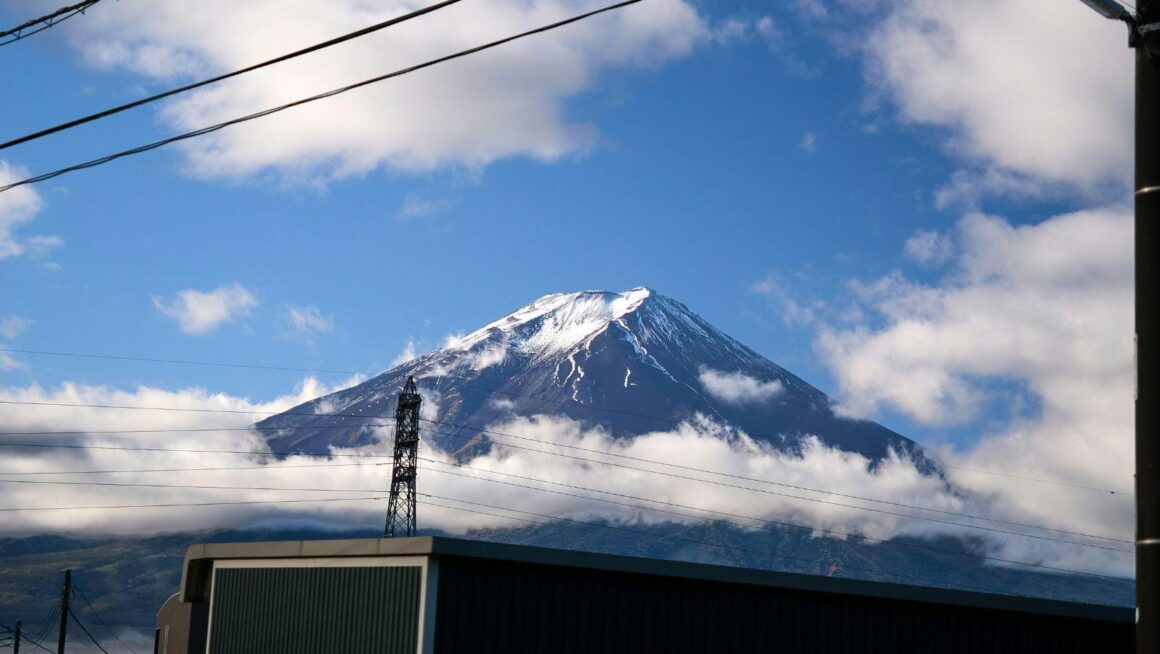
The bullet train is one of Japan’s great travel experiences, but not every journey needs to be treated as a race between cities. The Tokyo to Kyoto train connection is particularly convenient, with the fastest Tokaido Shinkansen services completing the journey in roughly two hours and fifteen minutes. If you have a reserved seat, check your carriage and seat number before boarding, then use the platform markings to find the correct queue. The trains are punctual, so arriving a little early is much less stressful than trying to find your place at the last minute. A small detail that many first-time visitors overlook is that the scenery can be part of the journey. On a clear day, you may catch a view of Mount Fuji from the right side of the train when travelling from Tokyo towards Kyoto. The view is never guaranteed, of course, but sitting by the window makes the journey more enjoyable. Keep food and drinks tidy, take rubbish with you if there is no convenient bin and avoid loud phone conversations.
Don’t Assume Every Train Journey Works the Same Way
Japan’s railway network is extensive, but it is not operated by a single company. Different services may use separate stations, ticket gates and platforms, even when they appear to serve similar routes. In Kyoto, for example, JR, Hankyu, Keihan and Kintetsu trains connect different parts of the city and surrounding region. Before boarding, check the operator, destination and train type rather than relying on the station name alone. An express service may skip stops that a local train serves, which can make a difference if you are heading to a smaller neighbourhood. The Kyoto to Osaka train journey is a good example of why checking the details matters. Several railway companies connect the two cities, but they serve different stations and neighbourhoods. JR trains run between Kyoto Station and Osaka Station, while Hankyu services connect central Kyoto with Osaka-Umeda. Keihan trains are useful for areas around eastern Kyoto and Osaka’s Yodoyabashi district. Choose the service according to where you are actually staying or planning to visit, rather than automatically selecting the fastest-looking option. Another useful habit is to check the last train before heading out for dinner or an evening of sightseeing. Services are generally reliable, but late-night transport is not unlimited. If you are staying outside the centre, knowing your final connection can prevent an expensive taxi journey or an unplanned change of accommodation.
Get an IC Card Before You Start Exploring
One of the simplest ways to make travelling around Japanese cities easier is to get a rechargeable IC transport card. Suica, PASMO and ICOCA are among the familiar options, and compatible cards can be used across many train, subway and bus networks. Instead of buying an individual ticket for every journey, you simply tap at the gate or card reader. Many convenience stores, vending machines and other shops also accept these cards, making them useful beyond public transport. There is one detail worth remembering: not every rural railway, bus service or transport operator accepts every card. Check the local arrangements when travelling beyond major cities, and keep some cash available for places where electronic payment is not supported. You should also check whether a physical tourist card or a mobile version is more convenient for your phone and itinerary.
Treat Luggage as Part of Your Travel Plan
Dragging a large suitcase through busy stations is one of the easiest ways to make a Japanese city break harder than it needs to be. Some stations have long corridors, multiple exits and staircases, while crowded trains leave limited room for bulky bags. Travelling with a manageable suitcase is helpful, but you do not have to carry everything yourself. Japan has a well-established luggage forwarding service, commonly called takuhaibin. You can arrange for a suitcase to be sent from one hotel to another, or from an airport to your accommodation. Many hotels can help organise the service, and delivery counters are available at major airports. It is particularly useful when moving between cities, as you can travel with a small overnight bag and collect your main luggage later. Check delivery times and arrange the service in advance, especially if you need your suitcase on the day you arrive. There is also a practical reason to plan ahead: some Shinkansen services require passengers travelling with oversized baggage to reserve a designated storage space. If you are taking a large suitcase, check the current rules for your particular train before arriving at the platform.
Keep Cash Handy, Even in Major Cities
Japan has become more convenient for card payments, and contactless options are increasingly common in larger shops, hotels and restaurants. However, cash still matters, particularly when visiting small independent businesses, rural areas, traditional inns and local attractions. A tiny noodle shop might have a ticket machine that only accepts coins and banknotes, while a temple may charge a modest entrance fee payable in cash. Carry a sensible amount of yen rather than relying entirely on your bank card or phone. Convenience-store ATMs, particularly those in major chains, are often useful for withdrawing money with international cards, although it is sensible to check fees and compatibility before travelling. When paying, use yen if a card terminal offers a choice of currencies, and keep smaller notes and coins for everyday purchases.
Learn a Few Everyday Customs
Japan is not a place where visitors need to memorise a long list of complicated rules, but a little awareness goes a long way. On trains, keep conversations quiet and avoid phone calls. If you are carrying a backpack, take it off and hold it in front of you or place it on the luggage rack to avoid inconveniencing other passengers. At stations, follow the markings on the platform and let people leave the train before boarding. At temples and shrines, pay attention to signs and follow the behaviour of other visitors. Some areas are intended for prayer rather than photography, and certain buildings or gardens may have restrictions on where you can take pictures. In residential neighbourhoods, keep noise down, particularly late in the evening. You will also find that public rubbish bins can be less common than expected, so carrying a small bag for your rubbish until you find the right disposal point is a useful habit. Tipping is not part of everyday Japanese service culture, and leaving extra money on the table can cause confusion. A sincere thank you is enough. Learning a few basic expressions, such as sumimasen (excuse me) and arigatou gozaimasu(thank you), is another small gesture that can make everyday interactions easier.
Look Beyond the Famous Sightseeing Hours
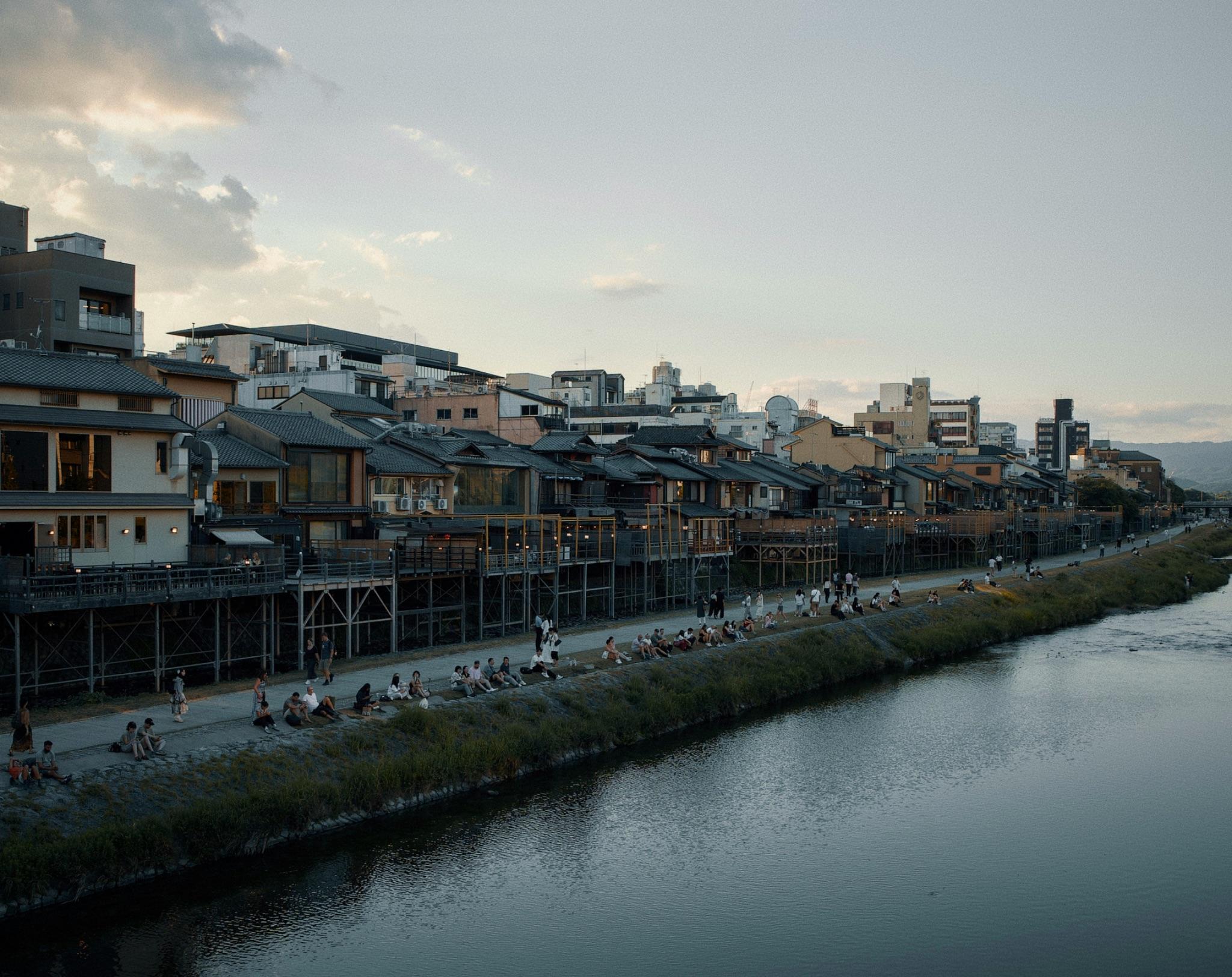
Popular attractions are often busiest around the middle of the day. Visiting a temple shortly after opening, taking an early walk through a market or exploring a shopping street in the evening can give you a more relaxed experience. In places such as Kyoto, where residential streets sit close to major tourist sites, early starts also help reduce pressure on local neighbourhoods. It is worth leaving gaps in your itinerary, too. Japan has plenty of small discoveries that do not require advance bookings: a neighbourhood bakery, a quiet riverside path, a local stationery shop or a family-run restaurant tucked away from the main street. These stops can be more memorable than rushing between a long list of famous landmarks.
A Smoother Trip Comes Down to Small Details
The most useful Japan travel tips are often the least glamorous. Keep an IC card topped up, carry some cash, check which railway operator serves your destination and avoid taking oversized luggage onto crowded transport when you can arrange delivery instead. Respecting everyday customs and allowing extra time at busy stations will also make travelling easier. Japan is a rewarding country to explore independently, and you do not need to plan every minute to enjoy it. Once you understand a few practical details, you can spend less time worrying about logistics and more time noticing the places around you.