
Choosing between Naples and Florence means deciding what you want from a few days away. One city runs on espresso, lively street conversations and the irresistible smell of pizza emerging from wood-fired ovens. The other draws visitors into Renaissance streets, elegant piazzas and galleries filled with works that changed the course of European art. Both are unmistakably Italian, yet the experiences they offer could hardly feel more different. With a weekend to spare, the right choice comes down to whether you prefer a city that thrives on spontaneity or one that rewards a little planning.
Naples: A Weekend That Starts in the Streets
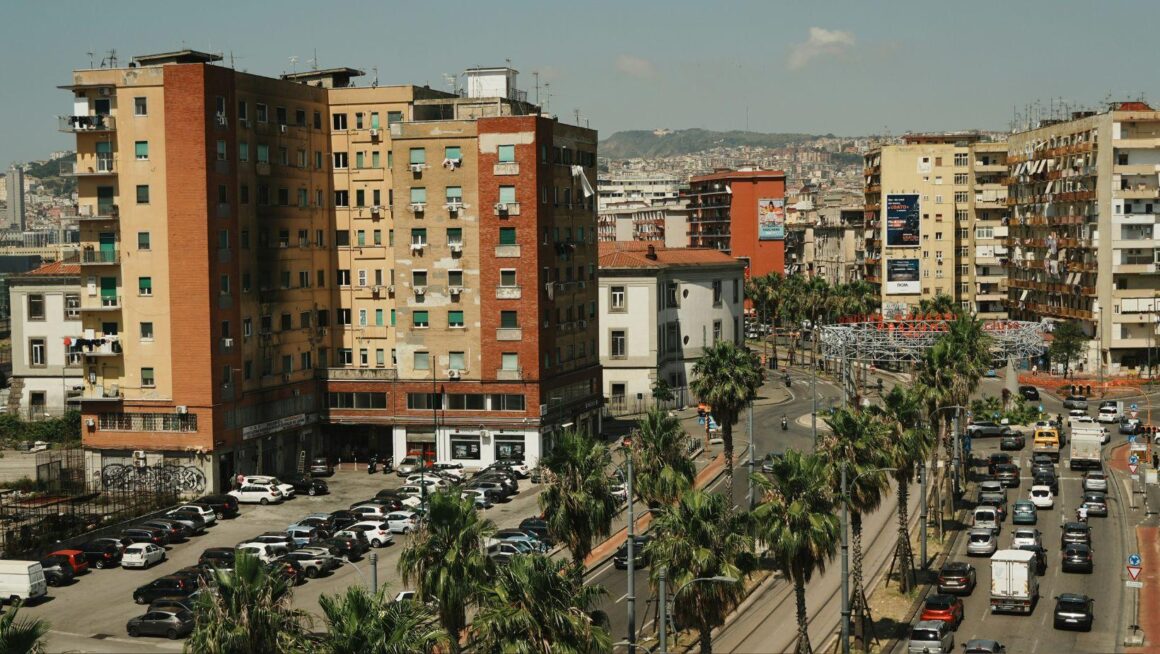
Naples makes an impression before you’ve even worked out where to go first. Scooters weave through narrow streets, washing hangs above busy lanes, and cafés seem to operate as extensions of the pavement. The historic centre is a lively tangle of churches, small shops, market stalls and family-run restaurants, with something interesting happening around nearly every corner. Arriving by rail is straightforward for many visitors, and the Rome to Naples train makes it possible to travel south from the capital without losing much of a short break to the journey.
Start around Spaccanapoli, the long, narrow route that cuts through the old town, where baroque churches sit beside modest shops and traditional bakeries. Stop for a sfogliatella, a shell-shaped pastry with a crisp exterior and fragrant filling, then continue towards the San Gregorio Armeno area, known for its artisan workshops producing figurines and elaborate nativity scenes. Naples is not a city that needs to be approached as a checklist. Wandering without a fixed destination often leads to the most memorable discoveries, from a tiny shrine tucked into a wall to a bustling square where locals gather for an evening chat.
The waterfront offers a different perspective. Along the Lungomare, views stretch across the Bay of Naples towards Mount Vesuvius, while Castel dell’Ovo stands close to the shore. A walk here provides a welcome pause from the intensity of the centre, especially near sunset, when the light softens over the water.
Florence: Art, Architecture and an Easier Pace
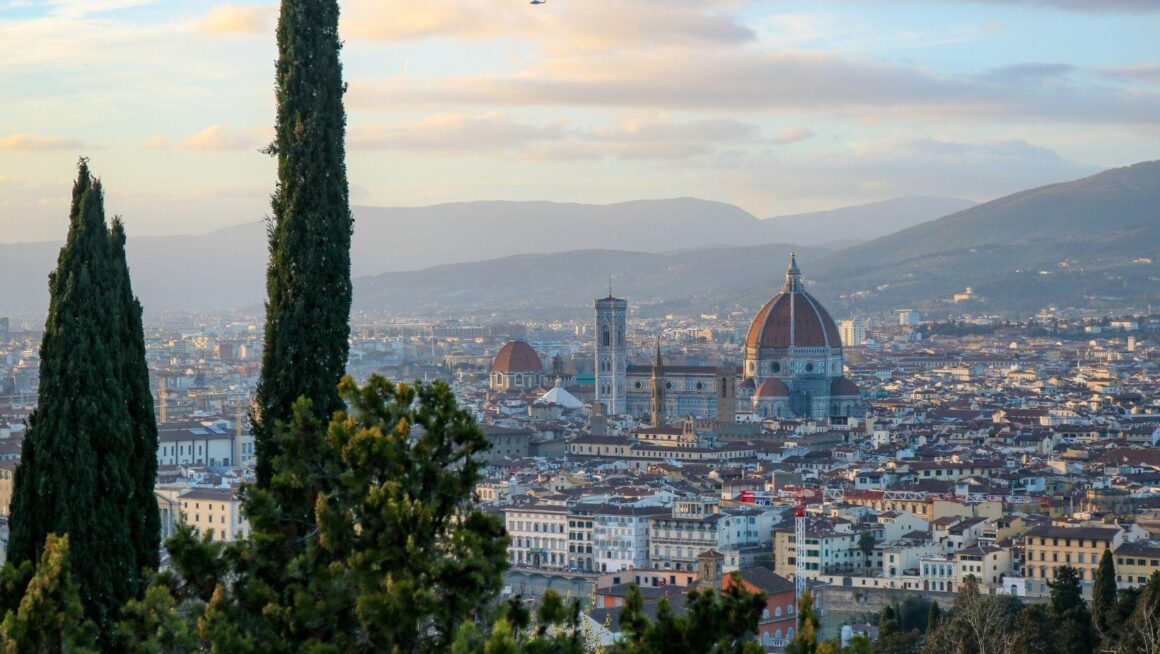
Florence appeals to travellers who like their weekends filled with visual detail and cultural landmarks. Its compact historic centre makes it possible to cover plenty on foot, moving between grand squares, independent boutiques, historic cafés and some of Italy’s most celebrated museums. The city has a polished atmosphere, but it is not simply an open-air museum. University students, artisans and residents keep its streets active long after visitors have left the main sights.
The obvious starting point is the Cathedral of Santa Maria del Fiore, whose enormous dome dominates the skyline. Nearby, Piazza della Signoria combines outdoor sculpture with the imposing Palazzo Vecchio, while the Ponte Vecchio crosses the Arno beneath a row of historic shops. Art lovers should reserve time for the Uffizi Gallery, home to major works from the Renaissance, although booking ahead is sensible if a particular exhibition or collection is high on the list.
Florence also works well for travellers who prefer a gentler evening. The Oltrarno district, across the river, has craft workshops, wine bars and trattorias tucked into streets that become particularly atmospheric after dusk. A short climb to Piazzale Michelangelo rewards visitors with a sweeping view across the rooftops. Those extending their holiday towards the Veneto can also consider the Florence to Venice train, linking two very different Italian destinations by rail.
Eating Well: Pizza, Pasta and Tuscan Classics
Food may be the deciding factor for travellers who plan their days around meals. In Naples, pizza is part of everyday life rather than a dish reserved for a special occasion. The traditional Neapolitan version has a soft, airy crust, a tender centre and a small number of carefully chosen toppings. Margherita and marinara remain classics, and a busy neighbourhood pizzeria can be as satisfying as a celebrated name, provided you are prepared to wait during peak hours.
Street food gives Naples another advantage for casual grazing. Pizza fritta, fried dough filled with ingredients such as ricotta or pork, is a filling option between sightseeing stops. Cuoppo, a paper cone of fried seafood or vegetables, is ideal for eating while exploring the city. Meals tend to feel informal and energetic, and a little noise around the table is part of the atmosphere.
Florence takes a different culinary route, with Tuscan cooking built around seasonal produce, beans, bread, olive oil and meat. Ribollita, a thick vegetable and bread soup, is especially comforting in cooler weather, while bistecca alla Fiorentina is a substantial grilled steak traditionally served rare. For something less elaborate, seek out a lampredotto sandwich from a street stall, a local speciality made with slow-cooked beef stomach. Pair dinner with a glass of Tuscan wine, then leave room for gelato on the walk back to your accommodation.
Museums or Archaeology? Choosing Your Main Attraction
A weekend in Naples can easily extend beyond the city centre. The National Archaeological Museum houses an exceptional collection of artefacts from Pompeii and Herculaneum, making it a useful introduction to the ancient Roman world. If you have most of a day available, you could travel to Pompeii itself, where streets, homes and public buildings reveal details of everyday life before the eruption of Vesuvius in AD 79. Just remember that adding an archaeological site means sacrificing some time in Naples proper.
Florence is the natural choice for anyone drawn to painting, sculpture and Renaissance history. The Uffizi and Accademia Gallery can fill much of a day, particularly if you prefer to explore at a leisurely pace. The latter is famous for Michelangelo’s David, while the former brings together works by artists including Botticelli, Leonardo da Vinci and Caravaggio. Beyond the major institutions, smaller museums and historic palaces provide quieter opportunities to understand the city’s artistic heritage.
Neither destination requires every hour to be planned, but advance reservations are valuable for headline attractions in both cities. Decide on one or two priorities before arriving, then allow room for unplanned stops.
Costs, Crowds and Practical Weekend Planning
Your budget will depend on the season, accommodation and how often you eat out. Naples can be appealing to travellers seeking casual dining and an informal atmosphere, with inexpensive pizza and street food readily available. Florence has plenty of affordable options too, although accommodation close to major landmarks can become expensive, particularly during busy periods and major cultural events.
Both cities attract substantial numbers of visitors, but the pressure is concentrated in different places. Florence’s cathedral area, Ponte Vecchio and famous galleries can become crowded, especially in spring and summer. In Naples, busy streets and popular food spots can feel hectic throughout the day, while traffic and the city’s complex street layout may take some adjustment. Comfortable walking shoes are essential in either destination.
For a two-night escape, choose accommodation within walking distance of the main areas you want to explore. This reduces time spent crossing the city and makes it easier to return for a break before dinner. Check museum opening days and transport schedules before finalising your plans, especially if you intend to include an excursion outside the city.
So, Which City Deserves Your Weekend?
Naples suits travellers who want a lively, food-focused break with dramatic coastal views, street-level culture and the option of exploring ancient Roman sites. Florence is a natural match for visitors who love art, architecture, independent shops and leisurely evenings over Tuscan dishes and wine.
Neither choice is a compromise. Naples rewards curiosity and an appetite for the unexpected, while Florence makes it easy to build a weekend around beauty, history and thoughtful exploration. Pick the city that matches your preferred pace, and two days can be enough to leave you planning a return visit before you’ve even headed home.