
A Country Moving in Several Directions
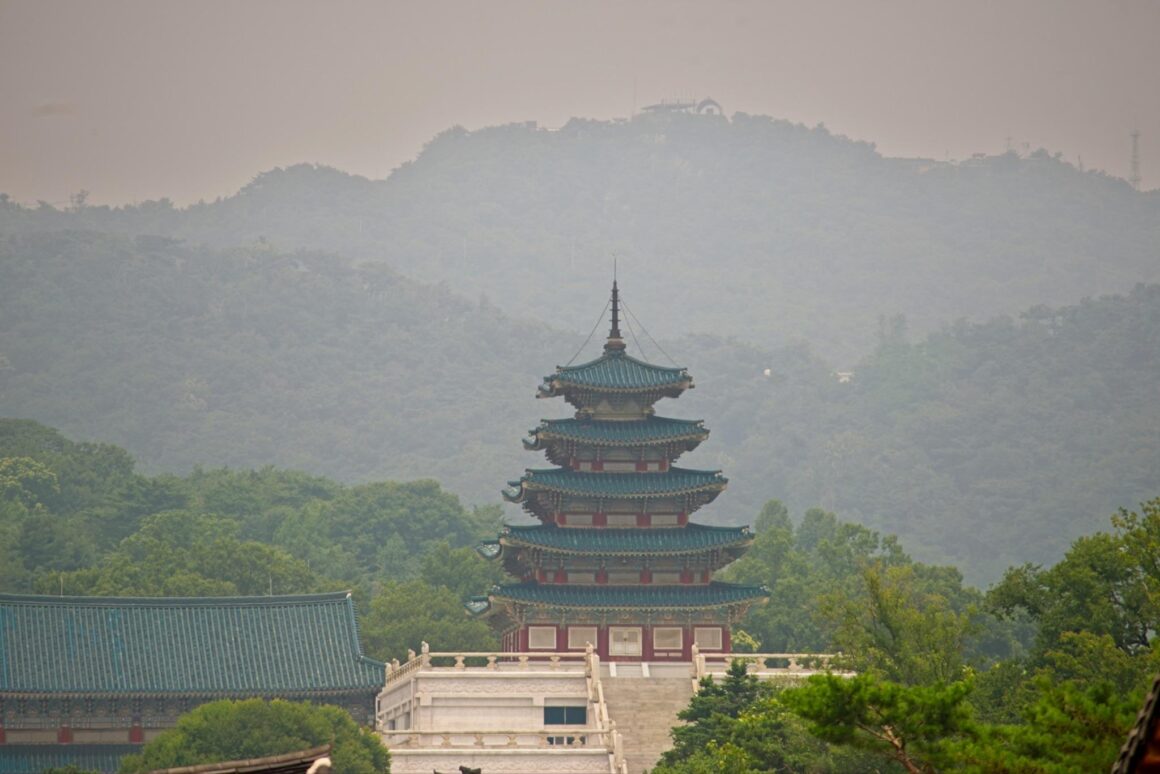
South Korea can feel remarkably fast-paced. Seoul’s streets remain active late into the evening, digital technology is woven into everyday routines, and trains connect major cities with impressive efficiency. Yet alongside this contemporary energy are palace courtyards, mountain temples, traditional markets and villages where older customs remain visible.
The contrast is not simply between modern cities and historic sites. Korea often places different eras within the same neighbourhood. A glass tower can rise behind a centuries-old gate, while a quiet hanok street may sit only a short walk from a busy commercial district.
Travelling through the country reveals these layers gradually. Seoul introduces the scale and ambition of modern Korea, while destinations further south offer different perspectives on history, food, coastline and regional culture.
Seoul’s Constant Motion
Seoul is a city that rarely seems to stand still. The Han River divides the capital into distinct districts, while mountains rise around its edges and provide a reminder of the geography on which the metropolis developed.
Gangnam is associated with contemporary architecture, shopping and entertainment, but other parts of the capital preserve a much older character. Bukchon Hanok Village contains traditional Korean houses arranged along narrow, hilly streets, while nearby Gyeongbokgung Palace provides one of the clearest connections with the Joseon dynasty.
The palace grounds are especially striking when visitors encounter people wearing hanbok, the traditional Korean dress. The colourful clothing creates a visual link between present-day visitors and the architectural setting.
At the same time, Seoul’s cafés, design shops, galleries and restaurants demonstrate how confidently the city has embraced contemporary culture.
Railways That Reflect Korea’s History
South Korea’s railway system provides an interesting way to observe the country’s changing landscape. Different services operate at different speeds, and each offers its own style of travel.
The Mugunghwa train is associated with slower journeys and more traditional railway travel. It stops at more stations than the country’s high-speed services, allowing passengers to see smaller towns and less prominent parts of the countryside.
For travellers who are not in a hurry, this can be a rewarding alternative. The journey becomes less about reaching the destination as quickly as possible and more about watching agricultural areas, suburban communities and regional landscapes pass beyond the windows.
The slower pace also provides a useful contrast with Korea’s famous high-speed trains, demonstrating that modernisation has not completely replaced older forms of railway travel.
Southbound at High Speed
For a very different experience, the KTX Seoul to Busan route connects two of South Korea’s most important cities. High-speed rail has transformed travel between the capital and the country’s southeastern coast, making long-distance journeys considerably quicker than they once were.
The landscape changes noticeably along the way. Dense urban areas gradually give way to agricultural land, smaller settlements and mountainous terrain before the route approaches Busan.
The journey illustrates the scale of South Korea’s infrastructure development. Modern stations and sophisticated rail technology exist alongside landscapes shaped by farming, rivers and long-established communities.
For visitors, the contrast is particularly useful because it places Korea’s technological achievements within the wider geography of the country.
Palaces Beneath the City Skyline
Seoul’s royal palaces provide some of the strongest reminders of Korea’s historical identity.
Gyeongbokgung is the largest and perhaps the most recognisable, with grand gates, courtyards and ornate wooden structures arranged across an extensive complex. Changdeokgung offers a different atmosphere, particularly through its famous Secret Garden.
The palace buildings are characterised by elegant rooflines and colourful decorative details rather than the monumental stone architecture associated with many European royal residences.
Visiting these sites can also reveal how Korean architecture responds to its environment. Courtyards, gardens, walls and carefully positioned buildings create a sense of separation from the surrounding city without completely hiding it.
From certain viewpoints, modern skyscrapers appear beyond the palace roofs, making the historical and contemporary character of Seoul visible in a single scene.
Busan by the Sea
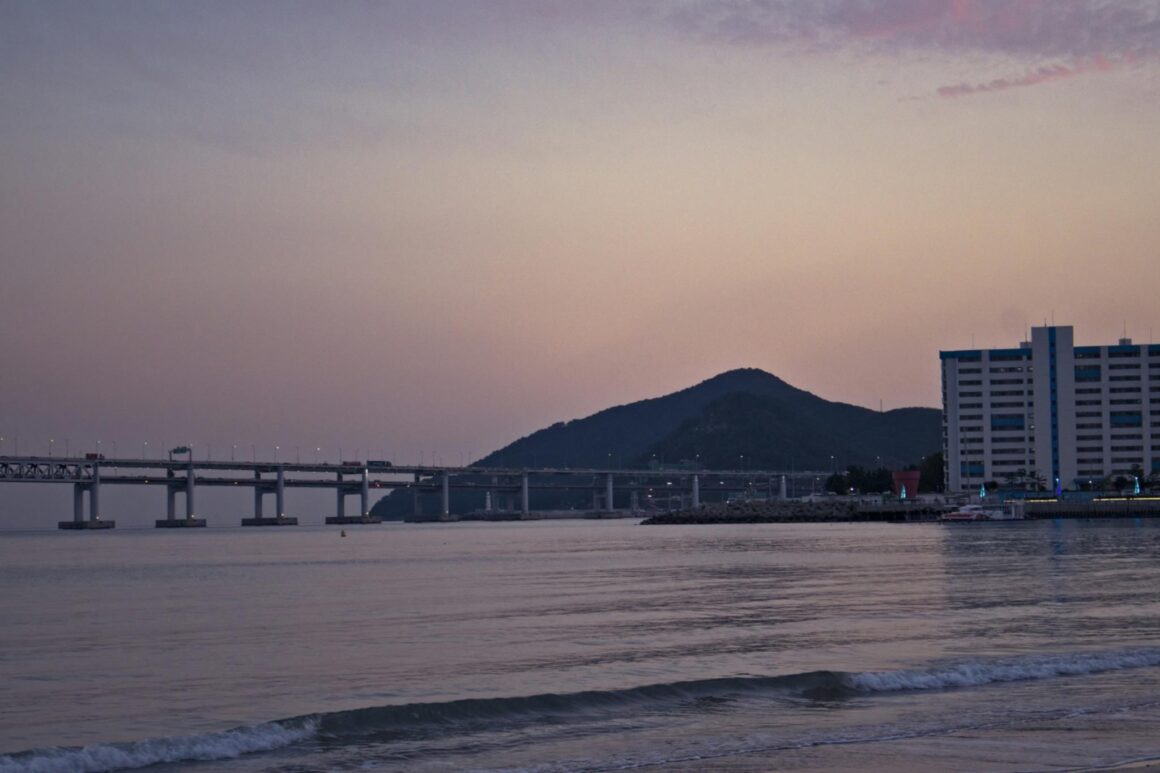
Busan offers a dramatic change from the capital. The city stretches between mountains and coastline, creating a more maritime atmosphere.
Haeundae is the best-known beach district, with a long sandy shoreline surrounded by hotels, restaurants and entertainment venues. Elsewhere, the coastline becomes more rugged, with cliffs, walking paths and smaller beaches.
Gamcheon Culture Village occupies steep hills above the city. Its brightly coloured houses, stairways and narrow lanes have become one of Busan’s most recognisable sights.
The city also has a strong seafood culture. Jagalchi Market provides an opportunity to see the importance of the sea to local life, with stalls and restaurants offering an enormous variety of fresh produce.
Busan feels more open to the ocean than Seoul, and its identity has been shaped by generations of fishing, trade and international exchange.
Ancient Korea in Gyeongju
Gyeongju provides one of the clearest opportunities to step away from contemporary Korea and explore the country’s ancient history.
Once the capital of the Silla Kingdom, the city contains royal tombs, temples, observatories and archaeological remains spread across a relatively open landscape.
The large grassy burial mounds of the Daereungwon Tomb Complex are particularly distinctive. Unlike many monumental tombs elsewhere in the world, they appear as rounded hills integrated into the modern city.
Bulguksa Temple and nearby Seokguram Grotto are among the region’s most important Buddhist sites. Their craftsmanship reflects the sophistication of Silla-era culture and provides insight into the religious traditions of the period.
Gyeongju’s relatively quiet atmosphere makes it an interesting counterpoint to Seoul’s intensity.
Traditional Villages and Hanok Life
Traditional Korean houses, known as hanok, remain an important part of the country’s architectural heritage. Their wooden structures, tiled roofs and enclosed courtyards were designed with both climate and family life in mind.
Jeonju is particularly well known for its hanok village, where hundreds of traditional-style buildings create a historic district within the modern city.
The area is also closely associated with Korean food. Jeonju bibimbap is one of the country’s best-known regional dishes, combining rice with vegetables, meat and other carefully arranged ingredients.
Visitors can also encounter traditional paper-making, crafts, tea houses and cultural workshops. These activities demonstrate that heritage does not have to remain confined to historic monuments.
Markets and Korean Street Food
Food is one of the easiest ways to experience the contrast between old and new Korea. Modern restaurants may specialise in elaborate tasting menus or international cuisine, while traditional markets continue to offer familiar local dishes.
Gwangjang Market in Seoul is famous for its lively food stalls. Visitors can sample dishes such as bindaetteok, a savoury mung bean pancake, as well as noodles, dumplings and rolls.
Street food has also become a major part of contemporary Korean culture. Tteokbokki, hotteok and eomuk are widely available, particularly around busy shopping streets and markets.
The presentation may be informal, but the flavours often draw on longstanding culinary traditions.
Technology and Contemporary Culture
Korea’s modern identity extends well beyond transport infrastructure. The country has become a major influence in music, television, film, beauty and fashion.
Seoul’s neighbourhoods reflect this cultural reach. Hongdae is strongly associated with young artists, musicians and independent businesses, while Seongsu has become known for converted industrial spaces, cafés and design-led shops.
Digital technology is equally visible. Contactless payments, sophisticated public transport systems and extensive connectivity make navigating Korean cities relatively straightforward.
Yet the popularity of contemporary Korean culture has not erased regional differences. Local food, dialects, festivals and historical traditions continue to give individual cities and provinces their own identities.
Mountains, Temples and Stillness
South Korea’s mountainous geography provides a quieter counterpoint to urban life. National parks contain hiking routes, forests and Buddhist temples, often surprisingly close to major population centres.
Bukhansan, on the edge of Seoul, is a particularly striking example. Granite peaks rise above the capital, offering hiking opportunities with views across the enormous metropolitan area.
Further south, temples such as Beomeosa near Busan provide peaceful settings surrounded by woodland and mountain scenery.
These places reveal another aspect of Korean culture. The country can move at remarkable speed, but there remains a strong appreciation for walking, contemplation and time spent outdoors.
Two Rhythms, One Journey
Korea is perhaps most fascinating when its different speeds are experienced together. A high-speed railway journey can connect major cities within a few hours, while a slower train can reveal smaller communities and less familiar landscapes.
A morning might begin among Seoul’s skyscrapers, continue through historic palace grounds and finish at a traditional market. Another day could combine a rapid journey south with an afternoon beside the sea in Busan.
The country’s history adds further depth. Gyeongju’s ancient tombs, Jeonju’s hanok streets and mountain temples demonstrate that rapid modernisation has taken place alongside traditions with roots stretching back centuries.
That coexistence is central to Korea’s character. Technology, architecture, food and transport may change quickly, but older customs continue to find space within contemporary life.
From the gentle pace of a Mugunghwa service to the speed of high-speed rail, South Korea offers multiple ways to understand its landscape. The journey becomes more interesting precisely because no single rhythm defines the country.