
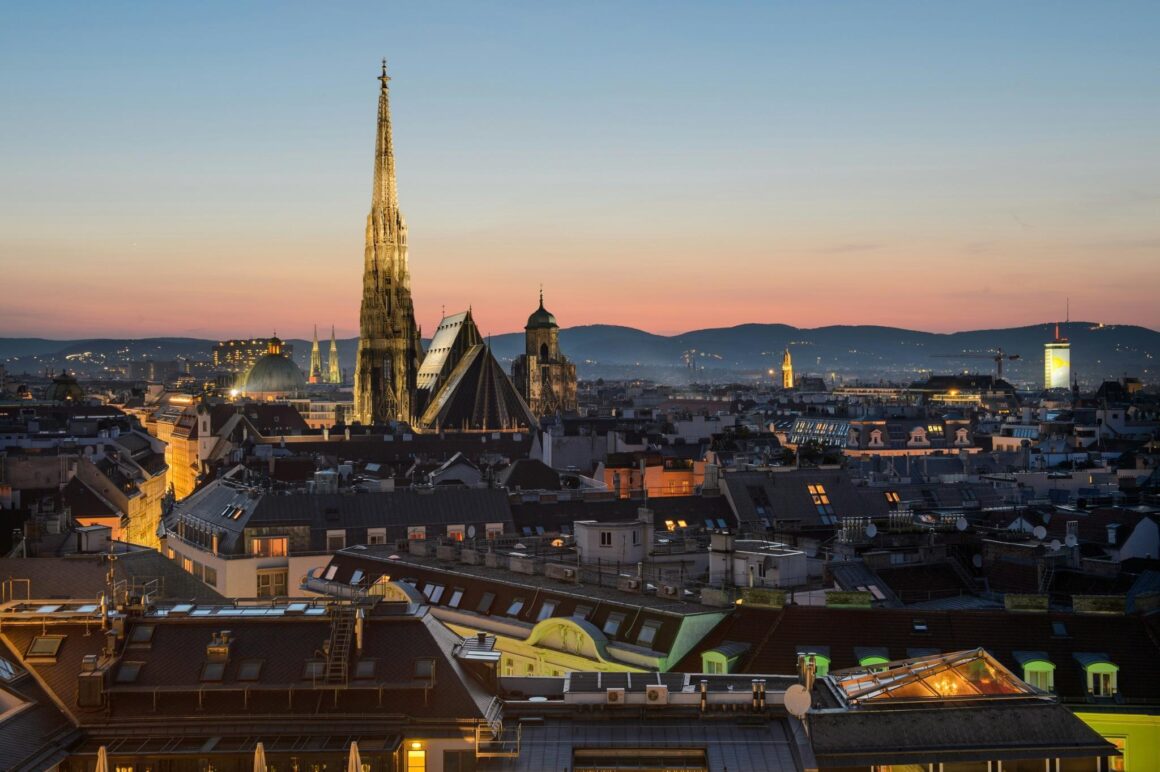
Vienna After Dark
Vienna changes character as evening settles over the city. During the day, grand palaces, museums and broad avenues attract visitors from around the world, but after sunset the Austrian capital becomes quieter and more atmospheric.
The historic centre is particularly appealing at night. St Stephen’s Cathedral rises above the surrounding streets, its patterned roof and Gothic tower illuminated against the evening sky. Nearby lanes lead towards elegant squares, traditional cafés and restaurants occupying centuries-old buildings.
Vienna’s musical heritage also takes on a special quality after dark. Concert halls and smaller venues continue a tradition associated with composers such as Mozart, Beethoven and Schubert, while contemporary performances add another dimension to the city’s cultural calendar.
For travellers, an evening in Vienna does not need to revolve around major attractions. Sitting in a traditional coffee house, walking along the Ringstrasse or watching the city lights reflected in the Danube Canal can be just as memorable.
The Romance of Night Rail
Austria’s location in central Europe makes it particularly well suited to overnight journeys. Rather than spending valuable daytime hours travelling between cities, passengers can board in the evening, settle into a sleeping compartment and wake up somewhere new.
The Nightjet network has become an important part of this style of travel, connecting Austria with destinations across neighbouring European countries. Sleeping cars, couchettes and seated accommodation provide different ways to experience the journey, depending on comfort preferences and budget.
Overnight rail also offers something that flying cannot easily reproduce. There is a gradual transition from one destination to another, with station lights disappearing behind the carriage as the train moves through the darkness.
For travellers who enjoy the journey as much as the destination, this slower departure can become one of the highlights of an itinerary.
Beneath the Alpine Peaks
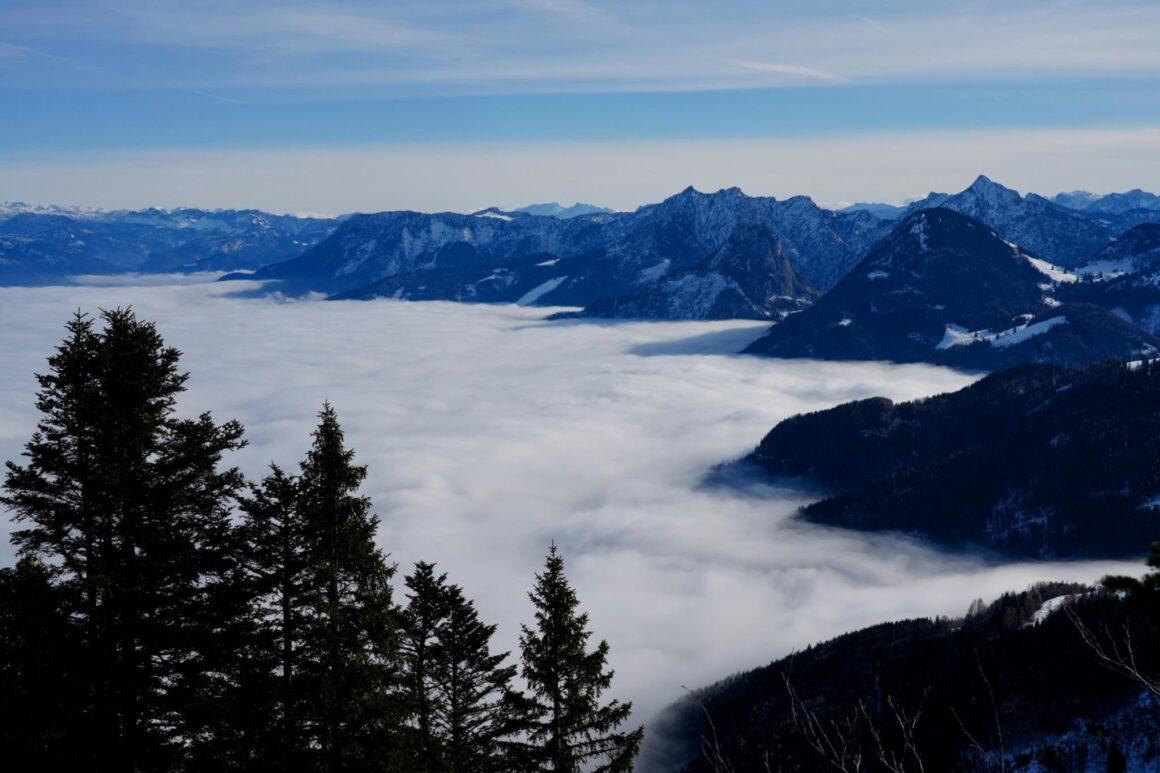
Beyond Vienna, Austria’s geography changes dramatically. The eastern plains gradually give way to hills and then to the towering mountains of the Alps.
The Tyrol region is particularly famous for its dramatic scenery. Innsbruck sits in a broad valley surrounded by peaks, creating an unusual combination of urban life and alpine wilderness.
During winter, the mountains attract skiers and snowboarders, while summer brings hikers, cyclists and climbers. Yet the region is not solely about outdoor activities. Historic villages, churches and traditional farmhouses reveal a strong architectural identity shaped by the surrounding landscape.
The mountains also influence the rhythm of everyday life. Weather can change quickly, valleys can feel dramatically different from exposed peaks and seasonal traditions remain important in many communities.
Innsbruck’s Imperial Legacy
Innsbruck has played an important role in Austrian history and was closely associated with the Habsburg dynasty. The city’s historic centre contains several reminders of its royal past.
The Golden Roof is one of the most recognisable landmarks. Its gilded copper tiles catch the light above the narrow streets of the Old Town, while the surrounding buildings create an attractive mixture of Gothic and Baroque architecture.
The Hofburg Imperial Palace offers another insight into the city’s royal connections. Its grand interiors contrast with the rugged mountains visible beyond the city.
One of Innsbruck’s greatest attractions, however, is its setting. Visitors can walk through the medieval centre and then reach the mountains within a remarkably short time, making the city an excellent base for combining culture with outdoor exploration.
Salzburg in Winter
Salzburg has a distinctly cinematic appearance, particularly when winter weather settles over the city. The old town stretches beneath the imposing Hohensalzburg Fortress, while the Salzach River divides the historic centre from the newer districts.
The city’s musical identity is inseparable from Wolfgang Amadeus Mozart, who was born here in 1756. Museums and historic sites connected with the composer attract visitors throughout the year.
Salzburg’s Baroque architecture provides another reason to explore on foot. Salzburg Cathedral, Mirabell Palace and the surrounding squares create a compact collection of monumental buildings.
In December, the city’s Christmas markets transform the historic centre. Wooden stalls, seasonal decorations and warm drinks create an atmosphere that contrasts with the cold streets outside.
Even outside the festive season, Salzburg remains an appealing evening destination, particularly when the fortress is illuminated above the rooftops.
Night Travel across Austria
Austria’s national railway operator, OBB, plays a central role in the country’s long-distance rail network. Its services connect Vienna with major Austrian cities and provide links across central Europe.
For overnight travellers, this creates the possibility of building an itinerary around evening departures rather than conventional daytime transfers.
There is also a practical advantage to travelling by rail. Major stations are generally located within or close to city centres, reducing the additional transfers often required when airports sit well outside urban areas.
A night train can therefore function as both transport and accommodation. After an evening meal in one city, passengers can board their service, sleep during the journey and begin exploring another destination the following morning.
Alpine Villages After Sunset
The Austrian Alps are often photographed in bright daylight, but mountain villages have their own appeal after dark.
Wooden balconies, church towers and traditional houses become silhouettes against the mountains, while windows glowing from within create a sense of warmth during the colder months.
Kitzbühel is one of Austria’s best-known alpine resorts. Its colourful historic centre has developed around winter tourism, but the town retains traditional architecture and a strong local identity.
Hallstatt offers a different experience. The village sits beside a lake beneath steep mountains, and its compact streets become particularly peaceful once daytime visitors have departed.
At night, the relationship between settlement and landscape becomes easier to appreciate. Artificial light is limited, allowing the surrounding mountains and dark water to dominate the view.
Austrian Food for Cold Evenings
Food is another important part of an Austrian winter journey. Traditional cooking tends towards hearty dishes that suit colder weather and alpine conditions.
Wiener schnitzel remains one of the country’s best-known specialities, while tafelspitz, a slow-cooked beef dish, has a long association with Viennese cuisine.
In mountain regions, dumplings, sausages, potatoes and cheese feature prominently. Tiroler gröstl, made with potatoes, meat and onions, is particularly suited to a filling meal after a day outdoors.
Desserts provide a sweeter conclusion. Apple strudel is perhaps the most famous, while Kaiserschmarrn, a shredded pancake served with sugar and fruit compote, is another Austrian favourite.
Viennese coffee houses add another dimension to the food culture. They are places to sit, read, talk and linger rather than simply stop for a quick drink.
The Sound of Alpine Evenings
Music remains deeply woven into Austrian cultural life. Vienna’s classical tradition is internationally famous, but musical experiences extend far beyond formal concert halls.
Salzburg’s connection with Mozart is obvious, while regional festivals and smaller performances introduce visitors to Austrian folk traditions.
In the Alps, music can be closely connected with seasonal celebrations. Brass bands, choirs and traditional instruments often appear at local events, particularly during summer and around religious festivals.
The contrast between a grand Viennese concert and a small village performance is considerable, yet both reflect the country’s longstanding relationship with music.
Lakes, Castles and Winter Roads
Austria’s attractions extend well beyond its largest cities. The Salzkammergut region contains numerous lakes surrounded by mountains, with towns such as St Wolfgang and St Gilgen offering scenic bases for exploration.
In winter, frozen lakes, snow-covered slopes and misty valleys can give the region a completely different appearance from its summer landscapes.
Castles and monasteries provide further opportunities for day trips. Melk Abbey, overlooking the Danube west of Vienna, is one of the country’s most impressive Baroque landmarks.
The Wachau Valley combines historic villages, vineyards and river scenery. Although better known for its summer landscapes, the region becomes much quieter during the colder months.
Waking Beneath the Alps
One of the pleasures of travelling through Austria at night is the anticipation of what will appear outside the window in the morning.
A departure from Vienna may begin beneath city lights before the railway moves through darkness towards another region. By dawn, the landscape can have changed completely, revealing forests, villages, snow-covered fields or mountain peaks.
This makes overnight rail more than a practical alternative to flying. It creates a transition between destinations that feels gradual and immersive.
Austria is particularly suited to this experience because its cities and alpine landscapes are so closely connected. Within a relatively short journey, travellers can move from imperial streets and concert halls to mountain valleys and lakeside villages.
A Country Made for Evening Journeys
Austria rewards travellers who allow themselves to slow down. Vienna’s illuminated architecture, Salzburg’s historic centre and Innsbruck’s mountain backdrop all reveal different sides of the country once the daytime crowds begin to fade.
The rail network adds another dimension, allowing journeys to continue after dinner and making it possible to wake up in an entirely new setting.
From the elegant streets of the capital to the quiet villages beneath the Alps, Austrian nights have a distinctive atmosphere. Warm cafés, historic façades, mountain silhouettes and the gentle movement of trains all contribute to a style of travel that feels both practical and romantic.
For those willing to exchange airport queues for railway platforms and daytime transfers for sleeping compartments, the night itself becomes part of the adventure.