

Buying a shuttle bus is more than just choosing a vehicle that has enough seats to accommodate a specific number of passengers. They can be used to transport tourists to a lot of interesting spots, while students can benefit from buses that can take them to and from school on a daily basis. See more info about a shuttle bus when you click here.
Each company has its own unique transport requirements, and this is why it’s essential to evaluate several factors before making a decision. Across Canada, shuttle buses are supporting a wide variety of institutions where they can use municipal operations so people can keep moving according to their schedule.
Climate is another consideration when one is buying a bus in Canada because the vehicles need to operate through changing weather conditions. They can range from freezing winters where the snow literally covers the road to hot summers where air conditioners should perform reliably. Buying a model that’s designed to perform reliably throughout the year can decrease unexpected downtime and provide passengers with a more comfortable travel regardless of the season.
Deciding to invest in a shuttle bus will often require knowing more about the operating costs as well as the needs of the passengers. It’s best to take time to evaluate these areas so the organization is able to select a bus that can continue to deliver value for many years rather than simply meeting a short-term transportation demand.
Know More about your Transport Requirements
Be clear about what the shuttle bus will be used for and the daily volume of passengers that it should cater to. The travel distances matter too, and the frequency of the driving, so the buyer can determine the model that can provide the greatest value.
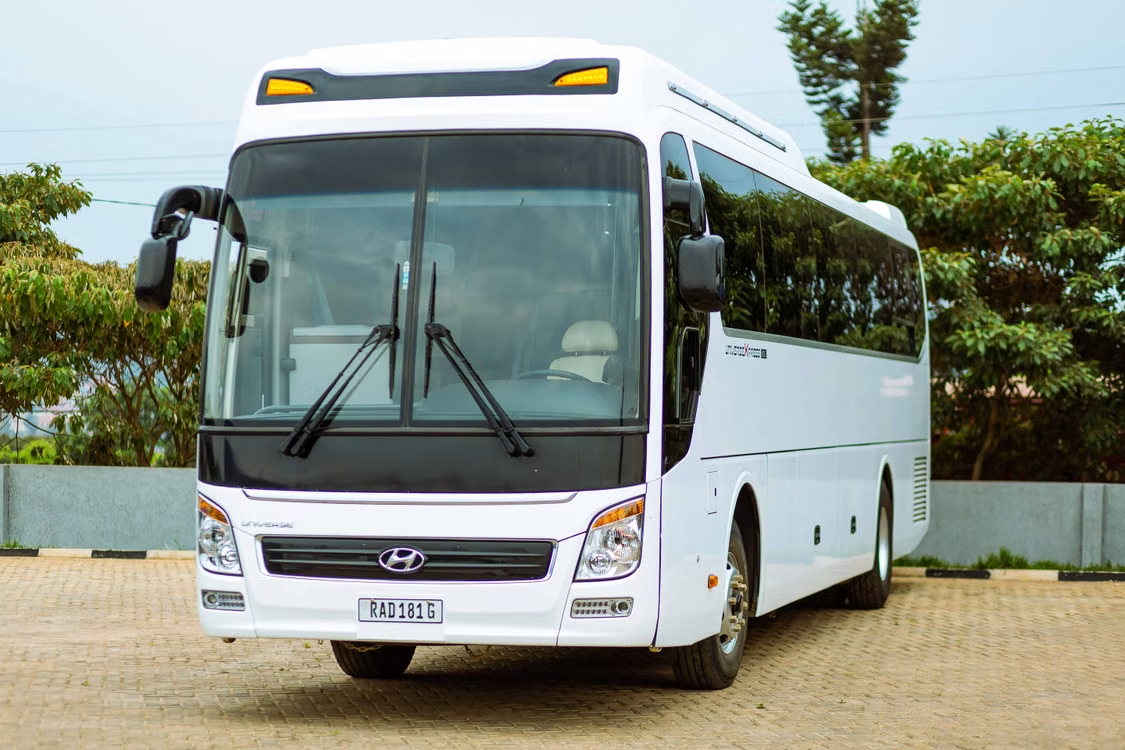
Hotels often require a huge luggage space for airport transport, while a retirement community needs accessibility features that can help the elderly before boarding. Many universities will frequently need dependable transportation for their students, while an industrial facility will need a durable vehicle for the continuous transportation of employees. Various organizations like tourism operators may also require different operational capabilities, so make sure to know them before buying.
Choose the Appropriate Passenger Capacity
Too little seating might not accommodate all of the guests in a vehicle, while the large ones might result in unnecessary fuel consumption, and the maintenance expenses may increase. Buying a bus through a national Canada bus dealership through The Bus Centre can help one know more about the demands that they’ll need through helpful representatives.
It’s best to evaluate the average passenger numbers instead of just seeing the occasional peak usage so that the owners can have a more realistic basis when they’re selecting the right size. The organizations that are also expecting future growth should consider whether additional capacity would benefit them for their long-term operations without the high costs.
Passenger Comfort Should Be a Priority
Many might spend a lot of time inside a shuttle bus, so comfort is often an important consideration. Climate control along with legroom that’s big enough can contribute to a better travel experience.
It’s a great option for buses that are used for airport transportation, and a cool environment is a good idea for passengers who may already be experiencing fatigue before boarding. Some features like overhead lighting (https://www.nhtsa.gov/interpretations/nht78-325) as well as large windows for natural sunlight to pass through can improve satisfaction and create a more professional impression.
What to Consider with Accessibility Features?
Organizations may transport many passengers with mobility requirements, and selecting a bus shuttle equipped with accessibility features can create a more inclusive solution. Wider entries can help, and others may specify wheelchair lifts with strategically positioned handrails as well as lowered step heights to simplify boarding. They are very helpful for senior living communities that need to transport the elderly to and from their healthcare providers. Rehabilitation centers can also be accommodated because the buses are made for a broad range of users.
Prepare for Canadian Weather Conditions
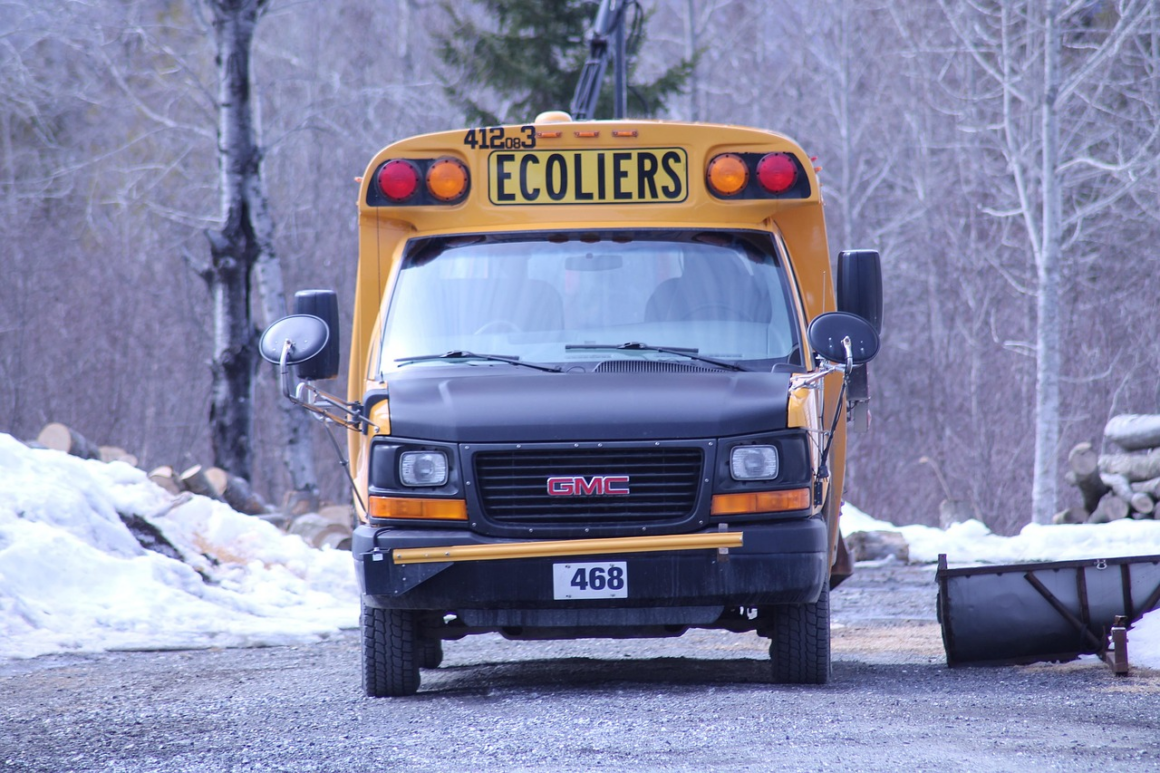
Bus operations in Canada can often mean facing a lot of changing road conditions in freezing temperatures. Every season has its own driving challenges, and they can often place additional demands on many commercial vehicles.
Shuttles designed to withstand Canadian conditions generally have a dependable heating system to make everyone comfortable, and their insulation is often reliable for the colder months. Many have windshield defrosting systems with dependable brakes, so the passengers are going to be safe even if the bus is operating year-round.
Evaluate Operating Costs Beyond the Purchase Price
Buying the bus initially only represents a single portion of one’s overall investment, but the long-term ownership costs should also have a greater impact on one’s budgeting. Fuel efficiency, as the bus should save fuel because of its rising costs nowadays, is important. Owners should also look for a mechanic shop that’s well-equipped to handle repairs, and the warranty coverage is also important. Many businesses should evaluate the complete picture of their finances instead of focusing exclusively on the upfront costs before buying.
Decide Between New and Used Options

Pre-owned and new shuttle buses have their own pros and cons. Depending on one’s operational budget, one could be better than the other. A new bus often includes manufacturer warranties, and there are updated interiors that can help passengers become more comfortable. A business that’s launching a premium transportation service can create an excellent first impression for their passengers, and they can find that this is a wiser choice.
On the other hand, used shuttles are able to provide excellent value from reputable dealerships with their lower acquisition costs. They’re great for organizations with expanding fleets while they manage their capital. It’s best to bring a mechanic who can carefully inspect the overall condition of these buses regardless of which option is selected.
Every organization is different, so tailored additions can often improve passenger satisfaction. Shuttle buses are now configured to match the operational requirements of a company, and many businesses may choose to upgrade their additional luggage storage while creating a professional appearance that supports their public image.