
For a long time, travelers looking at Puerto Rico faced a fairly binary choice: a large all-inclusive resort on one end, or a basic guesthouse on the other. In the last several years, that middle ground has filled in dramatically, and what’s emerged is a distinctly boutique hospitality scene — smaller in scale, heavier on design, and far more attentive to the details that make a stay memorable rather than merely functional.
What “Boutique” Actually Means Here
The word gets used loosely across the travel industry, but on the island it tends to describe a specific approach: properties designed by people who think about hospitality the way a curator thinks about a gallery. Instead of uniform rooms stamped out from a corporate template, boutique operators lean into local art, custom furniture, and architectural details that reflect Puerto Rico’s own visual language — bold color, tropical modernism, and a strong sense of place.
Groups like Dreamers Welcome have built their approach around exactly this idea, treating each property less like inventory and more like a curated environment. It’s a shift that mirrors what’s happened in other creative industries, where audiences increasingly value craftsmanship and point of view over sheer scale.
Why This Shift Is Happening Now
A few forces are converging here. First, travelers themselves have changed. Social platforms have made people more visually literate and more likely to seek out spaces that photograph well and feel distinctive, not interchangeable. Second, the pandemic-era shift toward longer stays and remote work pushed demand toward properties that feel comfortable to live in, not just visit — good light, real kitchens, quiet corners for a laptop.
Third, Puerto Rico’s own creative community has grown more visible over the past decade, with local artists, architects, and designers increasingly involved in shaping hospitality spaces rather than being an afterthought. Operators such as Dreamers Welcome have leaned into that talent pool directly, working with local creatives on everything from interior styling to the overall guest experience, which gives their properties a specificity that’s difficult to replicate at scale.
The Guest Experience Side of the Equation
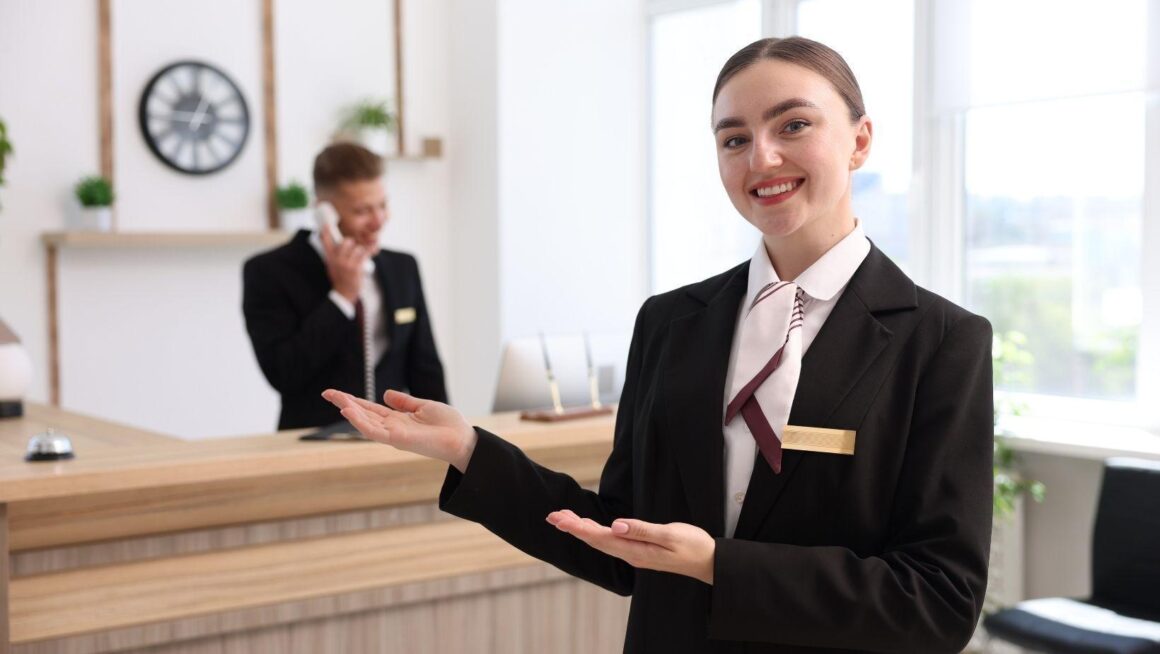
Design is only half the story. The other defining trait of boutique operators is a more personal, less transactional relationship with guests. Rather than routing every question through a call center, smaller hospitality groups tend to offer direct, responsive communication — a text message answered quickly, a local recommendation that actually reflects insider knowledge rather than a generic list.
This matters more than it might initially seem. Trip research shows that travelers increasingly rank “feeling looked after” as highly as amenities themselves. A well-designed villa loses some of its appeal if a broken air conditioner takes three days to resolve. The boutique model, done well, closes that gap between how a place looks in photos and how it actually feels to stay there.
A Ripple Effect Across the Island
This shift isn’t happening in isolation — it’s contributing to a broader change in how Puerto Rico positions itself as a destination. Rather than competing purely on price or scale with larger Caribbean resort markets, the island is increasingly marketed around its culture, creativity, and design sensibility. Boutique operators are, in many ways, at the front of that positioning, since their properties often become the visual shorthand travelers associate with the destination itself.
What It Means for Travelers
For anyone planning a trip, the practical upshot is more choice and, generally, a higher baseline of thoughtfulness in how properties are run. Whether that means a converted historic building in Old San Juan or a design-forward villa along the coast, the boutique approach tends to prioritize the same things: distinctive design, genuine local character, and a level of service that feels personal rather than procedural.
As more operators, including Dreamers Welcome, continue to expand this model beyond Puerto Rico into new markets, it’s worth watching whether this smaller, design-led approach becomes less of a niche and more of an industry standard across the wider Caribbean and beyond.