
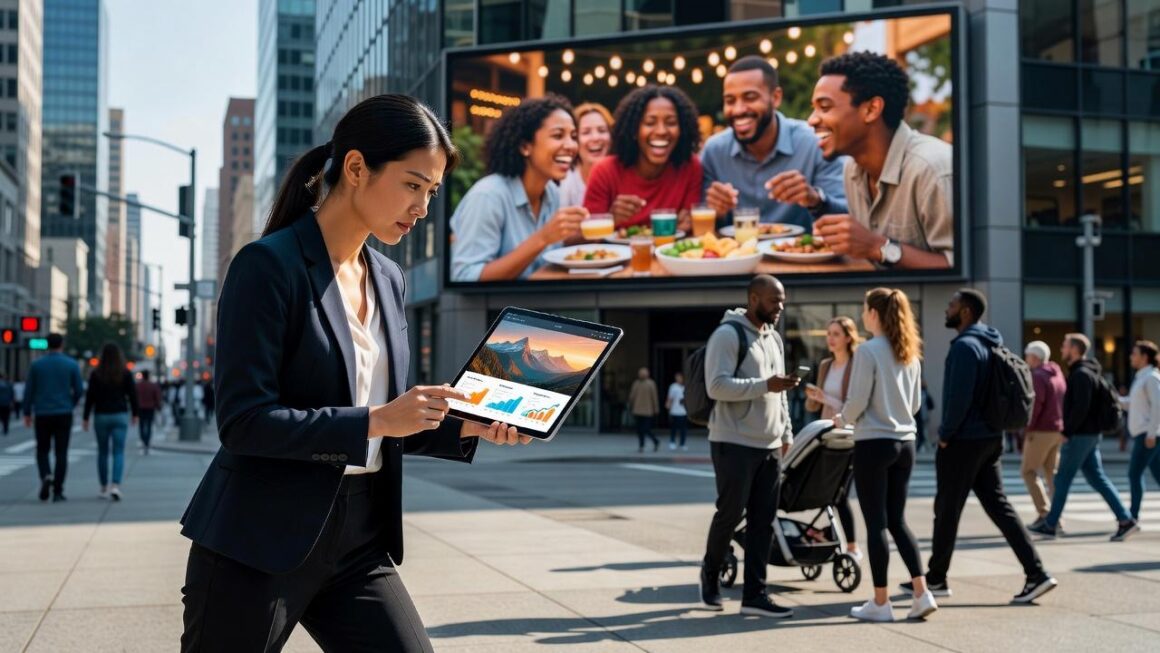
Visual Storytelling in Action: Lessons from Various Industries
E-commerce stores that replaced plain product photos with lifestyle videos lifted add-to-cart rates by 27 percent. Travel brands use drone footage and 15-second destination reels to generate bookings from viewers who never read the full description. Fashion houses build entire collections around Instagram visual narratives that create desire through color, movement, and atmosphere.
The same principle applies to highly competitive personal service sectors. Successful professionals offering escort bucharest services have long recognized that a sophisticated visual portfolio is often the most powerful tool for establishing credibility, conveying exclusivity, and creating an emotional connection before a single word is read. Personal brands in consulting, coaching, and creative fields follow identical logic. They invest in consistent visual identities that communicate expertise instantly. Each industry proves the same rule: the first impression happens visually.
The Evolution of Content Consumption in the Digital Era
Smartphones reshaped how people consume information over the past fifteen years. TikTok, Instagram Reels, and YouTube Shorts trained users to expect instant visual stimulation. Platform algorithms now prioritize content that stops the scroll within 1.5 seconds. Average human attention span dropped to eight seconds by 2026.
Video traffic grew from 50 percent of all internet traffic in 2016 to 82 percent last year. Users spend 10 times longer on pages that combine video and images versus text-only formats. This shift turned visual-first strategies from an option into a requirement. Brands that ignored the change watched their reach collapse while competitors who embraced short-form video captured larger audiences.
The Neuroscience Behind Visual Processing
Your brain processes images in 13 milliseconds. This speed explains why visual content creates immediate emotional responses before rational thought engages. People remember 65 to 80 percent of what they see compared to only 10 to 20 percent of what they read.
Cognitive ease makes visual information feel effortless. Visual learners — roughly 65 percent of the population — form stronger memories when information arrives through images and motion. The brain releases dopamine when it encounters compelling visuals. This chemical reaction builds positive associations and improves recall days or weeks later. Text requires active effort. Visuals deliver understanding at the speed of sight and create lasting emotional imprints.
How Visual Content Drives Engagement, Trust, and Conversions
Content with relevant images receives 94 percent more views than text-only material. Visual posts spread 40 times more often across social networks. Companies that adopted video marketing saw retention rates reach 95 percent versus 10 percent for text.
One fashion retailer increased time on page by 300 percent after switching to visual-first product stories. A SaaS company lifted conversions 42 percent by replacing feature lists with short demo videos. These numbers appear consistently across studies. High-quality visuals signal professionalism and reduce perceived risk. They allow audiences to feel the brand personality before they read a single sentence. Trust forms faster. Purchasing decisions accelerate.
Practical Strategies for Creating High-Impact Visual Content
Choose formats that match platform behavior. Vertical video performs best on TikTok and Instagram. Square images suit Pinterest and LinkedIn carousels. Maintain minimum resolution of 1080p for video and 2000 pixels wide for hero images.
Apply storytelling principles to every piece. Show transformation instead of stating it. Keep branding elements consistent across colors, filters, and typography. Encourage user-generated content because authentic photos convert 4.5 times better than polished studio shots. Use AI tools to enhance — never replace — human creativity. Test three variations of every visual before full deployment. Track which images increase dwell time and which ones cause immediate exits. Adjust weekly based on real performance data.
The Future of Visual Communication: Trends and Recommendations
AI-generated visuals, augmented reality try-on experiences, and interactive 360-degree content will dominate campaigns in late 2026. Personalization engines already create unique visuals for individual users based on past behavior. Yet oversaturation creates a new challenge. Audiences grow tired of generic AI art and demand genuine human perspective.
Successful creators combine technology with authenticity. They label AI-assisted work transparently and balance it with original photography and video. Brands that invest in visual strategy now will claim attention in an increasingly crowded space. Start with an audit of your current assets. Identify which formats drive your highest engagement. Build a consistent production system that delivers high-quality visuals on schedule. Those who treat visual content as a core business function rather than an afterthought will capture significantly higher ROI and audience loyalty in the years ahead. The data is clear. The tools exist. The only question left is how quickly you adapt.