
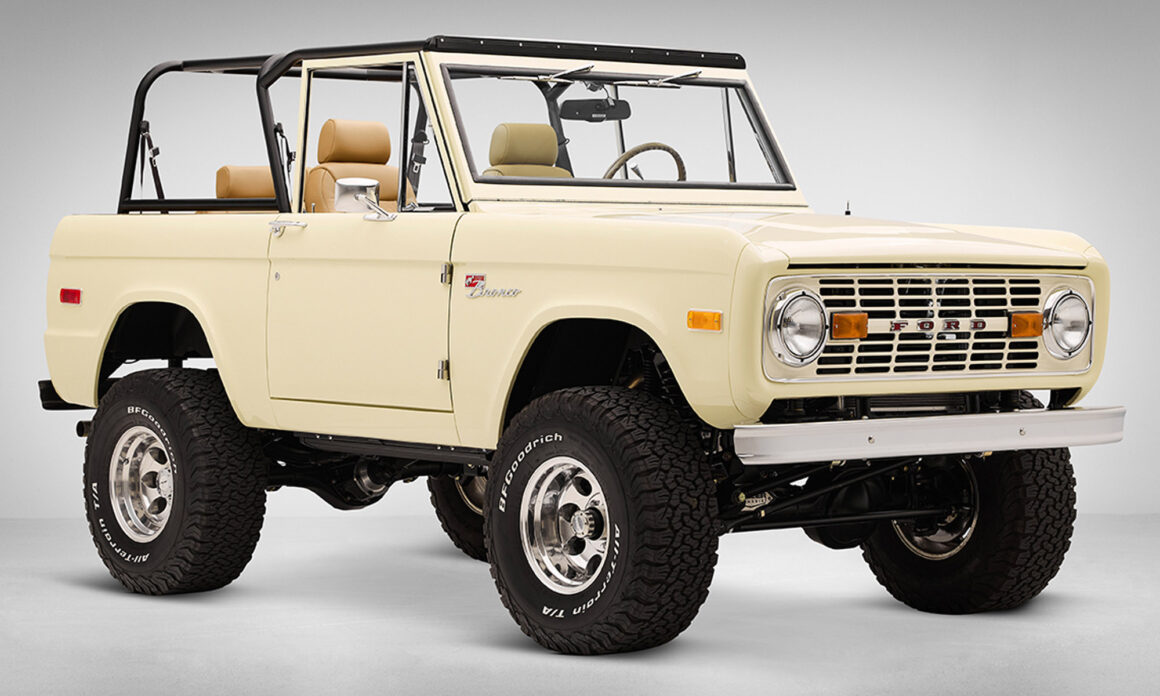
Few classic vehicles command attention like the early Ford Bronco. First introduced in 1966, the Bronco quickly became a symbol of rugged freedom and off-road capability. Today, restoring one is more than a mechanical project — it’s a way to preserve automotive history while creating something uniquely personal. With demand for first-generation models continuing to rise, a properly restored Bronco offers both emotional satisfaction and long-term value. Whether you’re a collector, investor, or enthusiast, understanding the restoration process is the first step toward doing it right.
Understanding the Value of a Vintage Bronco
Historical Significance and Collector Appeal
The first-generation Bronco (1966–1977) holds a special place in automotive history. Its compact body, simple mechanics, and exceptional off-road performance made it an instant classic. Unlike many modern SUVs, early Broncos were built with durability and utility in mind. Today, collectors seek them for their timeless design and cultural significance. Limited production numbers and increasing rarity continue to drive strong resale values.
Restoration vs. Restomod: Know Your Goal
Before starting a project, it’s important to define your vision. A factory-correct restoration focuses on returning the vehicle to original specifications, including period-accurate colors, parts, and finishes. A restomod, on the other hand, blends classic styling with modern upgrades such as fuel injection, improved suspension, and updated interiors. Knowing your goal early prevents costly revisions later.
Step-by-Step Vintage Bronco Restoration Process
Step 1: Inspection and Evaluation
Every successful restoration begins with a thorough inspection. Frame condition, rust damage, drivetrain wear, and VIN verification must all be assessed. Rust is particularly common in floor pans, door posts, and quarter panels. A detailed evaluation helps determine whether a frame-off restoration is necessary.
Step 2: Disassembly and Structural Repair
A high-quality restoration often involves a complete disassembly. The body is separated from the frame, allowing builders to repair corrosion, reinforce structural components, and ensure proper alignment. Addressing structural integrity early ensures safety and longevity.
Step 3: Mechanical Rebuild and Reassembly
Once structural work is complete, attention turns to the engine, suspension, steering, and braking systems. Some restorations rebuild the original engine, while others opt for modern powertrains for improved reliability. Careful reassembly ensures every component functions as intended while maintaining visual authenticity.
Key Components That Define a High-Quality Restoration
Exterior Authenticity
The exterior is what most people see first. High-quality bodywork, laser-straight panels, and period-correct paint colors significantly enhance value. Proper trim installation and weather sealing also prevent future deterioration.
Interior Craftsmanship
The interior should reflect both comfort and authenticity. Restored dashboards, factory-style gauges, and premium upholstery elevate the driving experience. Subtle upgrades — like hidden audio systems — can improve usability without compromising vintage appeal.
Mechanical Reliability
A restored Bronco should drive as confidently as it looks. Upgraded suspension systems, improved braking components, and carefully tuned engines ensure the vehicle performs safely on modern roads. Reliability is just as important as appearance.
Why Professional Expertise Matters
Restoring a vintage Bronco is far more complex than a typical automotive repair project. Precision fabrication, sourcing authentic parts, and balancing originality with modern drivability require specialized experience. Poorly executed restorations can diminish both safety and resale value.
For collectors seeking long-term quality and authenticity, working with specialists in Vintage Bronco restoration ensures the project is handled with craftsmanship, technical knowledge, and attention to detail. Expert builders understand the nuances of early Broncos and can deliver results that stand the test of time.
Cost Considerations and Investment Potential
Restoration costs vary significantly depending on the starting condition and level of customization. Projects can range from moderate refreshes to full frame-off builds requiring extensive structural work. While high-quality restorations require substantial investment, they often command premium resale prices due to their rarity and craftsmanship.
Beyond financial return, there is an emotional payoff. Driving a meticulously restored Bronco offers a connection to history that modern vehicles simply cannot replicate. For many owners, that experience alone justifies the investment.
Planning Your Restoration the Right Way
Success begins with clear planning. Define whether your Bronco will be a showpiece, weekend cruiser, or investment asset. Establish a realistic budget and timeline, and prioritize structural integrity over cosmetic upgrades. Documentation throughout the process also strengthens future resale value.
Choosing experienced professionals and maintaining a clear vision from the start dramatically increases the likelihood of a successful outcome.
Bringing a Classic Back to Life
Restoring a vintage Bronco is both an art and a science. It requires patience, technical expertise, and a commitment to authenticity. When executed properly, the result is more than a vehicle — it’s a timeless classic reborn for modern roads. With the right planning and expert guidance, your restoration project can become a lasting legacy piece that continues to impress for generations.