
Austria may look small on a map, but it offers an impressive variety of travel experiences. Within a few hours, you can move from imperial palaces and classical music halls to Alpine peaks and lakeside villages. That’s why many travelers planning an Austria travel guide quickly realize the country delivers far more diversity than its size suggests.
The key question, however, is simple: which destinations truly belong on the list of the best cities to visit in Austria? Some visitors come for culture and history, others for mountain adventures or picturesque old towns. Fortunately, Austria offers all of these within easy reach.
Salzburg: A Baroque City Surrounded by Mountains
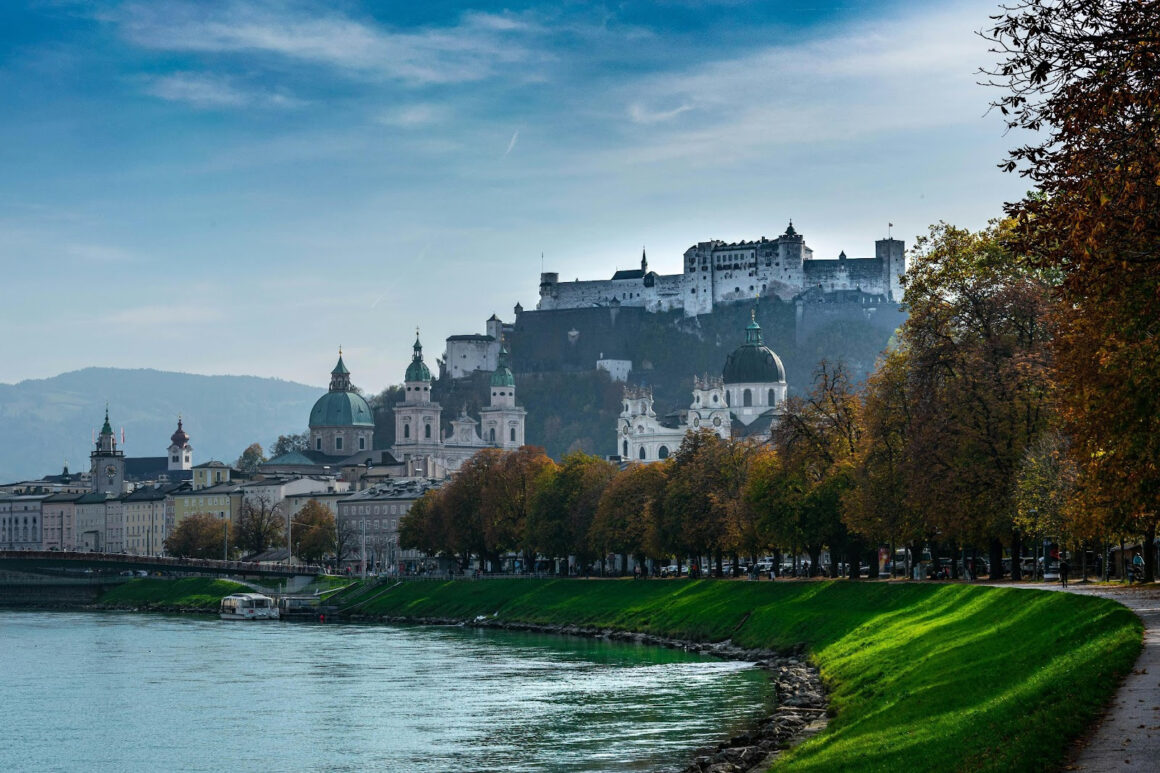
Salzburg is one of the most famous places to visit in Austria, known for its beautifully preserved historic center and musical heritage.
Mozart was born here in 1756, and his legacy remains visible throughout the city. Narrow streets, elegant squares, and pastel-colored buildings give Salzburg a distinctive baroque atmosphere.
Above the old town rises the massive Hohensalzburg Fortress, offering panoramic views over the Salzach River and the surrounding Alps.
Popular attractions include:
- Mozart’s birthplace on Getreidegasse,
- Mirabell Palace and gardens,
- Hohensalzburg Fortress,
- The annual Salzburg Festival.
Many travelers also use Salzburg as a base for exploring the lakes and mountains of the nearby Salzkammergut region.
Innsbruck: Austria’s Alpine Capital
Innsbruck stands out among the best cities to visit in Austria because it blends urban culture with mountain landscapes.
The historic center features colorful medieval buildings and the famous Golden Roof, decorated with thousands of gilded copper tiles. Just a short walk away, the Hofkirche houses impressive statues surrounding Emperor Maximilian I’s memorial.
What makes Innsbruck unique is how quickly the city transitions into nature. Cable cars connect the city center with nearby mountain peaks, allowing visitors to reach hiking trails or ski slopes in minutes.
You can spend the morning exploring the old town and the afternoon high in the Alps.
Hallstatt and the Salzkammergut Lakes
Hallstatt is often considered one of the most picturesque villages in Europe. Nestled between a steep mountain slope and a crystal-clear lake, its wooden houses and church towers create a postcard-perfect setting.
Because of its beauty, Hallstatt has become extremely popular with visitors. During peak season, the number of tourists can far exceed the local population.
A few strategies help improve the experience:
- Visit early in the morning or late in the afternoon.
- Stay overnight instead of joining a short day trip.
- Explore nearby towns around the lake.
The wider Salzkammergut region contains dozens of lakes and charming villages, many of which offer similar scenery with fewer crowds.
Sometimes the surrounding region is just as rewarding as the famous destination itself.
Graz and Other Austrian Cities Worth Visiting
Graz, Austria’s second-largest city, offers a different perspective on the country. Its historic center—recognized as a UNESCO World Heritage Site—features Renaissance courtyards, baroque palaces, and narrow streets filled with cafés and restaurants.
The city also mixes historic architecture with modern design, most notably the futuristic Kunsthaus Graz museum.
Beyond the major destinations, several smaller towns deserve attention as well:
- Steyr – a fairy-tale town with medieval streets and colorful houses
- Krems an der Donau – gateway to the Wachau Valley wine region
- Baden bei Wien – a historic spa town known for thermal baths
- Gmunden – a lakeside town famous for ceramics and castle views
These smaller destinations often provide the most relaxed and authentic travel experiences.
Vienna: Imperial History and Modern Culture
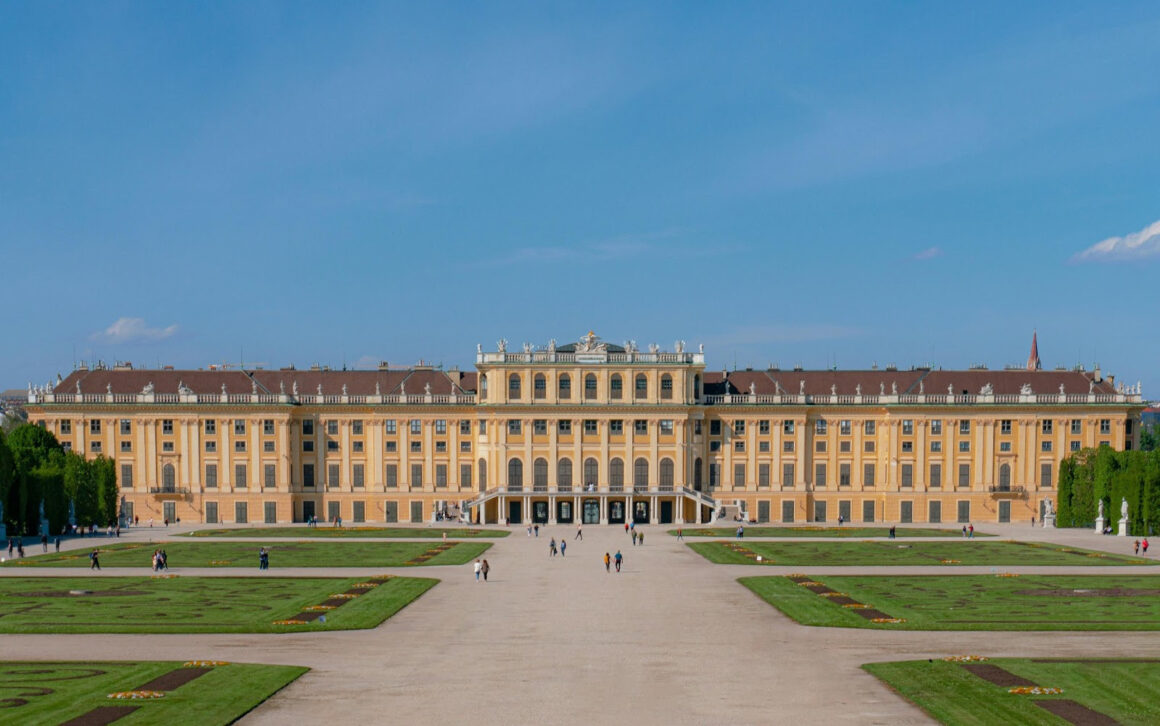
Vienna is the natural starting point for most trips. As Austria’s capital, it combines grand architecture, rich history, and a vibrant cultural scene.
Many of the city’s most famous landmarks date back to the Habsburg Empire. Schönbrunn Palace alone contains over 1,400 rooms, while the Hofburg Palace served as the political center of the empire for centuries. Nearby, the Belvedere Palace houses Gustav Klimt’s iconic painting The Kiss.
Yet Vienna isn’t just about historical monuments. The city’s café culture is just as important to its identity. Spending an afternoon in a traditional coffeehouse with a melange and a slice of cake is practically a Viennese tradition.
When researching what to do in Vienna, many travelers focus only on major attractions. However, the city also has a number of quirky museums, unusual landmarks, and lesser-known sites that most itineraries overlook.
Tip: If you want ideas beyond the typical palace-and-museum route, this guide to unexpected spots and unusual experiences that most visitors overlook when exploring Vienna highlights some interesting alternatives.
Final Thoughts
Austria offers an extraordinary variety of destinations for such a compact country. From Vienna’s imperial grandeur to Salzburg’s baroque charm and Innsbruck’s alpine setting, each city has its own distinct character.
When planning an Austria travel guide, it’s tempting to see everything in one trip. In reality, the best approach is to choose a few destinations that match your interests and explore them properly.
Whether you’re searching for cultural landmarks, mountain landscapes, or charming towns, the many places