
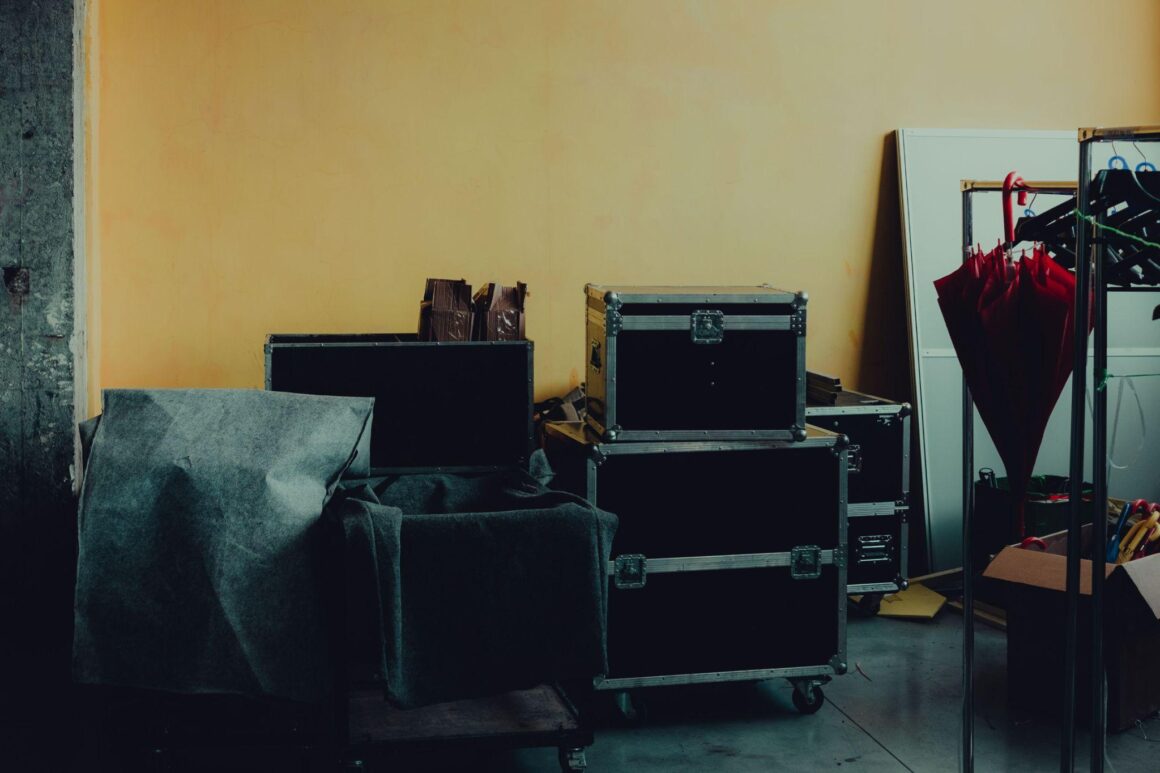
Travelling with cameras, musical instruments or work equipment requires more planning than packing an ordinary suitcase. Valuable gear needs protection, while weight, accessibility and transport arrangements can all affect how smoothly a journey goes.
The most effective approach is to pack around the equipment and the journey, rather than trying to fit everything into the available luggage. A photographer may prioritise lens protection and quick access, while a musician may need to organise cables, accessories and instruments separately. Business travellers may need to protect laptops, presentation equipment or specialist devices without carrying unnecessary weight.
A suitable protective case, sensible weight distribution and a clear packing checklist can make equipment easier to transport and reduce the risk of damage.
What Should You Check Before Packing Professional Equipment?
Start by listing everything you need for the trip—separate essential equipment from items that would be useful but are unlikely to be used.
Think about the entire journey, including travel to the airport, security checks, transfers, accommodation and the return journey. Equipment that seems manageable at home can become difficult to carry after several hours.
Check the transport provider’s current luggage requirements before departure, particularly if your equipment is heavy, oversized or being checked into the aircraft hold. Different airlines have different rules on dimensions, weight and specialist equipment.
For international journeys, also consider insurance, documentation and any restrictions that may apply to batteries or electronic equipment.
A simple inventory can prevent small but important items from being forgotten. Photographers should check batteries, memory cards and chargers. Musicians should account for cables, adapters and accessories. Business travellers should include chargers, power supplies and any specialist equipment needed for meetings or presentations.
Why a Flight Case With Wheels Helps With Heavy Gear
Moving professional equipment can be tiring, especially when a journey involves long airport corridors, railway stations, hotel entrances or several transfers. A flight case with wheels makes heavier equipment easier to move by letting you roll it rather than carry it the entire way.
Flightcase Warehouse supplies protective flight and equipment cases for applications including audio, video, computers, lighting and musical equipment. Its range includes cases fitted with castors for easier transport.
A wheeled case is particularly useful when the equipment itself is too heavy or awkward for a conventional bag. However, wheels don’t remove the need to consider the case’s total weight, dimensions, or handling requirements.
Before choosing one, consider the case’s construction, wheel size, handles, internal protection, and available space. The case should securely accommodate the equipment without being unnecessarily large or heavy.
For photographers, musicians and business travellers, the aim is simple: protect important equipment while making each stage of the journey easier to manage.
Pack Heavy Items in the Right Position
How you arrange equipment inside a case can affect both protection and handling.
Place heavier items low and central where possible. This helps maintain a stable centre of gravity and reduces movement inside the case. Position smaller accessories around the main equipment, as long as they don’t press against fragile components.
Avoid leaving empty spaces where equipment can shift during transport. Use appropriate padding or compartments to keep individual items in place.
Photographers should pay particular attention to lenses, cameras and screens. A lens that moves freely inside a case can be damaged if the case receives a heavy impact.
Musicians should protect delicate components and ensure accessories cannot scratch instruments or press against sensitive controls.
Business travellers carrying electronics should separate cables and chargers from screens and other fragile equipment where practical. Small items should have their own sections or pouches so they do not move around freely.
Before closing the case, gently move it and listen for loose equipment. If anything shifts, adjust the packing before leaving home.
Make Frequently Used Equipment Easy to Reach
A well-packed case should save time and protect equipment.
Think about when you’ll need each item. If you expect to use a camera at the airport or need a laptop during a business trip, placing it beneath several layers of equipment is inconvenient.
Keep frequently accessed items near the top or in external compartments, where suitable. Keep chargers, batteries, memory cards, cables, and travel documents easy to find.
Photographers can group accessories by function. For example, keep camera batteries and memory cards together, and store cleaning equipment separately.
Musicians can keep cables, adapters, and small accessories together rather than scattering them throughout the case.
Business travellers should consider airport security. Pack a laptop or other electronic device that may need to be removed from luggage so you can access it without unpacking the entire case.
Use Padding Where It Provides Real Protection
Protective padding plays an important role, but filling every gap isn’t always the answer.
The padding should prevent equipment from shifting while reducing the effects of impacts. Properly separate fragile equipment from the case walls and other objects.
Foam inserts can help with unusual equipment shapes because they hold individual components in fixed positions. Dividers can also help when the same case carries several smaller pieces of equipment.
Do not place hard objects directly against delicate surfaces. Chargers, tools, cables and other accessories can cause scratches or pressure damage if they move during transport.
Check the padding regularly. Compressed, damaged or worn material may provide less protection than expected.
Label Every Case Before You Travel
Professional equipment can be expensive and difficult to replace while travelling. Clear labelling makes it easier to identify your cases and track their contents.
Use a visible name or contact label, and consider adding a secondary identifier inside the case. If several people are travelling with similar equipment, use consistent labels on each case.
An inventory can also help when checking equipment at the start and end of a journey. A simple list can include the case number, contents and any particularly valuable items.
Photographers working on location can photograph the packed case before leaving. Musicians and production teams can use the same approach when handling multiple cases.
These small measures can save time when loading equipment into vehicles, moving it into venues, or collecting it after a flight.
Think About Weight Before You Leave
A case can become surprisingly heavy once you’ve added every accessory.
Weigh the fully packed case before travelling. Do this after adding chargers, cables, batteries and smaller accessories, as these items can significantly affect the final weight.
If the case is too heavy, remove items you can purchase or source at the destination, where practical. You can also redistribute equipment between cases if this makes the load easier to handle and stays within applicable luggage limits.
Remember that a wheeled case still needs to be lifted at certain points. Steps, vehicle boots, kerbs and luggage belts can all require manual handling.
Packing with these moments in mind can prevent an otherwise manageable case from becoming difficult to move.
Prepare Equipment for Different Travel Conditions
The environment can change significantly during a single journey. Equipment may move from an air-conditioned airport to a vehicle, then to an outdoor venue.
Keep sensitive equipment protected from rain, dust and accidental exposure where necessary. Weather-resistant covers can provide an extra layer of protection when conditions are uncertain.
Temperature changes can also affect some electronic and optical equipment. Allow sensitive equipment time to acclimatise when moving between significantly different environments, particularly if condensation could be an issue.
Adventure photographers and outdoor professionals should also consider ground conditions. Wheels that perform well on smooth airport flooring may behave differently on gravel, grass or uneven paths.
Choose transport equipment based on the places where it will actually be used.
Build a Pre-Travel Equipment Checklist
A checklist reduces the risk of leaving essential items behind.
Divide the list into categories such as primary equipment, power, accessories, protection and documents. Check each category before you leave and again before you return home.
A useful checklist for a photographer could include:
- Camera bodies
- Lenses
- Batteries and charger
- Memory cards
- Cleaning equipment
- Tripod
- Cables and adapters
A musician might add:
- Instrument
- Cables
- Power supply
- Stands
- Accessories
- Spare components
Business travellers can include laptops, chargers, presentation equipment, adapters and any specialist work devices.
Keep a digital copy of the checklist so it remains accessible even if the physical list is misplaced.
Pack for the Journey, Not Just the Destination
Professional equipment often passes through several stages before reaching its final destination. Good packing accounts for every one.
Choose protective storage that suits the equipment, keep the interior organised, and make frequently used items accessible. Check the total weight before departure and confirm the relevant transport requirements.
For those who regularly travel with valuable or bulky gear, a wheeled protective case can reduce the load. Combined with sensible packing and careful handling, it can make airport transfers, hotel journeys and venue visits much easier.
The best packing system protects the equipment while making it easy to find, move and use. With a little preparation before leaving home, photographers, musicians and business travellers can spend less time dealing with luggage and more time focused on the purpose of their trip.