
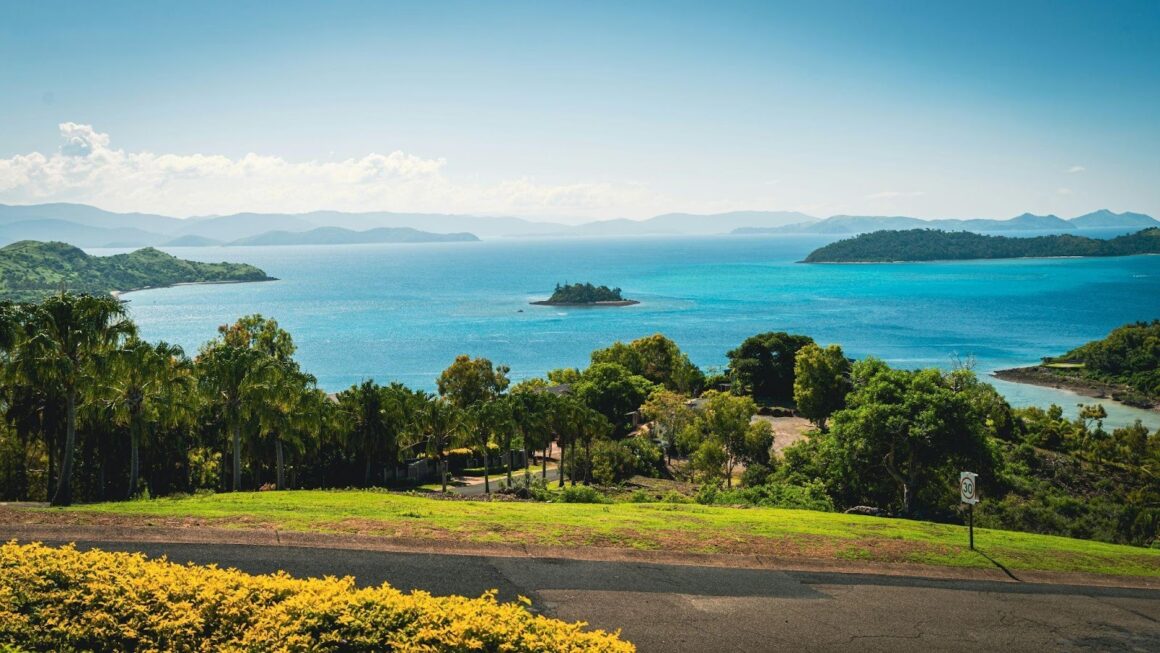
Australia’s coastline stands among the most diverse and celebrated in the world, offering a range of island destinations that draw visitors with varying interests, from wilderness adventure to serene beach relaxation. Among these coastal jewels, the Whitsunday Islands are consistently ranked among the country’s most appealing spots for travellers seeking marine landscapes, reef ecosystems, and open-water exploration. However, planning a trip to this region is not merely about picking dates on a calendar; it involves understanding how seasonal rhythms influence weather, activity opportunities, environmental conditions, and even budget considerations.
Many prospective visitors begin this process by consulting guides on the time to visit Whitsunday island, not to find an absolute “best” month, but to gather information they can interpret in light of their own priorities. Whether the aim is to experience calm seas for sailing, warm water for snorkelling, or quieter travel periods with fewer crowds, thoughtful seasonal planning supports a more rewarding and personally aligned holiday.
Understanding the Whitsundays’ climate rhythms
The Whitsunday Islands lie in tropical Queensland, just off the eastern coast of Australia, where climate patterns are dominated by wet and dry seasons. Unlike temperate locations that experience four distinct seasons, tropical regions are often defined by variations in rainfall, humidity, and sea temperature. In the Whitsundays, this typically translates to a dry season stretching roughly from May through October, and a wet season from November to April.
During the dry period, rainfall is less frequent and humidity drops, creating conditions that many travellers find comfortable for outdoor exploration. Skies are often clear, winds are moderate, and temperatures hover in a range that supports activities from sailing to hiking on island trails. As a result, this season is frequently associated with peak visitation.
The wet season brings higher temperatures, increased humidity, and a greater likelihood of rain, including occasional tropical storms. While these conditions may deter some visitors, they also correspond with warmer sea temperatures and can bring lush green landscapes and dynamic water visibility changes that appeal to certain types of travellers.
Seen together, these seasonal patterns do not rigidly define “good” or “bad” times to visit; rather, they map weather tendencies that travellers can use to align environmental conditions with the experiences they seek.
How activity priorities shape seasonal choices
A central part of seasonal planning is matching weather characteristics to preferred activities. For travellers whose priority is sailing or boating, wind patterns and calm sea conditions often guide timing decisions. Many sailors find that the dry season’s steadier winds and lower rainfall facilitate smoother passages between islands and safer anchoring in bays.
Scuba divers and snorkelling enthusiasts, on the other hand, may look at sea temperature and underwater visibility. Warmer water tends to coincide with later wet-season months and early dry-season transitions. Higher sea temperatures can enhance comfort in the water, though visibility can vary depending on rainfall runoff and local currents.
Bird watchers, photographers, and nature observers may have yet another set of seasonal markers, such as breeding patterns or migrations of local wildlife. These natural cycles are often tied to rainfall and food availability rather than calendar months alone, making flexibility in planning especially valuable.
Weighing crowd levels and travel costs
Seasonality affects more than weather; it also influences crowd density and cost structures. Many travellers associate the dry season with peak tourism, and this can translate into higher accommodation prices, fuller charter and tour bookings, and busier beaches or reef access points. Visitors during these months may find it necessary to book well in advance to secure preferred dates or vessels.
Shoulder seasons, periods between peak and off-peak visitation, often offer a compromise: still comfortable weather conditions with fewer crowds and potentially lower prices. For travellers whose priorities include relaxed pacing and a quieter atmosphere, these transitional months can be particularly appealing.
Budget considerations can also extend to flights and ancillary travel costs. Peak travel demand often drives up airfare and ancillary fees, while off-season periods may be more forgiving on traveller wallets.
Tropical variability and travel expectations
While seasonal patterns provide a framework for planning, they are not guarantees of specific conditions. Tropical weather systems can vary year to year, influenced by larger climate phenomena such as El Niño and La Niña events. Even during generally dry months, showers or isolated storms may occur, and wind conditions can shift unexpectedly.
For this reason, seasoned travellers and guides alike recommend thinking of seasons as probabilistic rather than fixed guarantees. Building flexibility into travel plans, for example, planning open-ended days for water activities rather than locking in tightly scheduled tours, allows travellers to adapt to actual conditions on the ground rather than rely solely on average patterns.
Daylight and daily rhythms
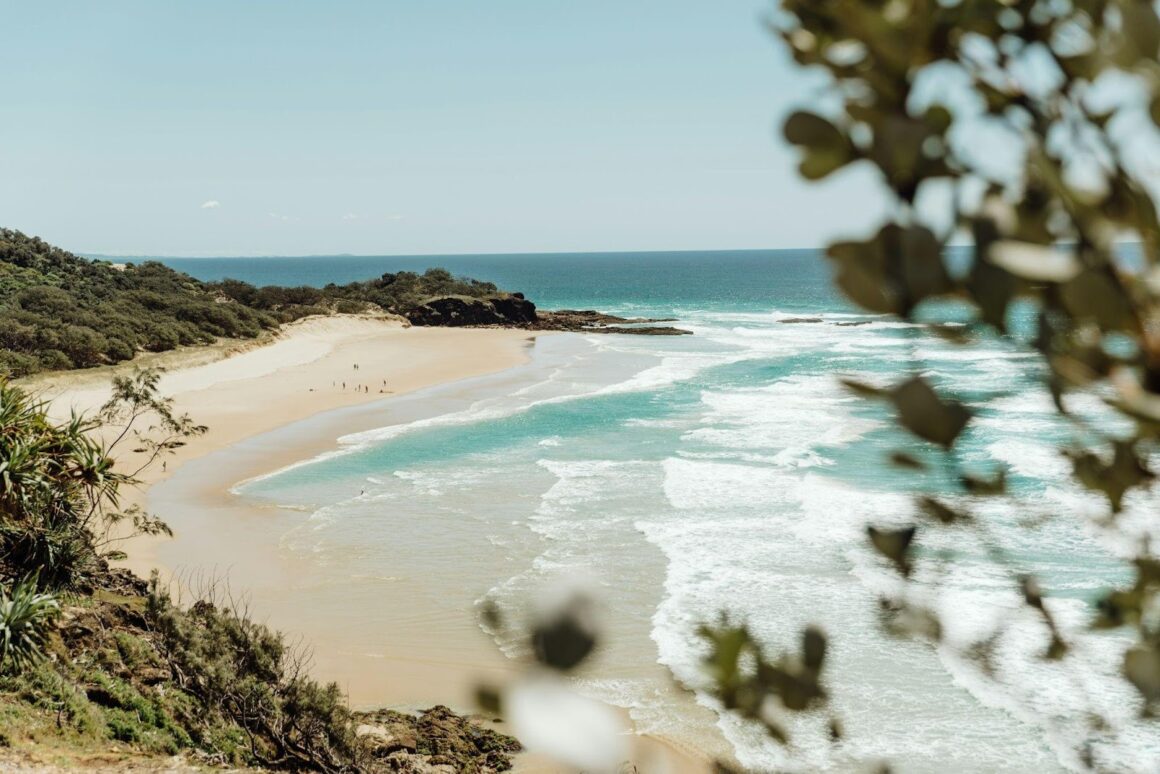
Another aspect of seasonal variation lies in daylight hours. Longer summer days provide extended daylight for exploration, travel between islands, and outdoor dining, while shorter winter days may encourage a more relaxed pace with early sunsets and mellow evenings.
Daylight patterns shape not only how much can be done in a day, but also how travel rhythms feel. Longer days can support more expansive itineraries, while shorter days may align with slower holiday rhythms and evening-focused social experiences.
Understanding daylight as part of seasonal planning supports more intentional scheduling, whether it’s timing a sunrise kayak paddle or planning an evening beachside sunset picnic.
Environmental awareness and ocean conditions
The Whitsunday Islands are surrounded by a reef ecosystem that is part of the broader Great Barrier Reef. Seasonal water temperatures, current patterns, and marine life behaviours affect not only human activity but the condition of the environment itself.
For visitors interested in ecological observation or conservation-oriented exploration, seasonal cues help inform expectations. Certain months may coincide with increased marine biodiversity sightings, while others may be better suited for witnessing specific coral behaviours or water clarity conditions.
Respect for these environmental rhythms also supports responsible travel. Travellers who engage with seasonal details are often more attuned to how their presence interacts with local ecosystems.
Cultural and community calendars
While the Whitsundays are not known for major festivals on the scale of metropolitan cultural events, regional schedules can still influence the travel experience. Local markets, marine events, regattas, and community gatherings can introduce unique seasonal textures to a visit. Some travellers choose to plan around these calendar items to add social and cultural dimensions to their coastal trip, while others prefer quieter windows that avoid event-driven crowds.
Aligning personal priorities with seasonal conditions
The most meaningful element of seasonal travel planning is acknowledging that there is no universal “best time.” Instead, there are better times depending on personal priorities. A windsurfer chasing consistent breezes may find certain months more appealing. A family group focused on leisurely swims may prioritise warmer waters. A photographer seeking dramatic skies may look to transitional months with variable cloudscapes.
Travellers who articulate what they value most, whether comfort, adventure, solitude, or accessibility, can use seasonal patterns as a tool to shape experiences that feel personally fulfilling rather than simply convenient.
Practical strategies for travellers
Seasonal planning becomes more effective when travellers adopt a few practical strategies:
- Identify specific activity goals and match them with known seasonal patterns.
- Research historical weather trends rather than single data points.
- Consider shoulder seasons for balance between weather and crowds.
- Build flexibility into daily schedules to adapt to actual conditions.
- Monitor short-term forecasts closer to departure while keeping long-term expectations realistic.
These strategies help travellers move from reactive planning to proactive preparation, supporting decisions that feel informed rather than impulsive.
The value of intentional timing
A well-timed trip can enhance not only physical comfort but also emotional satisfaction. Travellers consistently report that visiting island destinations during a period that aligns with their personal priorities feels intrinsically more restorative and memorable.
Seasonal planning, in this respect, becomes part of the travel narrative itself. It is not merely a logistical exercise, but a way of shaping how experiences unfold, how environments are perceived, and how memories are anchored in time.
By combining climatic understanding with personal values, travellers are better equipped to approach the Whitsunday Islands, and similar coastal destinations, in a way that honors both place and purpose.