
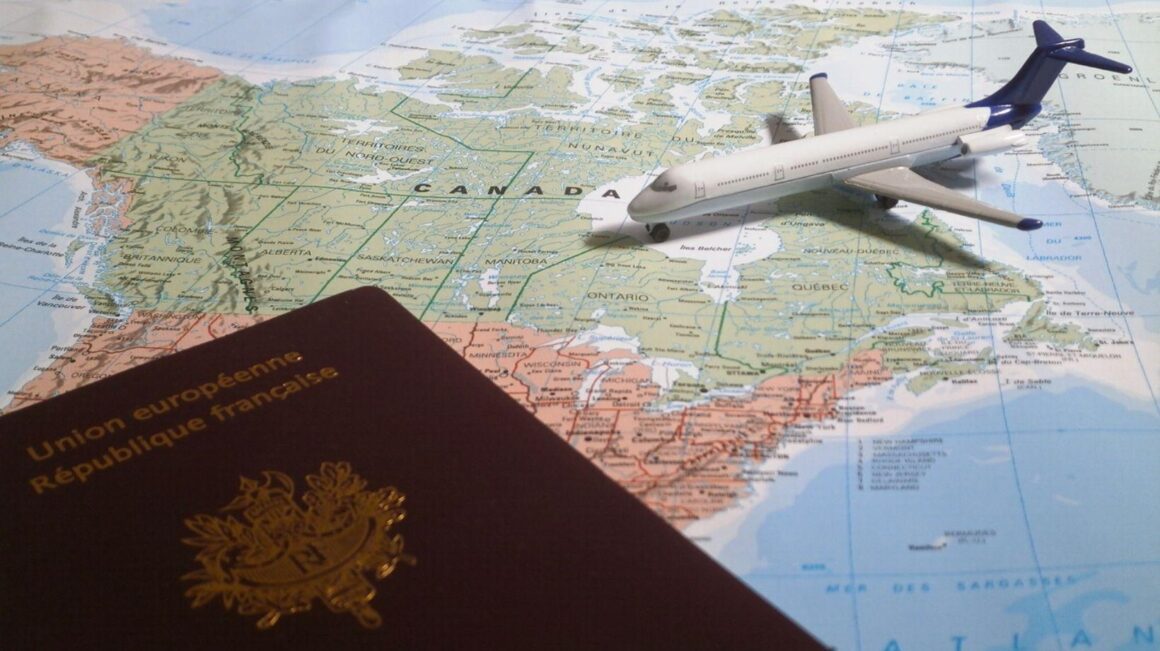
Canada attracts millions of international visitors with its spectacular landscapes, multicultural cities, and remarkable outdoor experiences. From exploring Toronto's neighborhoods to discovering the Rocky Mountains or experiencing Montreal's vibrant cultural scene, the country offers something for nearly every type of traveler.
However, planning a Canadian vacation involves more than booking flights and accommodation. International visitors should understand entry requirements, electronic travel authorizations, seasonal conditions, and transportation logistics before departure. Preparing these details early can help prevent avoidable complications and make the journey more enjoyable.
Understand Canada's Electronic Travel Authorization Requirements
For many international visitors, checking whether an Electronic Travel Authorization (eTA) is required is an essential step. Travelers seeking information about Canada ETA VisaSyst application assistance, eligibility requirements, and how to obtain travel authorization online can review the necessary documents and application steps before departure.
The Canadian eTA is a digital travel authorization linked electronically to a traveler's passport. It is generally required for visa-exempt foreign nationals arriving in Canada by air, although certain nationality-based exceptions and additional eligibility provisions apply.
An approved eTA is typically valid for up to five years or until the passport expires, whichever occurs first. It generally permits multiple short visits, with most visitors allowed to stay for up to six months per entry.
However, an eTA does not guarantee admission. Canadian border officers make the final decision about entry and permitted length of stay.
Travelers should also understand that an eTA differs from a visitor visa. U.S. citizens, for example, generally do not require an eTA, while visitors from many other countries must obtain a visa.
The government eTA application costs CAD $7. Independent assistance providers may charge additional service fees. Applying early is advisable because some applications require additional review.
Choose the Best Time to Visit Canada
Canada's enormous geographical size means that weather conditions can vary dramatically between provinces and territories.
Summer, particularly June through August, is popular for hiking, wildlife watching, and exploring national parks. However, major attractions may become crowded, and accommodation prices can rise during peak travel periods.
Autumn offers colorful foliage, especially in Ontario and Quebec, while winter provides opportunities for skiing, snowboarding, and other snow-based activities.
Spring can be attractive for travelers seeking fewer crowds, although unpredictable weather may affect outdoor plans.
Visitors can consult the best time to visit Canada guide to compare seasonal conditions across different regions.
Choosing the right travel period depends on whether the priority is outdoor adventure, cultural attractions, or experiencing Canada's winter landscapes.
Plan Your Itinerary Around Canada's Size
One of the most common mistakes first-time visitors make is underestimating distances.
Canada is the world's second-largest country by total area, and traveling between major destinations can require several hours by air or multiple days by road.
For example, visiting Toronto, Vancouver, and Banff during a short vacation may involve significant transportation expenses and limited sightseeing time.
Rather than attempting to see everything, visitors should concentrate on one or two regions.
Travelers can explore the Canada travel guide from Rough Guides for destination ideas, regional highlights, and suggested activities.
Eastern Canada is particularly appealing for travelers interested in historic cities, cultural attractions, and Niagara Falls. Western Canada offers mountain scenery, coastal landscapes, and outdoor recreation.
Understand Transportation Options Before Booking
Canada has extensive domestic air connections, rail services, and highway networks, but transportation availability differs considerably between destinations.
Major cities such as Toronto, Montreal, and Vancouver have established public transportation systems, making rental cars unnecessary for many urban itineraries.
However, travelers planning to explore remote natural attractions may benefit from renting a vehicle.
International visitors can review this guide to getting to Canada for information about flights, rail connections, and alternative arrival routes.
When booking transportation, it is important to consider winter driving conditions, potential flight disruptions, and the time required for airport transfers.
Travelers should also check whether they need additional entry documentation when transiting through another country.
Budget for More Than Flights and Hotels
Canada can be an expensive destination, especially during peak tourism periods.
Accommodation, domestic flights, restaurant meals, and organized excursions may represent substantial expenses.
Visitors can reduce costs by booking accommodation early, choosing public transportation where practical, and limiting unnecessary domestic flights.
Smaller cities and destinations outside major tourist areas may offer better value, although transportation costs should also be considered.
Before departure, reviewing essential Canada travel advice can help visitors understand everyday expenses and practical considerations.
Travelers should also account for sales taxes, which vary by province, and customary restaurant tipping practices.
Prepare Essential Documents and Travel Essentials
Organizing important documents before departure helps reduce complications during airline check-in and immigration procedures.
A practical travel checklist includes:
Travelers should also check mobile roaming options, currency exchange arrangements, and weather forecasts before leaving.
Those planning outdoor activities should research safety conditions and pack clothing suitable for rapidly changing temperatures.
Make Your Canadian Adventure Stress-Free
Visiting Canada offers opportunities to experience spectacular natural scenery, diverse communities, and unforgettable cultural attractions.
A successful journey begins with understanding entry requirements, choosing appropriate travel dates, and developing a realistic itinerary.
By preparing travel documents in advance, allowing sufficient time for transportation, and budgeting carefully, visitors can minimize unnecessary stress.
With these arrangements completed, travelers can focus on discovering Canada's landscapes, cities, and distinctive regional experiences.