
Travel planning has a strange habit of becoming a second job. You open twelve tabs on your laptop, shortlist three hotels, and make an itinerary. But no one bothers to check it on time and finalize a decision. It is a common story.
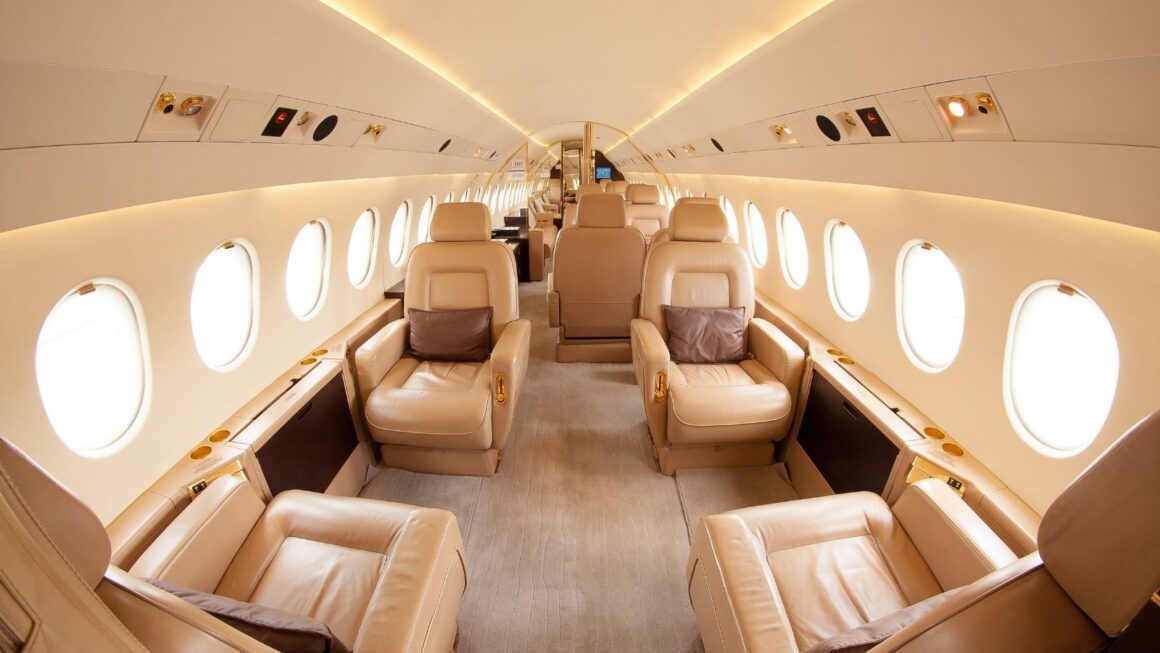
And the same situation repeats for travelers who are considering a UAE private jet charter. But the temptation here is even stronger because it is a precise mode of transportation and so should be every hour of the trip.
Now, that leads to the question: how do you plan a high-comfort trip? Let’s find out.
Planning a High-comfort Trip without Overplanning It
Planning a comfortable trip is all about creating a solid yet flexible framework. It is one that brings structure to the conversation while maintaining room for sudden changes. So, here are some tips for how to go about the job:
Start With the Shape of the Trip
Before booking restaurants, guides, or transfers, sketch the trip in broad strokes like arrival day, the major experiences, and departure day. This is your trip skeleton, and everything else can work loosely around it.
This approach sounds almost too simple, yet it prevents a common mistake: treating every destination as a collection of appointments rather than a place with its own pace.
A useful plan answers practical questions first. How tired will everyone be after arrival? Which activities depend on the weather? What cannot be moved without losing money? The answers reveal where the structure matters. Usually, fewer moments need harder commitments than expected.
Separate Fixed Decisions from Flexible Ones
Not all reservations deserve equal weight. Some protect the trip while others quietly squeeze it. That’s why sort each choice by consequence rather than excitement and ask what happens if it remains unbooked, sells out, or moves by several hours.
This quick test exposes the decisions that need early attention and the ones that can remain pleasantly unresolved.
| Planning Layer | Book Early | Keep Flexible |
| Transportation | Long-haul travel and critical transfers | Short local rides |
| Accommodation | First night and high demand stays | Optional extensions |
| Experiences | Limited-entry tours and major events | Markets, walks, and casual dining |
| Downtime | A protected open block | The exact way it gets used |
Here, the open block matters more than people think because it creates space for a late breakfast, an unexpected invitation, or simply a quiet afternoon after several active days. While none of that comes well in photographs, it often becomes part of the trip that everyone remembers.
Use Time Windows, Not Minute-by-Minute Schedules
A time window gives direction without turning the day brittle. Instead of scheduling lunch at 12:30, a gallery at 2:00, and shopping at 4:15, group them into a single afternoon area. This is particularly useful for groups.
Here, it is important to remember that different energy levels are not a planning failure. They are normal. One person wants the early hike; another needs a slow morning. So, build one shared anchor into the day and let smaller choices split naturally around it. Oddly enough, people enjoy the shared experience more when they have not been together every waking hour.
Budget for Friction, Not Just Luxury
A comfortable budget should account for inconvenience. So, think about last-minute route changes, luggage storage, private transfer after a delayed arrival, or a second room when someone needs space.
These are not glamorous purchases. Still, they can rescue the mood faster than another premium dinner. That’s why setting aside an unassigned flexibility fund gives the trip a useful pressure valve.
A sensible spending hierarchy looks like this:
- Protect sleep, reliable transportation, and essential access first.
- Spend more where convenience removes repeated friction.
- Leave novelty purchases until the trip is actually underway.
There is a real difference between paying for comfort and paying for decoration. Comfort preserves time, energy, privacy, or rest, whereas decoration may only make the itinerary look impressive. The distinction is not always obvious during booking, so ask a blunt question: Will this upgrade change the day, or merely change how the reservation appears?
Read the Day While You Are in It
Even a well-built plan needs editing on the ground. Weather changes, a neighborhood feels interesting, or someone may wake up tired, and that’s why take five minutes each morning and ask what still makes sense.
Based on the feedback, keep the best part and move or drop the rest without a ceremony. Because good travel judgment appears in how calmly the plan changes, not in how many reservations were secured.
The Best Itinerary Leaves Something Unclaimed
A high-comfort trip does not need to be crowded to feel valuable. It needs dependable logistics, a few carefully chosen anchors, and enough unclaimed time for the destination to interrupt the plan. So, plan the difficult pieces, protect the rest, and keep money available for friction. Then loosen your grip a little. As a result, the itinerary may look less impressive on paper, but in real life, it will probably work much better.