
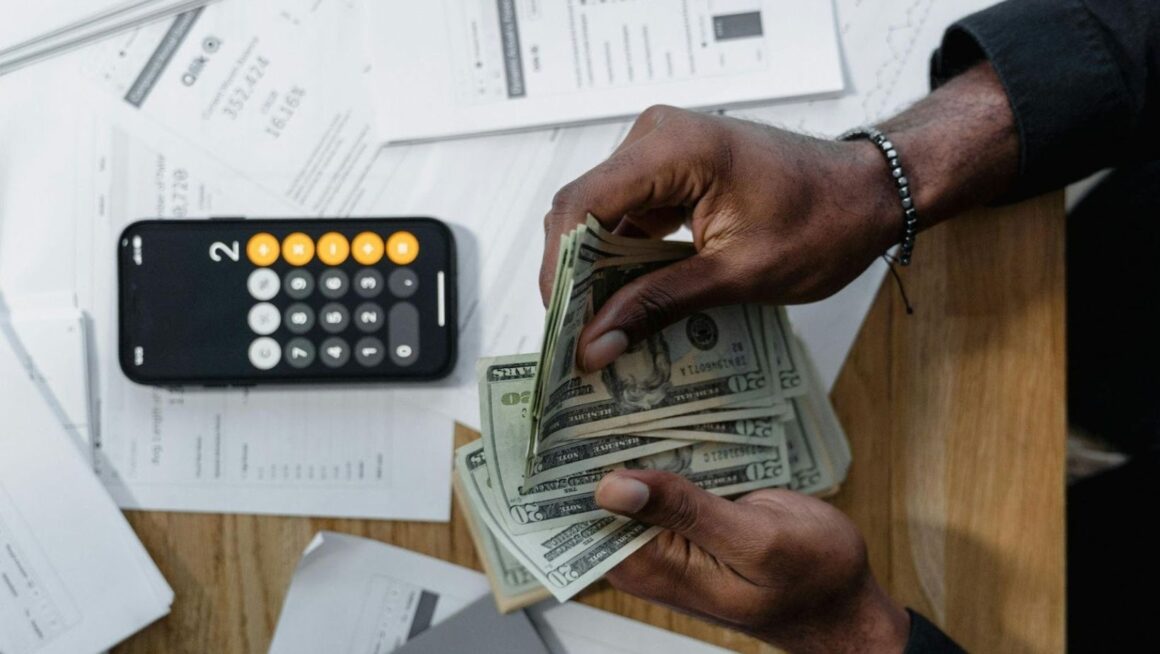
Traveling abroad can feel simple when you can tap your card, but it’s not always that straightforward. Behind each transaction are currency conversions, added fees, and payment options that can change how much you actually spend. Many travelers only notice this after reviewing their statements at home, when some purchases end up costing more than expected. This can be frustrating, especially when you thought you were staying within budget.
Managing your credit cards while traveling becomes essential for avoiding these surprises. With a bit of preparation before your trip, it’s possible to reduce extra costs and stay in control. Understanding how to use your cards across different currencies can help you spend more efficiently and keep your budget on track.
Choose the Right Cards Before You Travel
Credit card management starts with choosing the right cards before your trip. Not all credit cards are designed for international use, and some come with extra charges that can quietly add up over time. Choosing a card with no foreign transaction fees is one of the easiest ways to avoid these additional costs while traveling. Over the course of a trip, even small savings can add up and make a noticeable difference.
Many travel-focused cards also offer additional perks that make your trip more convenient. These can include earning points on purchases, travel insurance coverage, or access to airport lounges. It is also important to think beyond just one card. Relying on a single card can be risky, especially if it gets declined, flagged for suspicious activity, or is not accepted in certain places. Bringing cards from different networks gives you more flexibility and reduces the risk of payment issues while traveling.
Set Travel Notifications
Informing your bank about your travel plans helps prevent your credit card from being flagged for unusual activity. When transactions suddenly appear from another country, banks may treat them as suspicious and temporarily block your card. Unexpected blocks can be inconvenient, especially if you rely on your card for most of your spending.
You can call your bank or set a travel notice through your mobile app or online account before you leave. Providing your destination and travel dates helps your bank recognize legitimate transactions while you are abroad. Taking a few minutes to do this can help ensure your card works smoothly throughout your trip.
Understanding Currency Conversion Processes
When you use your credit card in another country, your payment is usually converted from the local currency into your home currency. That means the amount you see at checkout may not match the amount that appears on your statement. The conversion happens behind the scenes, and the final amount can vary depending on your card network and bank.
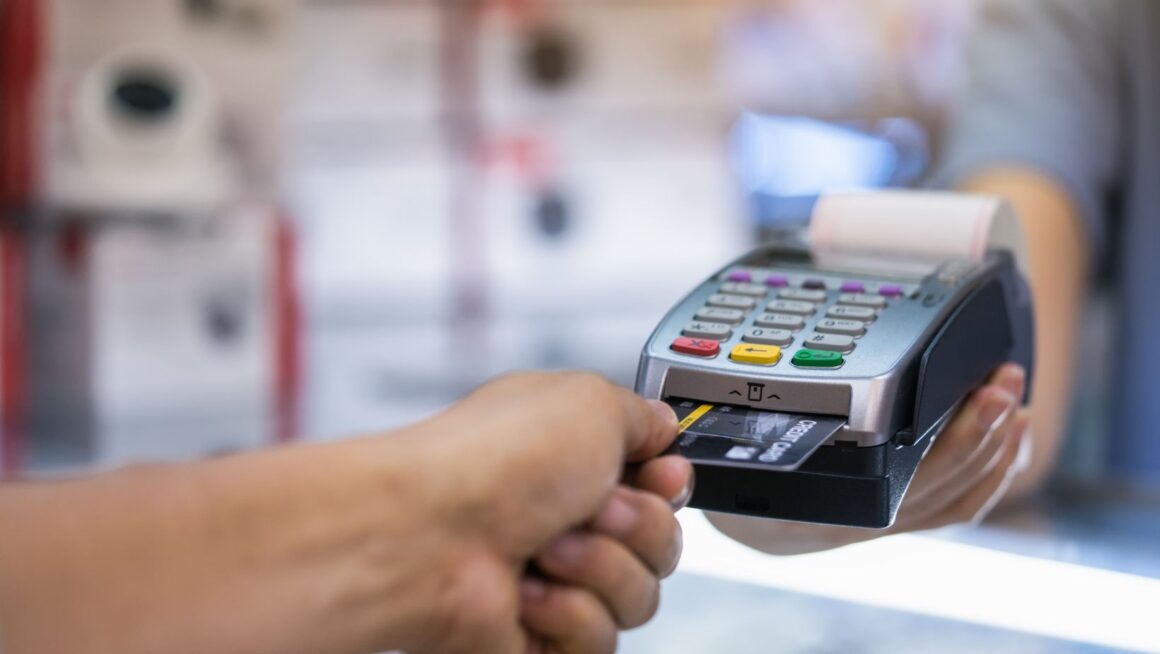
There are different ways this conversion can happen, and not all of them are equal. Sometimes, your bank or card network handles the conversion, which is usually based on market rates. In other cases, a merchant may offer to charge you in your home currency, but this often includes an added markup. Having at least a basic knowledge of how this works can help you avoid extra costs and make better payment choices while traveling.
Download Banking Apps
Having your banking apps installed before your trip makes it much easier to manage your money while traveling. These apps provide quick access to your accounts, making it easy to check balances and review transactions at any time. This is especially useful when managing multiple currencies and keeping track of spending.
Credit card apps also add an extra layer of security while you are abroad. You can receive instant purchase alerts, quickly spot unusual activity, and take action if something looks wrong. Many apps also allow you to temporarily lock your card, which can be useful if it is lost or misplaced.
Use Multi-Currency Digital Wallets
Multi-currency digital wallets make it easier to manage money across different countries. Platforms like Wise and Revolut allow you to hold balances in multiple currencies at the same time, so you do not always have to rely on your credit card for conversions. It gives you more control over how you store and spend your money while traveling.
You can also convert funds in advance when conditions are more favorable and keep them in the currency you plan to use. Spending directly from that balance with a linked card helps you avoid multiple conversions per transaction. Having this option adds flexibility and can make your day-to-day spending more predictable while abroad.
Travel Smarter, Spend Smarter
Travel feels a lot more enjoyable when you are not constantly thinking about money or worrying about unexpected charges. With the right habits in place, simple choices like how you pay or which card you use can make a real difference.
As a result, feeling in control of your finances lets you focus more on the experience and less on the details. Even in unfamiliar places, a bit of awareness goes a long way when dealing with different systems and currencies. In the end, good money habits help you travel with more ease and confidence.