
For travellers who have already explored the world's most familiar holiday destinations, the greatest luxury can be finding somewhere that still feels undiscovered.
Remote islands, quiet coastlines and communities far removed from mass tourism offer a different kind of escape, where the landscape takes centre stage and experiences feel more personal.
Reaching these places often requires additional planning, but the rewards can be considerable. From wildlife-rich archipelagos to isolated Mediterranean islands, these five destinations demonstrate why travelling further can lead to some of the most memorable adventures.
1. The Marquesas Islands, French Polynesia
Located in the South Pacific, the Marquesas Islands sit far from the better-known resort destinations of Bora Bora and Moorea. Their dramatic volcanic peaks, deep valleys and rugged coastlines create a landscape that feels worlds away from the familiar image of tropical paradise.
The islands offer opportunities to discover archaeological sites, traditional Polynesian culture and remarkable natural scenery. Hikers can explore routes through forested valleys, while visitors can learn about local crafts, woodcarving and tattooing traditions.
Reaching the Marquesas requires a longer journey than visiting French Polynesia's main tourist hubs, making thoughtful planning essential. Travellers should respect local customs, use knowledgeable local guides and support community-run businesses. Wildlife encounters should also be approached responsibly, particularly where marine mammals and nesting seabirds are concerned.
For those willing to venture further into the Pacific, the Marquesas provide a compelling combination of cultural discovery and extraordinary landscapes.
2. The Lofoten Islands, Norway
Rising dramatically from the Norwegian Sea, the Lofoten Islands are known for their jagged mountains, sheltered fishing villages and beaches framed by Arctic scenery. Despite their growing popularity, quieter corners of the archipelago still reward travellers who venture beyond the main settlements.
Summer brings long daylight hours, making it ideal for hiking, kayaking and exploring the coastline. In winter, the landscape takes on a different character, with snow-covered peaks and opportunities to witness the Northern Lights when conditions are favourable.
Local fishing traditions remain central to life in the islands. Visiting small harbours, sampling regional seafood and learning about the history of cod fishing offer valuable insight beyond the scenery.
Responsible travel here means respecting private property, following marked trails and avoiding disturbance to wildlife. Travellers should also plan around changeable weather and the limited capacity of smaller communities. Visiting outside the busiest periods can help distribute tourism more evenly throughout the year.
3. The Azores, Portugal
Situated in the Atlantic Ocean, the Azores offer a refreshing alternative to Europe's more crowded island destinations. This volcanic archipelago combines crater lakes, geothermal springs, green pastures and dramatic coastal cliffs, with each island possessing its own character.
São Miguel is known for its volcanic landscapes and botanical gardens, while Pico is distinguished by its mountain and long-established wine-growing traditions. On Flores, waterfalls tumble through lush valleys, creating some of the archipelago's most striking scenery.
Outdoor activities are a major attraction. Travellers can hike volcanic trails, explore coastal villages and join specialist operators for marine wildlife excursions. The waters surrounding the islands support a diverse range of whale and dolphin species, although sightings are never guaranteed.
To experience the Azores responsibly, choose licensed wildlife operators, follow local conservation guidance and avoid disturbing animals for photographs. Supporting independent accommodation providers and restaurants also helps ensure tourism benefits local communities.
The islands are particularly rewarding for travellers who prefer nature, walking and cultural experiences to large resorts or heavily developed beach destinations.
4. The Raja Ampat Islands, Indonesia
Off the coast of West Papua, Raja Ampat is an extraordinary archipelago of limestone islands, turquoise lagoons and some of the world's most biodiverse marine environments. Its relative remoteness has helped preserve an exceptional underwater ecosystem, making it a remarkable destination for divers and nature enthusiasts.
Days here might involve snorkelling above colourful coral reefs, kayaking between forested islands or visiting small coastal communities. Above the water, the scenery is equally impressive, with panoramic viewpoints overlooking clusters of green islands scattered across the sea.
Reaching Raja Ampat typically involves several connections, followed by boat transfers. The additional journey makes advance planning important, particularly when coordinating accommodation and transport between islands.
Its marine environment requires careful protection. Visitors should avoid touching coral, use reef-conscious practices and follow local rules governing protected areas. Choosing locally operated accommodation and excursions can also support communities whose livelihoods are closely connected to the surrounding environment.
For travellers seeking a destination where nature is the main attraction, Raja Ampat offers an experience that feels genuinely distinctive.
5. The Kornati Islands, Croatia
While Croatia's Dalmatian coast attracts considerable summer attention, the Kornati archipelago offers a more understated alternative. This collection of islands and islets is characterised by pale limestone landscapes, clear water and a strikingly rugged coastline.
Much of the archipelago falls within a national park, making it particularly appealing to travellers interested in sailing, swimming and exploring relatively undeveloped landscapes. Rather than busy promenades and large resorts, the experience centres on quiet anchorages, simple waterfront restaurants and time spent on the water.
The islands are well suited to exploration by boat, although access and activities are subject to national park regulations. Visitors should use authorised mooring facilities, avoid damaging fragile seabeds and take all rubbish back with them.
Travelling outside the busiest summer weeks can provide a quieter experience while helping reduce pressure on popular anchorages. It also allows more time to appreciate the Adriatic's natural beauty without rushing between destinations.
Why Remote Travel Is Worth the Extra Effort
The appeal of remote destinations extends beyond their scenery. They encourage travellers to slow down, engage with local cultures and appreciate environments that remain relatively untouched by mass tourism.
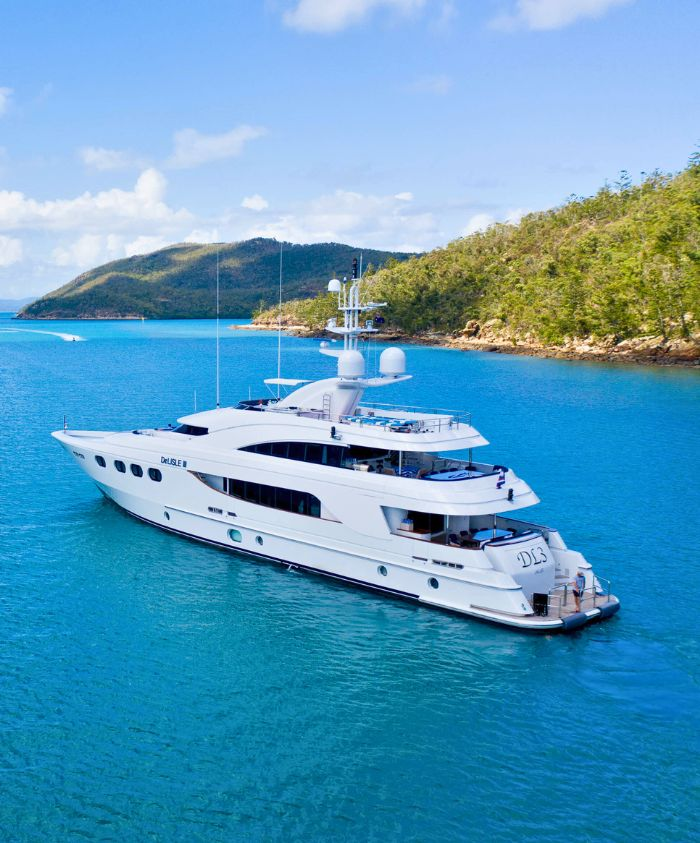
Experiences such as these are increasingly central to ultra-luxury yachting experiences, where the emphasis can be on meaningful exploration, privacy and access to remarkable places rather than simply onboard amenities.
However, remoteness brings responsibility. Careful preparation, respect for local communities and an understanding of environmental sensitivities are essential to ensuring these destinations remain special.
Ultimately, the most rewarding journeys are not always those that take travellers the furthest. They are the ones that offer a genuine connection with a place, leaving visitors with a deeper appreciation of its people, landscapes and natural heritage.