
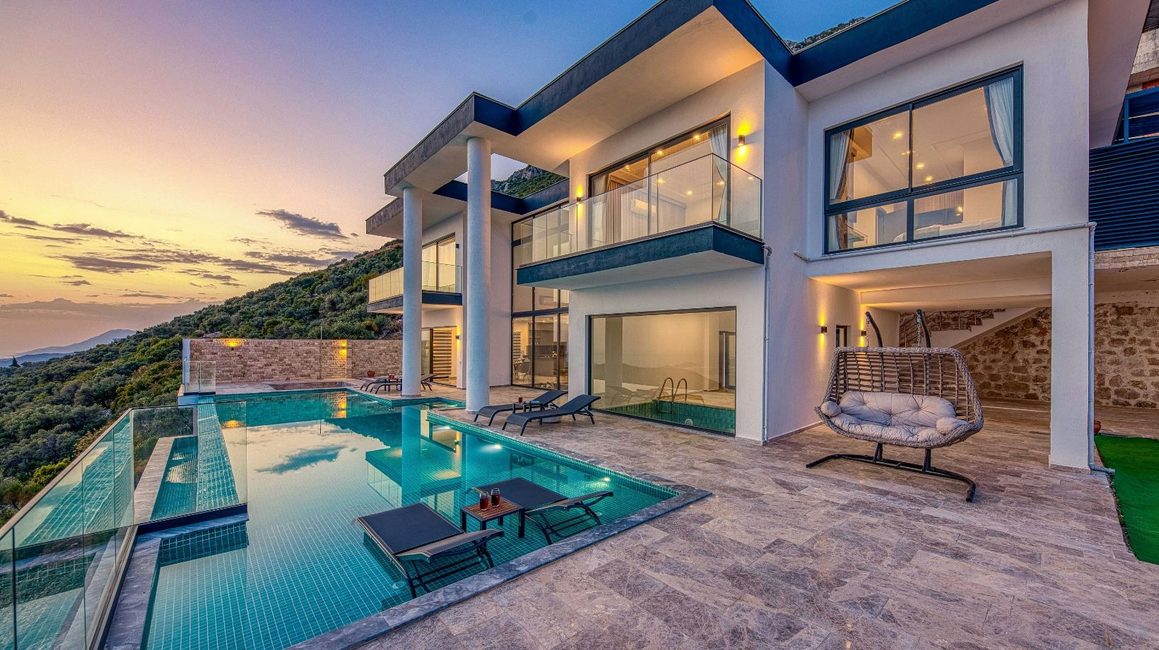
Picture a stone farmhouse on a hillside, a pool overlooking olive groves, and a long wooden table set for dinner under the stars. For a growing number of travelers, that scene is the whole point of a trip to Italy. Instead of juggling several hotel rooms, families and groups of friends are booking private villas, where everyone shares the same roof but still has room to breathe.
Renting a villa is a very different experience from checking into a hotel, though, and a little homework goes a long way. Whether you’re planning a milestone birthday, a family reunion, or simply a slower kind of vacation, here’s what to consider before you commit.
Why Travelers Are Choosing Villas Over Hotels
The shift toward villa stays isn’t just about picture-perfect views. It comes down to space, privacy, and value:
- More space per dollar: when a group of 8 to 12 people splits the cost, a villa often compares favorably with booking multiple hotel rooms.
- Shared living areas: kitchens, terraces, and gardens make it easy to spend time together, something a hotel lobby rarely offers.
- Your own schedule: breakfast at 10, a swim at midnight, dinner whenever the grill is ready.
- Real privacy: no crowded pool deck and no hallway noise.
Multigenerational trips benefit the most. Grandparents can rest in a quiet wing while the kids spend the afternoon in the pool, and everyone comes together again for dinner.
Choosing the Right Region
Italy offers villas everywhere from the Amalfi Coast to the shores of Lake Como, but Tuscany remains the classic choice, and for good reason. The region combines world-famous art cities, rolling vineyards, medieval hill towns, and a food culture built around local, seasonal ingredients. Each corner of the region has its own personality, from the coast to the vineyards to the quiet hills.
Why Lucca Deserves a Closer Look
Many first-time visitors default to Florence or the Chianti hills, but the countryside around Lucca deserves serious consideration. The city is famous for its intact 16th-century walls, now a tree-lined promenade you can walk or bike in about an hour. Pisa’s international airport is roughly 30 minutes away, Florence is about an hour’s drive, and the beaches of the Versilia coast are close enough for an easy day trip.
The hills around the city are dotted with historic estates. If you’re comparing options, Coselli Collection, a family-owned estate just outside town, offers a curated selection of luxury villa rentals in Lucca with private pools, gardens, and concierge services such as private chefs and guided tours. A setting like this gives you rural calm without cutting you off from Tuscany’s headline sights.
When to Go
Spring and Fall
April through early June and September through October are the sweet spots. Temperatures are pleasant, the countryside is either lush green or golden, and you’ll share the sights with fewer crowds. Fall also brings the grape and olive harvests, a highlight for anyone who loves food and wine.
Summer
July and August are peak season. Expect hot afternoons, higher rates, and minimum-stay requirements, often a full week from Saturday to Saturday. If summer is your only window, treat a pool and shaded outdoor dining as essentials rather than extras.
Whatever the season, book early. Large villas that sleep ten or more guests are often reserved nine to twelve months in advance.
Questions to Ask Before You Sign
Listings can look similar online, so a short list of questions helps you compare properties fairly:
- How many bedrooms and bathrooms are there, and are they all in the main house?
- Is there air conditioning in every bedroom? In historic Italian homes, this is not a given.
- What’s included in the rate: linens, cleaning, utilities, Wi-Fi?
- When does the pool open for the season, and is it heated?
- How far are the nearest grocery store, restaurant, and town?
- What are the cancellation policy and security deposit terms?
Understanding Costs and Extras
The Security Deposit
Most villas require a refundable damage deposit, collected either before arrival or at check-in and returned after departure once the property has been inspected.
Tourist Tax and Utilities
Many Italian municipalities charge a small nightly tourist tax per guest, usually paid on site. Some rentals also bill heating or air conditioning separately, especially for off-season stays. Ask for a full cost breakdown in writing so there are no surprises.
Optional Services
A private chef for one or two dinners, a wine tasting hosted at the villa, or a driver for a day in Florence can turn a good trip into an unforgettable one. Build these into your budget from the start rather than adding them as afterthoughts.
Getting There and Getting Around
Most countryside villa stays work best with a car. Keep these practical points in mind:
- Bring an International Driving Permit. If your license was issued outside the EU, Italian law requires one alongside it.
- Watch for ZTL zones. Many historic centers, including Lucca’s walled town, are limited traffic zones. Driving in without authorization triggers fines that can arrive months later, so park outside the walls and walk in.
- Hire a driver for wine days. It’s safer, more relaxing, and often less expensive than you’d expect when split among a group.
Before you go, check the latest entry requirements and local event calendars, since festivals and holidays can affect traffic, parking, and restaurant availability.
Making the Most of Villa Life
A villa stay really shines when you stop treating the house as a base and start living in it like a home. Shop at a local market in the morning, take a cooking class to learn how to make fresh pasta, or open a bottle of Colline Lucchesi wine as the sun goes down over the hills.
Leave room for a couple of “do nothing” days, too. Some of the most memorable moments of an Italian vacation happen by the pool or around the dinner table, not in a museum line.
Plan Ahead, Then Slow Down
Renting a villa in Italy rewards a bit of planning. Choose the right region, travel in the right season, ask clear questions about costs and amenities, and sort out transportation before you land. Do that, and all that’s left is to enjoy long lunches, golden evenings, and the kind of unhurried time with the people you love that’s hard to find anywhere else.