
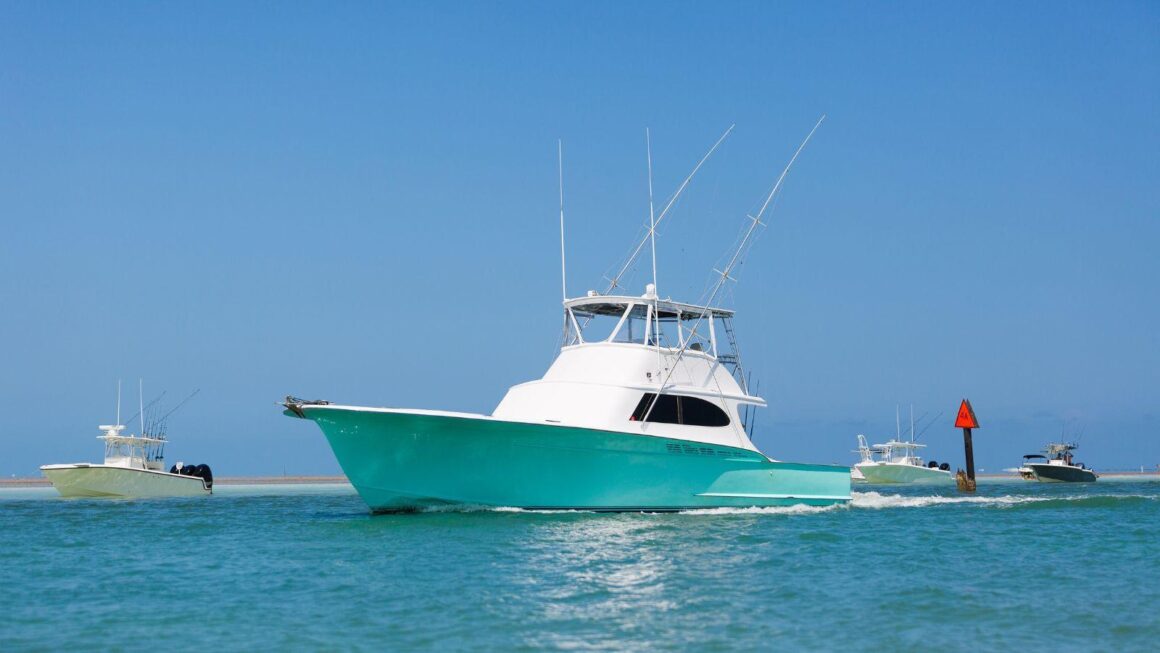
The Florida Keys stretch more than 120 miles from Key Largo down to Key West, connected by a single two-lane highway and a string of bridges that make the drive scenic enough. But anyone who has spent real time in the Keys will tell you the same thing — you are missing the point if you experience this place entirely from a car window.
The water is what the Keys are actually about. The turquoise shallows, the living coral reefs, the sandbars that materialize out of nowhere, the nurse sharks drifting beneath the hull — none of that shows up on a roadside itinerary. The good news is that you don’t need to own a boat, or even know how to captain one, to get out there. Between rentals and guided tours, the Keys offer more ways to get on the water than almost anywhere else in the country.
Rent a Boat or Join a Tour — Which Makes More Sense?
The first call to make is whether you want to rent a vessel and set your own course, or join a guided tour with a captain who knows the water. Both options work, and the right choice depends on your experience level, group size, and what you’re hoping to see.
Going the Self-Rental Route
Renting a boat gives you freedom no tour can match. You set the schedule, pick the anchorages, and stay as long as you want at any given spot. Most rental outfitters in the Keys offer center console boats, pontoons, and skiffs ranging from 19 to 26 feet — practical, manageable vessels built for the area’s mix of shallow backcountry water and open Atlantic passages. Florida does not require a boating license for most recreational renters, but many companies ask you to demonstrate basic boat-handling ability before handing over the keys. If you have open-water experience, that conversation will be short. If you don’t, look into a “captain for hire” arrangement, where a local captain runs the boat while your group enjoys the ride. Key Largo, Islamorada, and Marathon are the most popular rental hubs, each with multiple outfitters and straightforward access to the reef, the backcountry, and open water.
Guided Tours Worth Your Time
A guided tour makes a lot of sense if you’re new to the Keys, traveling with young kids, or simply want local expertise pointing the way. Options range from snorkel trips and glass-bottom boat excursions to full-day ferry rides to Dry Tortugas National Park.
John Pennekamp Coral Reef State Park in Key Largo is the country’s first undersea park, covering roughly 70 nautical square miles. The glass-bottom boat tours out of Pennekamp cruise to Molasses Reef and deliver an above-water view of what’s living below the surface — a genuinely impressive experience even if you never put on a mask. For snorkelers, tours stop at sites like Christ of the Deep and Grecian Rocks, where staghorn coral and parrotfish coexist at depths that are manageable for beginners. Further south, Looe Key National Marine Sanctuary near Big Pine Key is considered one of the finest reef systems in the entire Keys chain, and tour operators out of Marathon and Bahia Honda run regular half-day snorkel trips out there. From Key West, the Yankee Freedom ferry makes daily runs 70 miles offshore to the Dry Tortugas — a remote fortress island surrounded by some of the clearest water you’ll find this side of the open Caribbean.
The Routes That Show You the Real Keys
The Florida Keys don’t need to be explored in a straight line. The most rewarding boating happens when you go sideways — cutting through backcountry mangrove channels on the Gulf side, circling around the Atlantic reef edge, or threading between the patch reefs scattered throughout the chain.
Key Largo and the Upper Keys
Key Largo is the logical starting point for most boaters. The reef runs close to shore and is reachable in fair weather with a moderate-sized rental. Molasses Reef and French Reef are two of the most visited stops — both sitting within a few miles of the coast and offering excellent snorkeling in relatively shallow water. The backcountry on the Gulf side is a completely different environment: calm, shallow, and threaded with mangrove channels that shelter juvenile fish, manatees, and wading birds. A shallow-draft rental or flats skiff can navigate these waters in ways a larger boat simply cannot.
Islamorada
Islamorada carries a reputation as the sportfishing capital of the world, and it earns it. But it’s also one of the best places in the Keys to drop anchor for a swim or idle out to a sandbar. The Islamorada Sandbar draws serious crowds on weekends, with boats rafted together and swimmers standing in knee-deep water that looks like it belongs in the Bahamas. Alligator Lighthouse, sitting roughly seven miles offshore, marks a reef where eagle rays, sea turtles, and reef sharks make regular appearances.
Marathon and Bahia Honda
Boaters see the Seven Mile Bridge differently than road travelers do. From the water, you get the full scale of the structure, and in the clear shallows near the old bridge pilings, nurse sharks and stingrays are easy to spot from above. Bahia Honda State Park, just south of the bridge, sits on one of the few natural sandy beaches in the entire Keys and is a popular overnight anchorage for cruisers working their way down the chain. Looe Key is a short run from Bahia Honda and should be on every snorkeler’s list — the reef here is dense, colorful, and consistently well-rated by divers and snorkelers alike.
Key West
Key West functions as much as a boating culture as it does a city. The harbor runs active all day long, and the water opens up quickly once you clear the marina. Sunset sailing trips depart from the historic seaport every evening, and charter fishing boats are gone well before sunrise. For the more adventurous, the Dry Tortugas are an overnight sail or a long powerboat run to the west — a national park with no roads, no development, and water visibility that hits 80 feet on a clear day. Fort Jefferson, the massive Civil War-era fortress at Garden Key, is worth every nautical mile it takes to get there.
What You’ll Actually See Out There
The marine life in the Florida Keys holds up in person in a way that few destinations do. Dolphin pods are a near-daily occurrence — they follow boats, ride bow waves, and surface close enough to make the whole group reach for their cameras at once. Manatees are common in the calmer backcountry shallows, especially near seagrass beds. Beneath the surface, nurse sharks rest on sandy patches under ledges, eagle rays cruise in the open water column, and sea turtles surface for air near the patch reefs with surprising regularity. On the reef itself, the density of fish life is remarkable — parrotfish, French angelfish, grouper, snapper, and moray eels occupy every crevice and coral head. Hammerhead sharks patrol the deeper reef edges and, while they’re not an everyday sighting, spotting one from the boat is the kind of moment people describe for the rest of the trip.
What to Look for When Booking a Vessel
The condition and quality of the boat matters more in the Florida Keys than in calmer destinations. The water between islands can turn choppy fast, and open crossings expose you to Atlantic swells on one side and Gulf chop on the other.
When evaluating a rental company, look for a fleet that appears genuinely well-maintained, with GPS chart plotters pre-loaded with local waypoints and shallow-water hazards already marked. A good rental operator will walk you through the GPS before you leave the dock, point out areas to avoid, and hand you a physical map or guide booklet covering nearby snorkel sites, anchorages, and waterfront restaurants. Ask how recently the engine was serviced — any reputable company should be able to answer that without hesitation.
If you’re renting a motorboat for the day, it’s worth knowing whether it has trim tabs installed — they allow you to adjust the running angle of the hull, which makes a noticeable difference in ride comfort when you’re bouncing across choppy open water between keys. It’s a small detail that gets overlooked in the booking process, but on a longer crossing to a reef or anchorage, you’ll feel it.
For guided tours, read recent reviews and prioritize operators with small group sizes. A boat carrying 40 passengers delivers a fundamentally different experience than a smaller vessel with a captain who can actually slow down, point out a spotted eagle ray, and give you a minute to watch it pass. Any certified tour operator worth booking will also provide reef-safe sunscreen and proper snorkel equipment — skip anyone who doesn’t make coral protection part of the conversation.
Before You Head Out
The Florida Keys operate under a specific set of marine rules, and they’re enforced. Near coral, you must use mooring buoys rather than dropping anchor — anchoring directly on or near the reef is prohibited across most of the Keys, and marine patrol is active year-round. The Florida Fish and Wildlife Conservation Commission oversees these regulations, and the fines are not symbolic.
Weather is a genuine factor between May and October. Afternoon storms build fast, and what starts as a clear morning can put a wall of dark clouds on the western horizon by early afternoon. Check NOAA marine forecasts before you leave the dock, and don’t ignore what you see building in the sky. The locals don’t underestimate Keys squalls, and neither should you.
- Download a charting app like Navionics before your trip — it shows real-time depth data and helps you identify the shallow areas that can ground a boat with even a modest draft
- Bring reef-safe sunscreen, polarized sunglasses, and more drinking water than you think you’ll need — the sun reflecting off open water is significantly more punishing than on land
- If you’re heading to a popular sandbar or anchorage on a weekend, plan to arrive early — spots fill up quickly from November through April
The Florida Keys are one of the few places in the country where the water defines the destination, not the land. Getting on a boat — whether it’s a rented center console for the day, a glass-bottom tour out of Key Largo, or a ferry ride to the Dry Tortugas — is the single best call you can make on a Keys trip. The highway will still be there when you get back.