
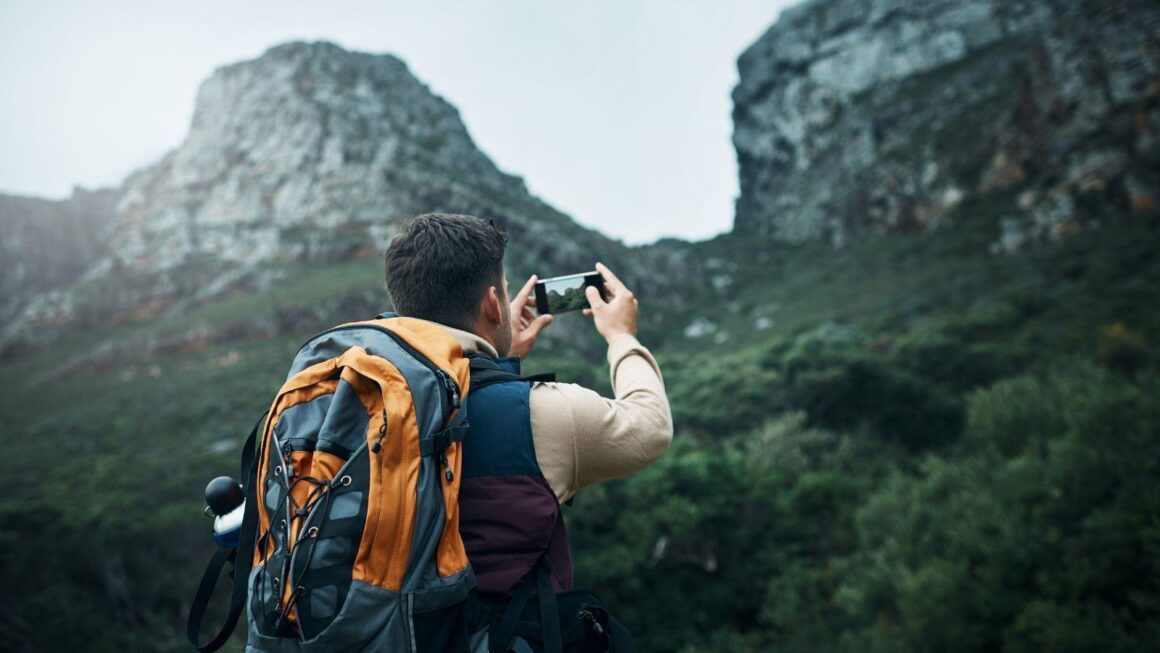
There's no shortage of so-called "unique" travel experiences out there. Glass igloos, desert camps, themed hotels, novelty tours, the modern travel landscape is bursting with options that promise something different. But honestly, a lot of them don't deliver anything that actually stays with you. Some feel more like a box-ticking exercise than a genuine way to get under the skin of a destination. For travellers who want to spend their time wisely, the real challenge is separating the memorable from the merely marketable. One example that regularly comes up for the right reasons is a Norwegian Fjords cruise, an experience where the appeal runs deeper than novelty alone.
What Makes an Experience "Worth It"?
A genuinely unusual travel experience earns its place when it leaves a mark. Something that you're still thinking about weeks after you've unpacked. That tends to come down to a handful of things: authenticity, atmosphere, and whether you actually feel connected to the place you're visiting.
Experiences built entirely around novelty often feel hollow once the excitement settles. They look great in photos, and the idea of them sounds brilliant, but there's not much substance underneath. The ones worth your time tend to have a stronger sense of place. They let you engage with your surroundings in a meaningful way, whether that's through the landscape, the local culture, or simply the nature of the journey itself.
It's a distinction that matters. Choosing something with real depth over something superficially exciting can be the difference between a holiday that vanishes from memory and one that genuinely enriches you.
The Difference Between Gimmicks and Genuine Experiences
"Travel gimmick" gets thrown around a lot, and for good reason. Plenty of attractions and activities are designed first and foremost to grab attention, unusual places to stay, one-off experiences marketed heavily as once-in-a-lifetime. There's nothing wrong with trying something out of the ordinary. The problem is when the novelty is the whole point.
A decent way to sense-check any experience is to ask what it actually offers beyond the initial hook. Does it give you any real insight into where you are? Does it let you connect with the environment in some way? Or is it essentially just a story to tell?
Experiences with genuine value tend to hold up under that kind of scrutiny. They might still be unusual, that's not the issue, but they're grounded in something more substantial. Natural beauty, cultural significance, a distinctive or unhurried way of travelling.
Landscapes That Speak for Themselves
One of the most reliable ways to make sure you're investing your time in something worthwhile is to prioritise places where the landscape does the heavy lifting. Natural environments offer a kind of authenticity that simply can't be manufactured.
Where the geography is dramatic, fjords, mountain ranges, wild coastlines, the surroundings are the experience. There's no need for added theatrics or elaborate setups. The setting is enough.
Being immersed in landscapes like that, rather than observing them from afar, makes a real difference. The scale and character of a place land very differently when you're actually inside it.
The Value of Perspective
How you experience a destination matters just as much as where you go. A different vantage point can completely shift your relationship with a place.
Travelling by water is a good example of this. The landscape reveals itself gradually, new views appearing around each bend, details emerging slowly over time. There's a continuous sense of discovery that keeps the experience feeling alive and cohesive.
It also feels more natural than jumping between fixed points. The journey itself becomes part of what you're there for, with the scenery as a constant, changing backdrop rather than a series of destinations to tick off.
Experiences That Encourage Slower Travel
Most of the travel experiences that genuinely stay with people have something in common: they don't rush you. Rather than sprinting between attractions, they give you time to actually look, reflect, and take things in.
Slower travel isn't about doing less, it's about experiencing things differently. You notice more. Subtle shifts in the landscape, the particular mood of a place at a certain time of day, details that disappear entirely when you're moving too quickly.
There's also something to be said for how you feel afterwards. Slower, more considered trips tend to leave people genuinely refreshed rather than in need of a recovery holiday.
Avoiding the Trap of Overhyped Experiences
With so many travel ideas bouncing around online, it's easy to get swept up in something that turns out to be deeply underwhelming in person. Social media is particularly good at building expectations that reality can't quite match.
A useful habit is to look past the initial excitement and think about the whole experience. Will it still feel worthwhile once the first few minutes have passed? Does it actually help you understand a place, or is it purely about how it looks?
Those questions tend to cut through the noise fairly quickly.
Finding a Balance Between Novelty and Substance
None of this is an argument against doing something unusual. Trying something new is often one of the best parts of travelling, and there's real pleasure in being somewhere or doing something you've never encountered before. The trick is making sure there's something more to it than the novelty itself.
The experiences that tend to work best combine both. They feel different, but they also offer depth and context. That combination is what keeps them interesting beyond the first impression.
A journey that introduces you to unfamiliar landscapes whilst also allowing you to spend real time within them, for instance, is going to leave a far stronger impression than something designed purely for spectacle.
The Role of Personal Preference
It's worth acknowledging that what makes any experience worthwhile is, to some extent, personal. Some people genuinely enjoy novelty for its own sake, and that's a perfectly valid way to travel. Others find more satisfaction in slower, more traditional forms of exploration.
Knowing which camp you fall into is genuinely useful. If you value authenticity, natural settings, or a more unhurried pace, gravitating towards experiences that reflect those priorities will almost certainly lead somewhere good.
That said, staying open to new ideas often throws up unexpected discoveries. Curiosity is worth holding onto, just tempered with a bit of honest consideration about what's actually being offered.
Choosing Experiences That Last
The travel experiences that really matter are the ones that stay with you. They're not always the most talked-about, or the ones generating the most content online. But they offer something that lingers, a sense of connection, a shift in perspective, a moment that somehow stands apart from everything else.
Focusing on substance over surface appeal makes those experiences easier to find. They're the moments that define how a trip is remembered, sometimes years down the line.
There are more travel options available now than ever before, which is brilliant, but it does make choosing carefully more important, not less. Rather than chasing novelty for its own sake, looking for experiences with real depth and authenticity is a far better use of your time away.