
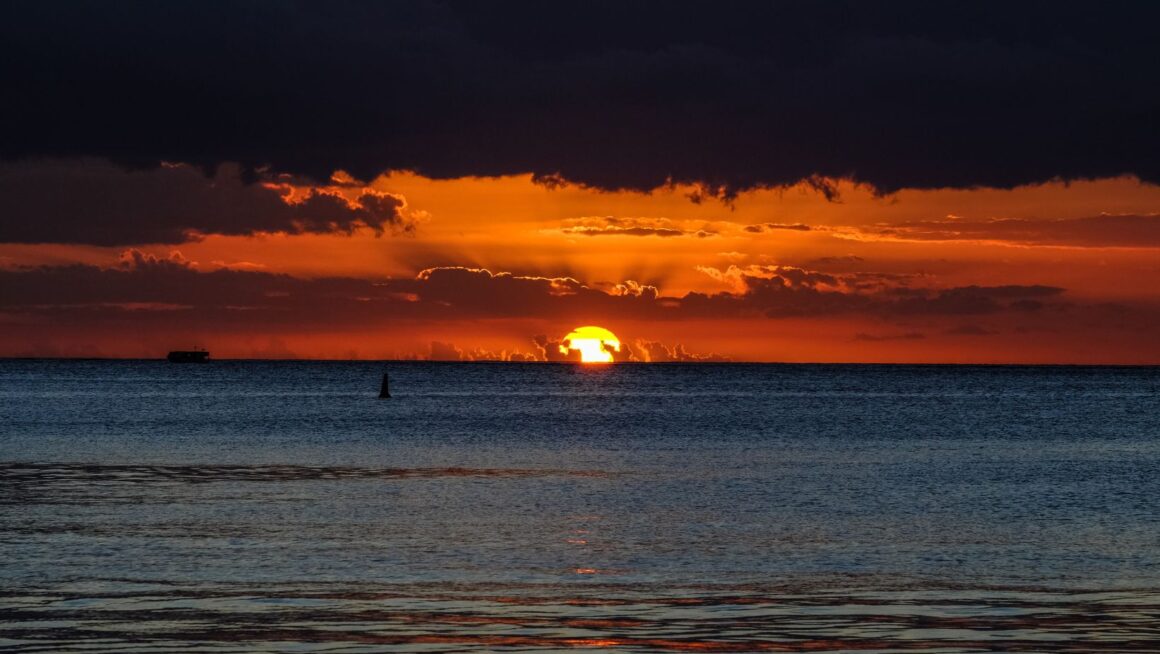
Heat Above the Platform
Along the western edge of the Kingdom, the air carries a particular brightness. It settles on concrete, on steel, on the pale façades of stations built to hold movement without appearing rushed.
The Red Sea lies not far beyond the urban grid, though it does not announce itself loudly. Instead, light reflects off glass panels and long platforms that seem designed for clarity more than ornament. The architecture feels wide, measured, open to sky.
Inside the terminal, footsteps echo briefly before dissolving into conditioned air. Screens glow quietly. Luggage wheels trace faint lines across polished floors.
Nothing feels improvised. The rhythm is already established before the train arrives.
North Through Open Land
Later, as the Mecca to Medina by train leaves the dense outskirts of the holy city and moves into stretches of desert that appear almost uninterrupted, the sense of enclosure gives way to horizon.
Inside the carriage, the hum remains constant. Seats align in calm repetition. Outside, sand shifts in subtle tones — beige, pale gold, occasional darker bands where rock surfaces through.
The land does not change quickly. It expands.
Low hills gather in the distance, then flatten again. Sunlight presses downward in steady measure. The train continues without visible strain, cutting across terrain that feels ancient and unaltered.
The motion becomes meditative.
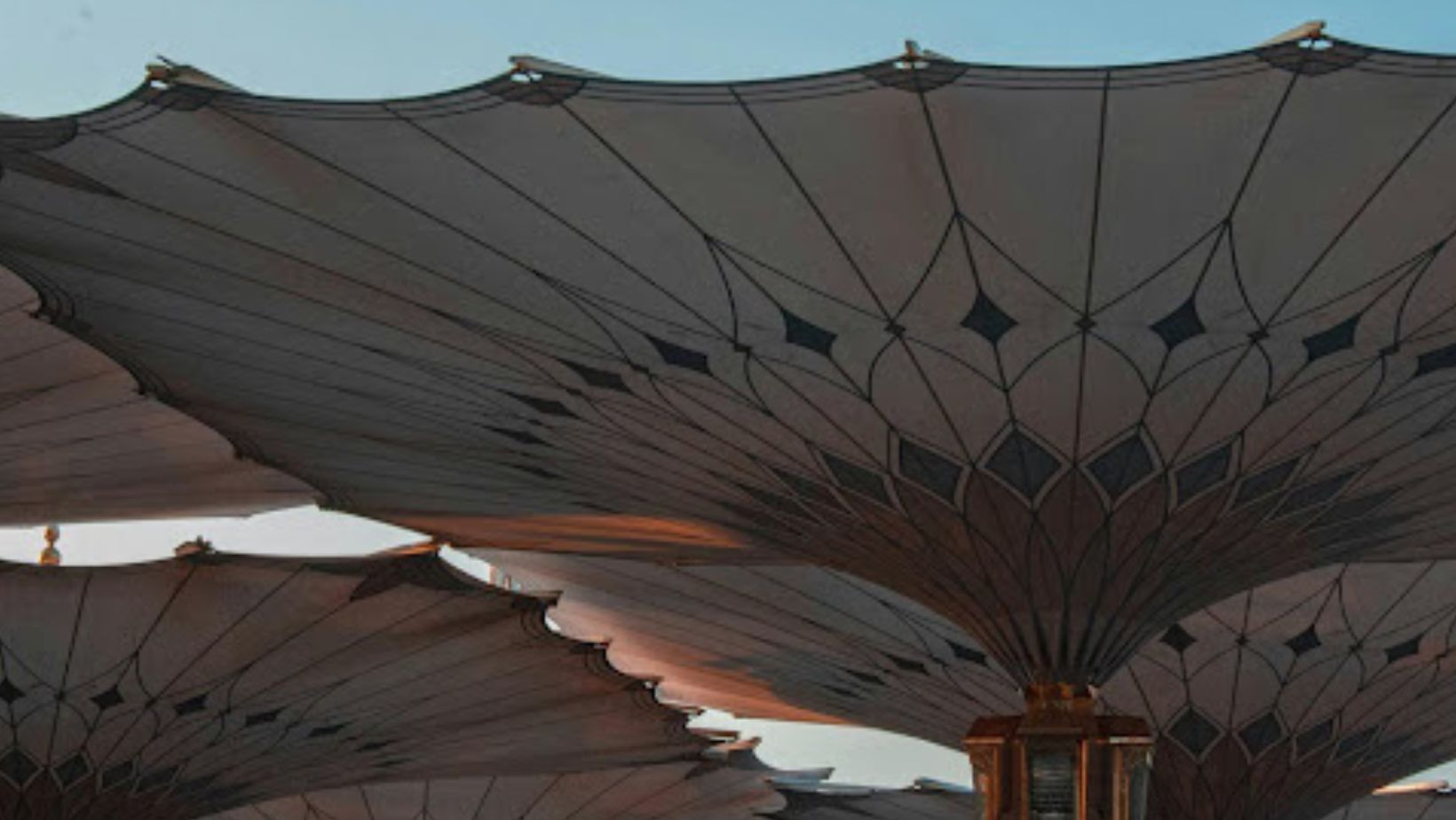
Return Along the Same Line
On the journey back, the train from Medina to Mecca retraces the same corridor, though the landscape feels slightly altered in reverse. What seemed distant now appears nearer. The desert’s openness feels less vast and more familiar.
Medina’s station sits with quiet precision, its geometry reflecting light differently than Mecca’s busier approach. Beyond the windows, palm groves interrupt the desert in measured intervals.
Inside, conversation lowers as departure time approaches. Outside, the horizon remains steady.
The line holds firm between the two cities.
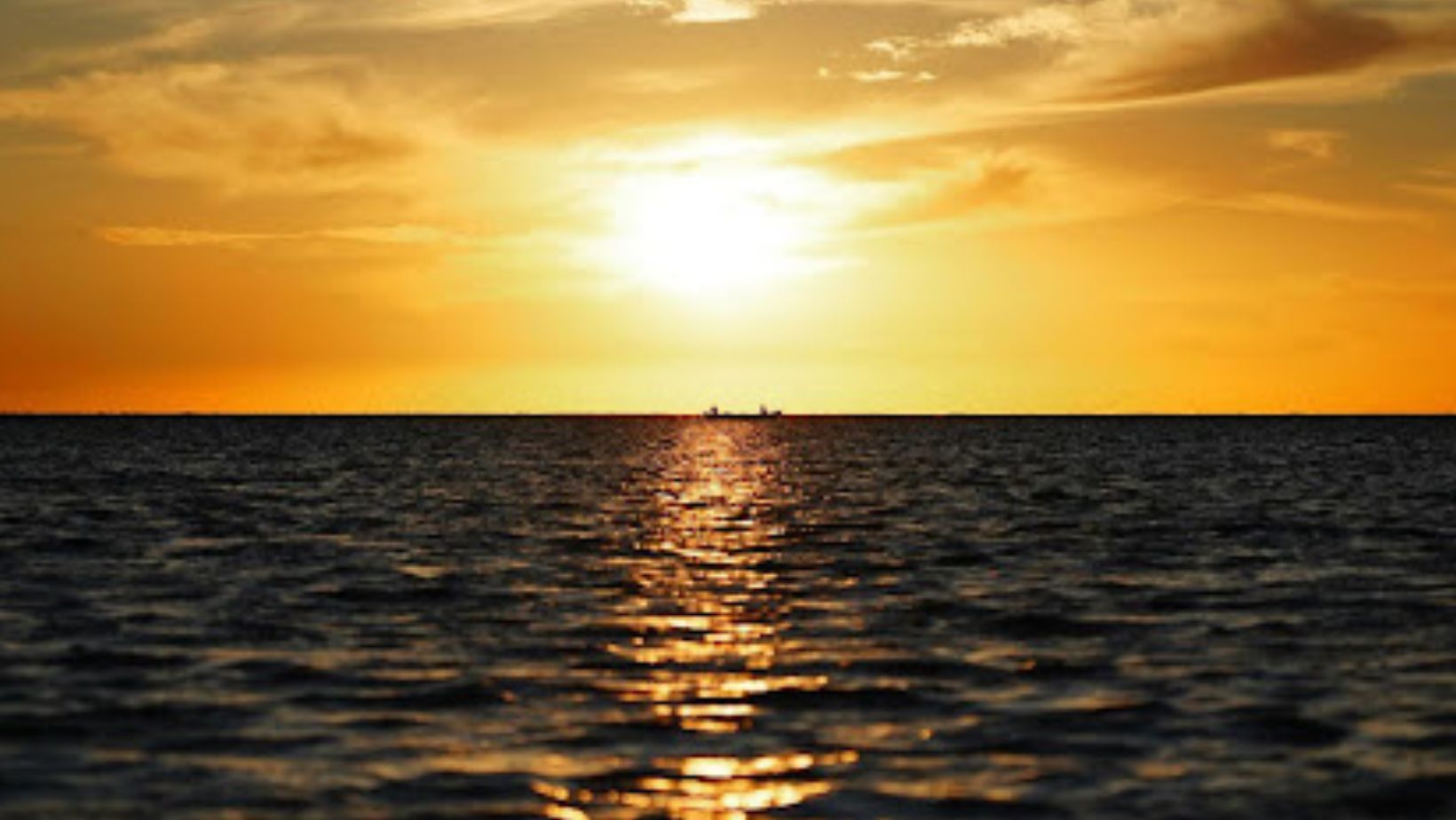
Between Sacred and Modern
The connection between Mecca and Medina carries weight beyond infrastructure, yet the train itself maintains a neutral tone. It does not amplify the significance of its route. It simply follows it.
Desert stretches between two places layered with history. Steel tracks run parallel across land that has seen caravans long before carriages. The shift from pilgrimage path to high-speed rail feels evolutionary rather than abrupt.
Stations frame the beginning and end. The journey between them remains uninterrupted.
Glass, Sand, and Sky
The architecture along this corridor feels restrained — glass, steel, pale stone. Nothing competes with the scale of the surrounding land. Even the stations seem slightly dwarfed by open sky.
From the window, the Red Sea region appears in fragments — occasional infrastructure, stretches of untouched ground, brief glimpses of settlement before the desert resumes its dominance.
Light behaves consistently here. It does not flicker. It saturates.
Movement feels horizontal and unwavering.
When the Horizon Stays Level
Later, the distinction between departure and arrival softens. The outline of one station resembles the other in memory. Sand remains constant in both directions. The vibration beneath your feet becomes more memorable than any single view.
What remains is alignment — rail against desert, platform against sky. The corridor does not resolve into spectacle. It continues.
Somewhere beyond the visible stretch of track, the land remains open. The cities remain fixed at either end. And the line between them carries steel and silence forward across the same unbroken ground.
Under a Washed-Out Sky
Toward late afternoon, the desert shifts almost imperceptibly. The brightness softens but never disappears. Sand takes on a cooler tone, and the stations seem to settle into the landscape rather than stand apart from it. Heat rises in faint distortions above the track. What felt sharp at midday becomes subdued, as if the corridor itself were exhaling.
Held by the Open Plain
Long after arrival, the memory of the route feels less like a sequence of stops and more like a continuous stretch of level ground. The cities at either end remain distinct, yet the space between them lingers more quietly — a long band of earth carrying steel in a straight, unbroken line. Somewhere beyond sight, the rails continue forward across the same pale terrain, steady and unembellished.