

Many people believe they are perfectly fine to get behind the wheel after a single serving of alcohol. There is a common cultural assumption that impairment only begins when someone feels a noticeable buzz or starts slurring their speech. However, the biological reality is that alcohol starts altering the brain almost the moment it enters the bloodstream, long before physical signs appear.
Judgment is often the first thing to go, even if a person still feels completely in control of their motor skills. Small shifts in perception can make it harder to gauge distances or notice a pedestrian stepping off a curb. These subtle changes happen quietly in the background, making it difficult for a social drinker to realize their internal baseline for safety has shifted.
The danger lies in the gap between how we feel and how we actually perform behind the wheel. Even a slight delay in braking can be the difference between a close call and a catastrophic event on the road. Because the effects of one drink seem so innocent, most people underestimate the very real drinking and driving risk associated with even minimal consumption levels.
How Alcohol Impacts the Brain Before Intoxication
The brain begins to process alcohol by slowing down the communication between neurons in the central nervous system. This process starts with the very first sip and affects the prefrontal cortex, which is responsible for executive functions and decision making. While you might not feel drunk, your ability to process multiple streams of information simultaneously is already beginning to decline.
Visual tracking also takes a hit during these early stages of consumption. It becomes slightly more difficult for the eyes to move rapidly between different points of focus, such as checking mirrors while maintaining a lane. These micro-delays in processing visual data mean that a driver might react a fraction of a second slower to a sudden brake light ahead.
Motor coordination begins to soften even if a person can still walk in a straight line without effort. Subtle tasks, like maintaining a consistent pressure on the gas pedal or making smooth steering adjustments, become less precise. These changes are often too small to notice in a living room but become glaringly obvious when navigating a complex intersection at high speeds.
Why People Misjudge Their Own Impairment
Confidence often increases as alcohol enters the system, which creates a dangerous paradox for anyone planning to drive home. This chemical boost makes people feel more capable than they actually are, leading them to dismiss small errors in their own judgment. They might believe they are driving perfectly when they are actually drifting slightly within their lane.
Familiarity bias plays a massive role in this misjudgment as well. When someone drives the same route every day, they rely on muscle memory rather than active engagement with their surroundings. They assume that because they know the turns, they can handle the trip with less focus. This creates a false sense of security that ignores the unpredictable nature of traffic.
Biological tolerance can also trick a person into thinking they are sober when their blood alcohol level is still significant. Frequent drinkers may not feel the physical symptoms of impairment as strongly as occasional ones, but their reaction times remain compromised. This internal disconnect leads to a regular pattern of risky behavior that eventually results in a preventable accident.
Legal Thresholds vs Physical Ability
The legal limit of point zero eight is often viewed as a goalpost for safety, but it is actually a relatively high bar. Many drivers assume that staying below this number means they are legally and physically fit to operate a vehicle. In reality, significant impairment in coordination and tracking occurs well before a person reaches the official legal threshold for a citation.
The law sets a standard for criminal prosecution, not a standard for safe driving behavior. Every person processes alcohol differently based on their metabolism and health, meaning a point zero four might be more dangerous for one person than another. Relying on a generic number ignores the fact that any amount of alcohol degrades the precision required for safe operation.
When a crash occurs, the fact that a driver was under the legal limit does not necessarily protect them from civil liability. Evidence of any alcohol consumption can be used to demonstrate that the driver was not acting with reasonable care. Physical ability is a sliding scale that begins to drop the moment the first drink is finished.
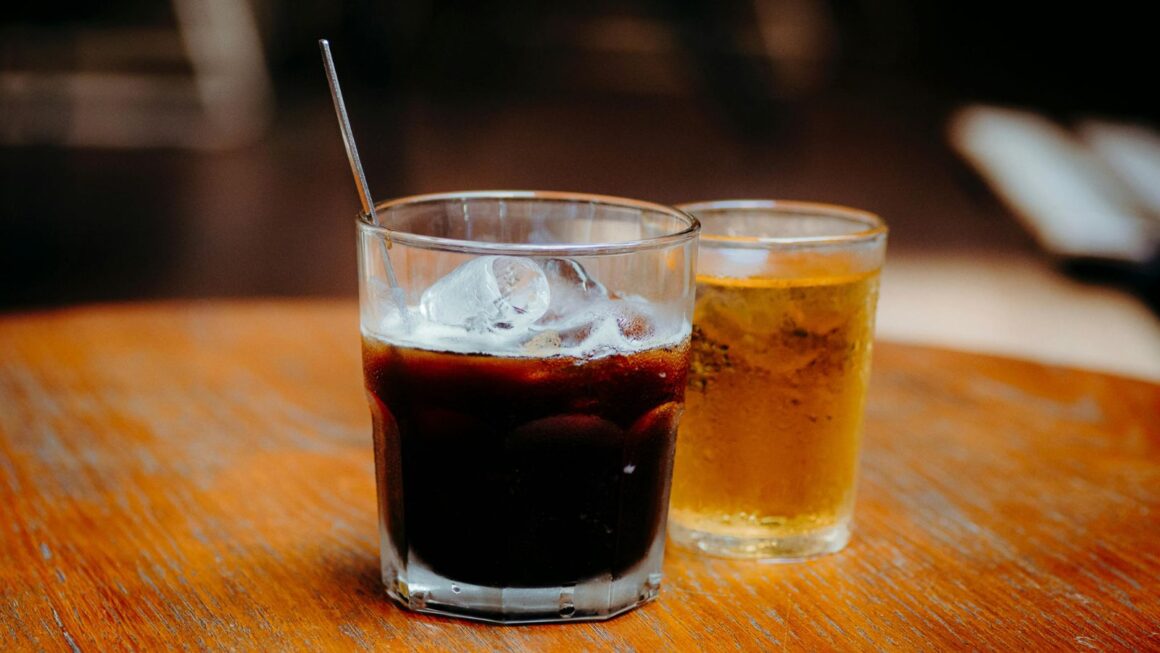
Situations Where One Drink Matters More
Context matters immensely when determining how a single drink will affect a person’s ability to drive. If someone is already exhausted after a long work week, the sedative effects of alcohol are magnified significantly. Fatigue and alcohol work together to create a level of drowsiness that is far more dangerous than either factor would be on its own.
Body composition and recent food intake also dictate how quickly alcohol reaches the brain. On an empty stomach, a single drink can cause a sharp spike in blood alcohol levels that leads to immediate impairment. Someone who is smaller or has a different metabolism will feel the effects much faster and more intensely than a larger person in the same timeframe.
Timing is the final piece of the puzzle that many people get wrong. Alcohol levels can continue to rise for quite some time after the last sip is taken as the body finishes absorption. A driver might leave a bar feeling fine only to have the full impact of that drink hit them ten minutes into their commute.
Conclusion
The idea that one drink has no impact on safety is a dangerous myth that persists in many social circles. Science shows that the cognitive and physical shifts required to increase risk happen almost immediately after consumption. Waiting for physical signs of drunkenness is a flawed strategy because by then, the ability to drive safely is already long gone.
True safety on the road requires a commitment to total sobriety before taking the wheel. Understanding that judgment is the first faculty to erode helps explain why so many people make the mistake of thinking they are fine. Small errors in perception and reaction time add up quickly when vehicles are moving at high speeds in close proximity.
Choosing to find a different way home is the only way to eliminate the uncertainty that comes with alcohol. Whether it is a rideshare or a designated driver, the cost of a ride is nothing compared to the potential consequences of a crash. Taking responsibility for your actions means acknowledging that even one drink is simply not worth the gamble.