
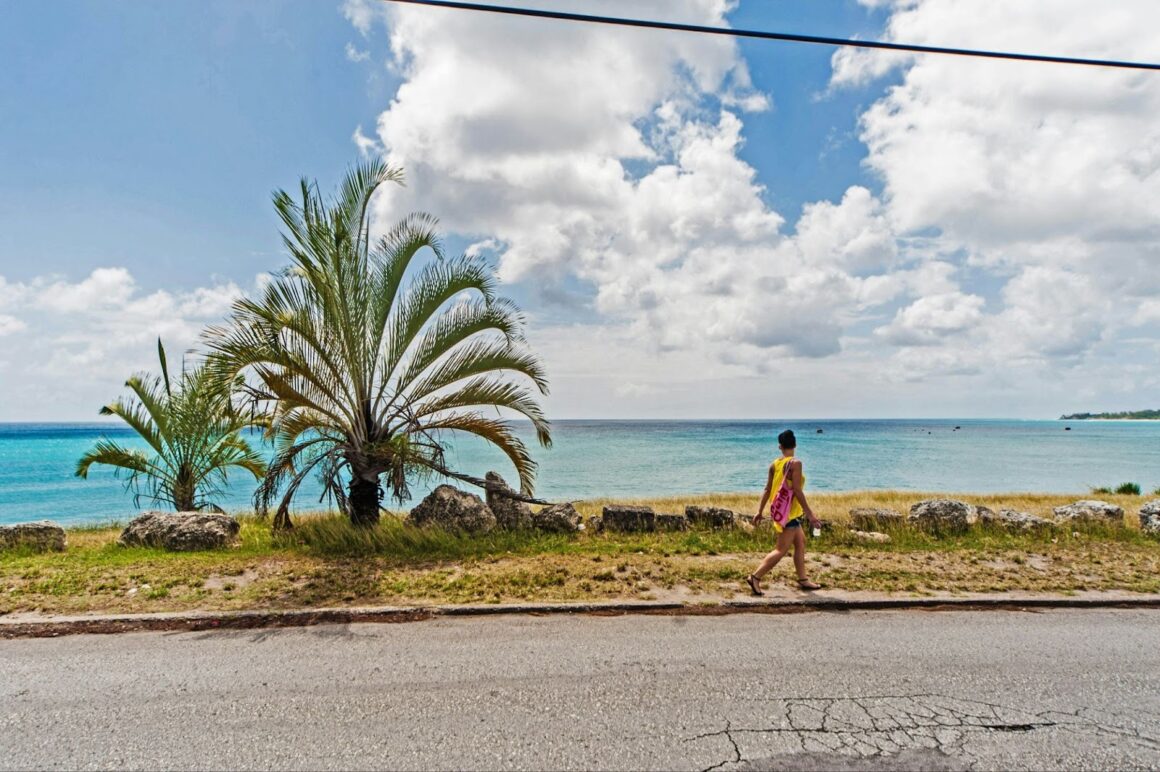
Retiring in the Caribbean appeals to many people seeking warm weather, a relaxed lifestyle, and a simpler rhythm that supports a higher quality of life.
The region boasts a range of islands, each with its own lifestyle perks, healthcare options, residency pathways, and financial benefits.
Choosing the right island involves looking at more than beaches and attractions. You need to think about health coverage, safety, access to specialists, local taxes, long-stay visas, and how well each island supports aging comfortably.
Below is a practical guide to help you compare major destinations and understand what matters when selecting your retirement base.
Key Factors That Shape Your Retirement Choice
Retirement planning in the Caribbean requires more than just choosing a scenic location. You make a better choice when you consider your long-term needs, such as these:
Healthcare access and quality
Every island approaches healthcare differently. Some maintain universal systems funded by the government, while others rely on private clinics.
Barbados, for example, offers a stable mix of public and private medical facilities, with specialists available on the island and through direct links to the US and Canada. The Turks and Caicos Islands have well-rated private hospitals, but many residents opt to fly to Miami for complex procedures.
If you have chronic health needs, you should evaluate:
- The number of specialists available in the country
- Whether the island has a medical evacuation agreement
- Travel distance to the US for advanced care
- Insurance options for expatriates and retirees
Understanding these elements prevents unwelcome surprises once you settle in.
Cost of living
Caribbean costs vary widely. Jamaica and the Dominican Republic offer lower grocery and housing expenses, while Antigua, Barbados, the Cayman Islands, and St. Kitts rank higher due to their reliance on imports, smaller markets, and stronger currencies. A retiree living on a fixed income needs a budget that accounts for utilities, transportation, and food prices, not just rent.
Local markets provide savings on produce and fish. Imported cheese, wine, and electronics raise monthly costs, especially on islands that rely heavily on shipments from Miami or Europe. You should check typical rental rates for your preferred communities because beachfront condos differ significantly from inland homes.
Residency and long-stay options
Retirement also requires legal integration into your chosen destination. Some islands offer retiree visas with clear income thresholds.
Belize requests proof of income and a commitment to remain in the country for part of the year. Barbados introduced a welcome stamp that extends digital-nomad stays, but retirees typically opt for immigrant residency programs tied to investment or long-term leases.
Saint Lucia and Antigua provide structured paths for relocation. In these jurisdictions, investments in local development or real estate allow long-term settlement, and some applicants use these routes when looking into Caribbean citizenship.
Comparing Top Islands for Long-Term Living
Each island has its own personality, infrastructure, and retirement appeal. When comparing them, focus on how each will improve your daily life.

Barbados: Strong healthcare and reliable services
Barbados attracts retirees who want stability. The island has one of the most dependable healthcare systems in the region, supported by the Queen Elizabeth Hospital, private clinics, and regional partnerships. Roads, utilities, and telecommunications rank high by Caribbean standards.
Housing costs run higher than in many islands, but the tradeoff includes strong safety records, a well-educated population, and access to cultural activities. If you prefer structure, Barbados provides it.
Dominican Republic: Affordable living and modern conveniences
The Dominican Republic appeals to retirees seeking value for their money. Its cost of living is among the lowest in the region. Private healthcare in Santo Domingo and Santiago is modern, with specialists receiving training in the US and Europe.
The island offers retirement residency with documented income, making it accessible to pensioners. Communities in Punta Cana, Las Terrenas, and Cabarete welcome expatriates and offer English-speaking medical services. The drawback is that infrastructure can vary significantly between major cities and rural towns, so selecting your location carefully is crucial.
Cayman Islands: Premium living with strong financial security
Cayman delivers safety, high living standards, and well-maintained infrastructure. It has a world-class hospital system supported by medical tourism partnerships. English is the native language, which helps with integration. However, costs are high across food, rent, and healthcare.
Retirees with steady incomes, remote work capabilities, or substantial assets find Cayman appealing due to its stable governance and predictable services. If you want comfort above all, Cayman excels.
Saint Lucia: Balanced lifestyle and natural appeal
Saint Lucia offers a mid-range cost structure. Healthcare includes private hospitals in Castries and Vieux Fort. Imported goods cost more than in the Dominican Republic, but less than in Barbados.
Retirees value the island’s community structure, quiet villages, and social stability. Those who enjoy hiking, gardening, and natural living find Saint Lucia easy to settle into.
What to Look for When Evaluating an Island
If you intend to relocate permanently, you want more than climate and scenery. Below are practical elements that should guide your decision:
Evaluate safety
Safety varies from island to island. Barbados, the Cayman Islands, and St. Kitts maintain relatively low rates of violent crime. Higher-density islands may record more incidents in specific districts.
Look for community safety data from local police reports, not broad online summaries. You should also examine hurricane patterns. The southern Caribbean, including Grenada and Trinidad, experiences lower storm frequency compared to islands in the northern belt.
Study infrastructure
Infrastructure covers power reliability, broadband speed, road conditions, and port access. Cayman and Barbados perform well. Saint Lucia and Antigua have solid networks in urban centers with fewer services in rural districts.
If you rely on telehealth, remote work, or regular travel to the US, infrastructure becomes one of your top criteria.
Understand social integration
Retirement requires community. You should consider whether the island provides clubs, volunteer opportunities, religious communities, or expatriate groups where you can connect with others. Some islands have active expat associations that help newcomers build relationships quickly.
How to Match an Island to Your Retirement Priorities
A successful retirement plan depends on aligning your expectations with the island’s strengths. Here are questions that help clarify your priorities:
- Do you need reliable access to specialists or chronic care services?
- Does your budget match the island’s typical rent and grocery prices?
- Are you planning to buy a property or rent for the first few years?
- Do you want a quiet village, a walkable town, or a more urban environment?
- Would you prefer an English-speaking island for easier integration?
Your answers shape your shortlist. For example, a retiree with a substantial pension might prioritize infrastructure and choose to live in Barbados or the Cayman Islands. Those seeking affordable and high-quality private healthcare might consider the Dominican Republic. A retiree who values a slower rhythm and natural beauty may settle in Saint Lucia or Grenada.
Choosing the Island That Truly Fits Your Retirement Goals
Retiring in the Caribbean is accessible when you make decisions based on long-term needs rather than fleeting tourist snapshots.
Each island has strengths, whether that is premium healthcare, cost-effective living, quiet communities, or reliable infrastructure. Your ideal choice depends on how you plan to spend your days, the level of medical support you require, and the budget you wish to maintain.
When you compare these practical details, you can choose a Caribbean destination that supports comfort, health, and peace of mind throughout your retirement years.